Translated with AI












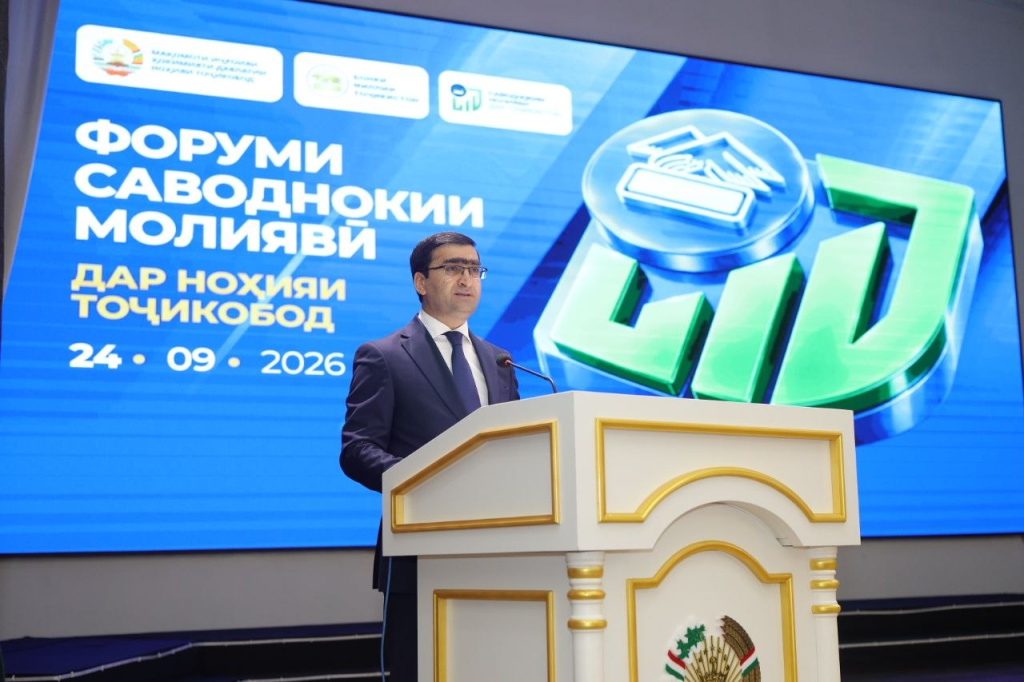




















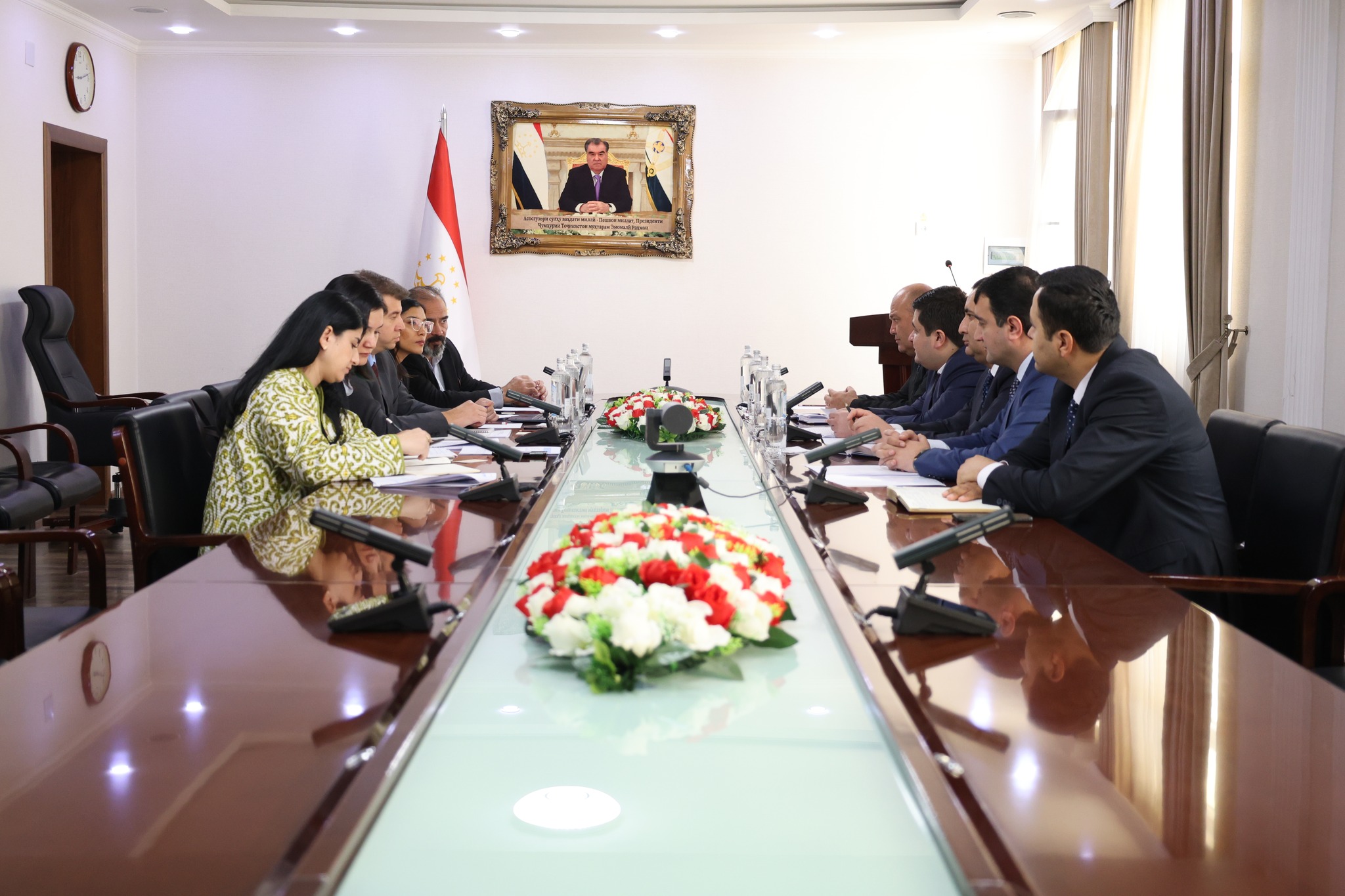
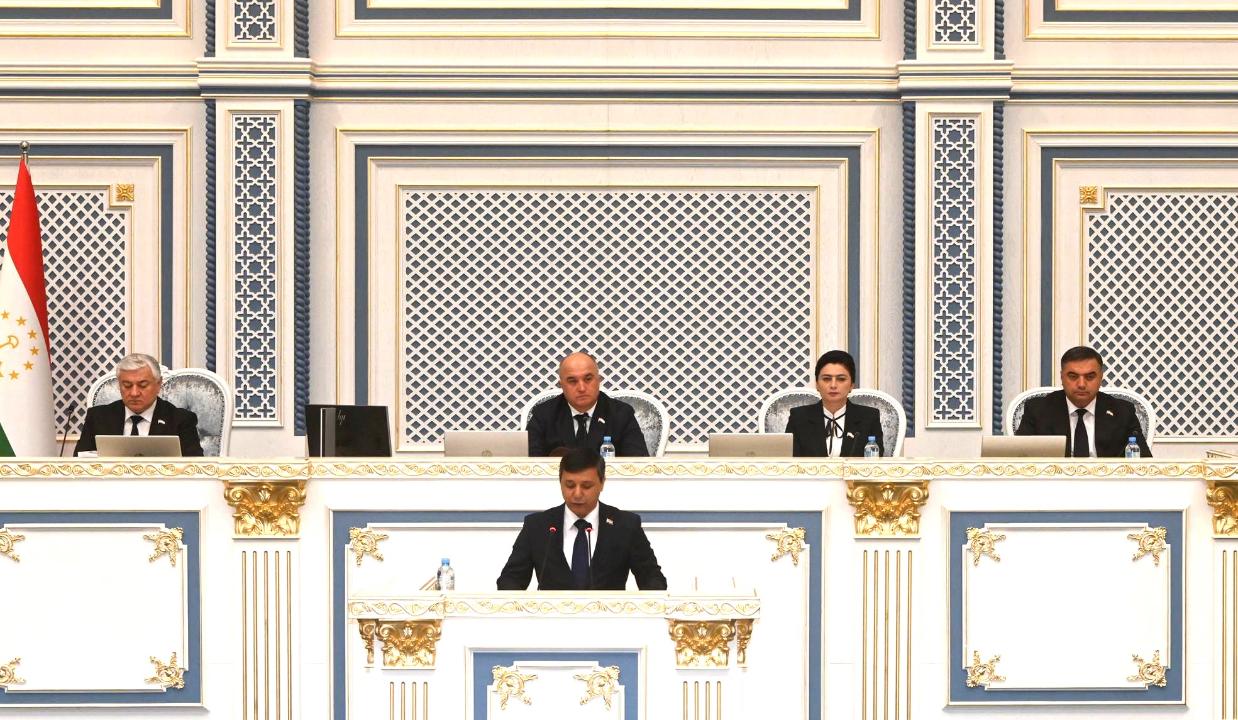
On October 14, 2025, a meeting between Deputy Ministers of Education and Science Ravshan Karimzoda and Badriddin Muzaffarzoda and the World Bank working group was held at the Ministry of Education and Science of the Republic of Tajikistan. The main topic of the meeting was expanding bilateral cooperation in education and science, according to the ministry's press service.
At the beginning of the meeting, Ravshan Karimzoda warmly welcomed the World Bank delegation and expressed confidence that the meeting would serve as an important stimulus for the further development of partnerships between the agency and the international financial institution.
It is noted that since 1993, the World Bank has been one of Tajikistan's strategic partners in implementing significant projects, particularly in education and science. During this collaboration, the organization has financed over 120 projects aimed at modernizing educational infrastructure and improving the quality of education.
A representative of the World Bank working group expressed gratitude for the warm welcome and emphasized that regular interaction between the Ministry of Education and Science of the Republic of Tajikistan and the Bank creates a solid foundation for the sustainable development of the country's education system.
The parties also noted that the World Bank is prepared to continue to actively participate in the implementation of important projects, support the Ministry's new initiatives, and collaborate to improve the quality of education and expand access to educational resources for students.
Particular attention was paid to two major ongoing World Bank projects in Tajikistan aimed at improving the quality of education, developing educational infrastructure, and increasing access to quality education for schoolchildren and students.
Deputy Minister of Education and Science Badriddin Muzaffarzoda emphasized that the country, in collaboration with development partners, including the World Bank and the Asian Development Bank, is implementing measures to improve the level and quality of education, particularly in the fields of science, technology, engineering, and mathematics (STEM). These measures include the construction of well-equipped educational institutions and strengthening the capacity of teachers, which creates a solid foundation for the development of human capital.
The meeting took place in a constructive and mutually beneficial atmosphere, with the parties confirming their readiness to further strengthen bilateral ties and expand cooperation in education and science.