Translated with AI




















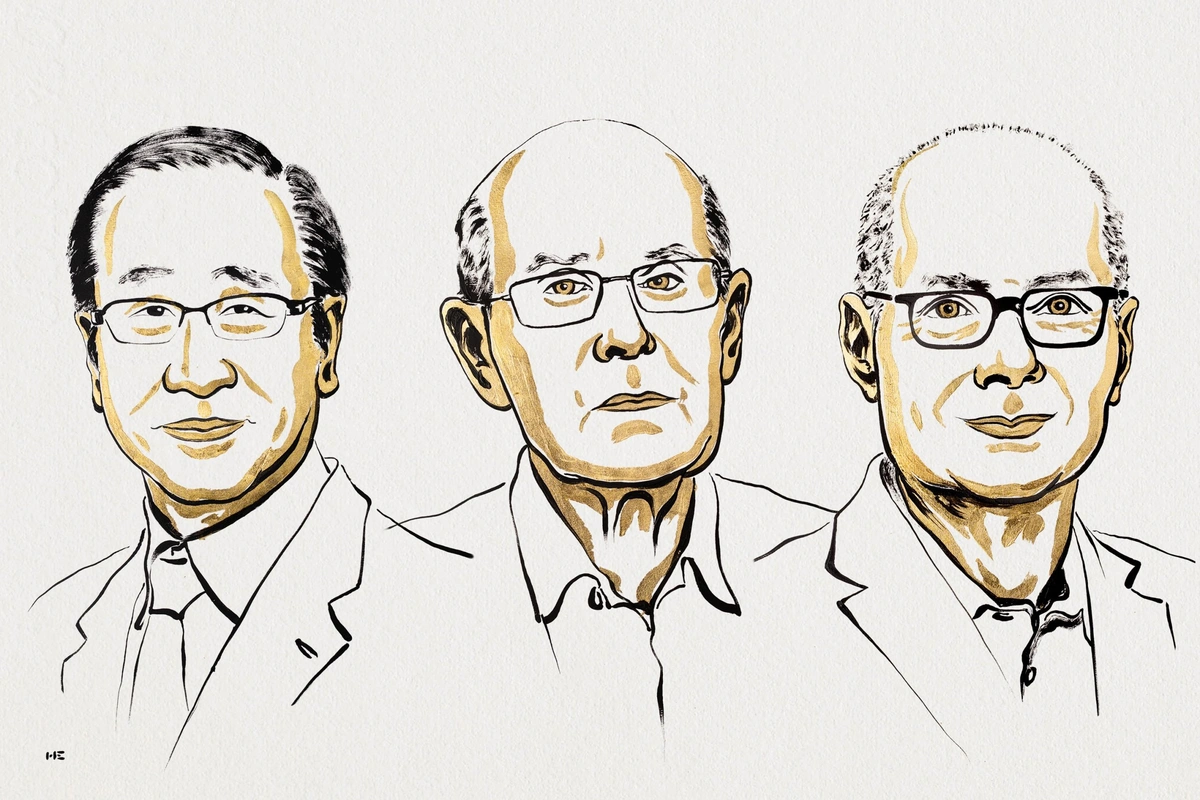
The 2025 Nobel Prize in Chemistry was awarded to Japanese scientist Susumu Kitagawa (Kyoto University), Australian chemist Richard Robson (University of Melbourne), and American researcher Omar Yaghi (University of California, Berkeley) for the development of metal-organic frameworks (MOFs).
As the Nobel Committee notes, the laureates have created a new type of molecular architecture. These metal-organic frameworks contain large cavities through which molecules can freely enter and exit. These structures are used to harvest water from the air in desert regions, extract pollutants from water, capture carbon dioxide, and store hydrogen.
"Following these groundbreaking discoveries, chemists have created tens of thousands of different MOFs. Some of them have the potential to solve some of humanity's most pressing problems, including removing PFAS (per- and polyfluoroalkyl compounds) from water, breaking down traces of pharmaceuticals in the environment, capturing carbon dioxide, and harvesting water from desert air," the Nobel Committee emphasized in a press release.
The Nobel Prize in Chemistry is awarded annually for outstanding achievements in chemistry that advance science and technology and can be applied to improve the lives of people around the world.