Translated with AI































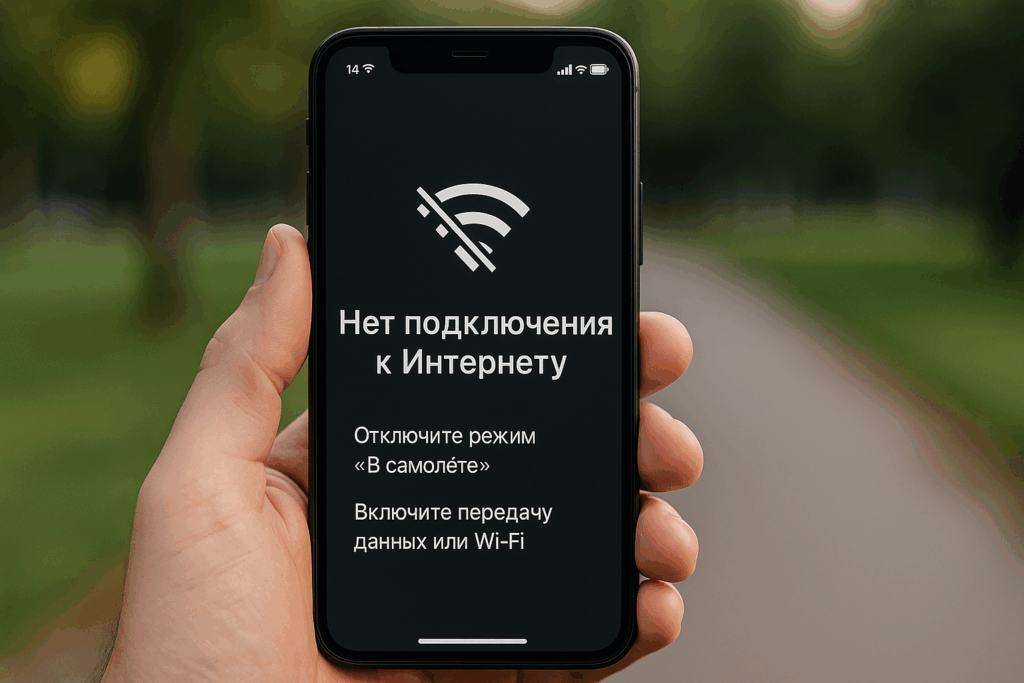
The Ministry of Digital Development, Communications, and Mass Media of the Russian Federation (Ministry of Digital Development, Communications, and Mass Media) announced the creation of a "white list" of internet resources that will remain accessible even if mobile internet is disconnected, the ministry reported.
According to the Russian Ministry of Digital Development, telecom operators are already using the list in a pilot mode. Users will be able to access approved resources without additional identification or captcha.
The list includes social networks, marketplaces, navigation services, online taxi and delivery services, supermarkets, telecom operator accounts, a remote voting platform, and the websites of the Russian president and government. Specific services included in the list include the social networks VKontakte and Odnoklassniki, the Ozon and Wildberries marketplaces, services of Sberbank, Alfa-Bank, T-Bank, Gazprombank, and the National Payment Card System, the personal accounts of the "big four" operators—MTS, MegaFon, T2, and Beeline—the Mail.ru and Zen platforms, the Avito classifieds, the Rutube and Kinopoisk video services, the 2GIS online maps, and the Magnit store website.
The list is believed to have been compiled based on the popularity of the resources, but the details of the rankings are not disclosed. The Ministry of Digital Development plans to update the list regularly.
Technically, access to the "whitelist" is provided by DPI (Deep Packet Inspection) equipment, which filters internet traffic. In Russia, such devices are called TSPU (technical means of countering threats). They can block or slow down access to individual websites and applications. For example, they were previously used to slow down YouTube and attempted to restrict access to Telegram in 2018.
The Ministry of Digital Development did not specify the regulatory framework on which the "white list" is based, but experts speculate that it is the Russian President's Decree No. 757 of October 19, 2022, on the introduction of a basic readiness level designed to meet the needs of the Armed Forces and other military formations.
Cyber lawyer Sarkis Darbinyan notes that the decree continues the practice established during the COVID-19 pandemic, when regional headquarters, with the participation of law enforcement agencies, regulated internet access. He argues that "whitelists" allow users to access information, but do not guarantee high-speed internet, as is the case in some European countries.
In the summer of 2025, Russia experienced mobile internet outages, which authorities attributed to the need to repel attacks by Ukrainian drones. Since May, the outages have affected all regions of the country, complicating delivery services, mobile operators, and citizens' daily activities.