Translated with AI
























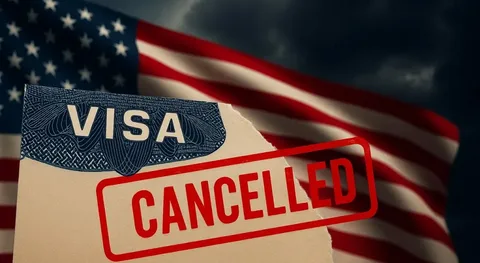
The Trump administration is introducing new rules for nonimmigrant visa applicants that could make it more difficult or even impossible for them to seek asylum in the country.
According to The Washington Post, the US State Department has issued instructions to embassies and consulates on how to handle applicants for non-immigrant visas, including tourist, business, and student categories.
According to the new requirements, diplomatic missions are required to directly ask applicants whether they fear returning to their home country and to record whether they have potential grounds for seeking asylum. It is noted that, in combination with other administration measures, this could be used as a screening mechanism to identify and screen potential asylum seekers during the consular interview.
The issue concerns a further tightening of already limited channels for legal migration to the United States. The Trump administration previously imposed pauses on immigrant visa applications for several countries, as well as suspended asylum applications and visas for Afghan citizens, citing these measures as part of its policy of restricting migration from "third countries."
Against this backdrop, the new rules for non-immigrant visas are seen as part of a general policy aimed at maximally restricting both illegal and formally legal migration, including those seeking protection through the asylum mechanism.
It is noted that this change does not abolish the legal right to asylum, but it does create additional barriers at the visa application stage. Applicants who declare a fear of persecution may face visa denial, while concealing this information may lead to charges of visa violation.
Human rights organizations and immigration lawyers interviewed by the publication warn that such measures could exacerbate the so-called "migration limbo"—a situation in which people find themselves between countries without clear legal protection or prospects.