Translated with AI
































One of the reasons for the poor quality of mobile internet in Tajikistan is the sharp increase in traffic consumption, the country's Communications Service reports based on its 2025 performance.
According to the agency, average internet consumption per user has increased tenfold over the past five years—from 3 to 30 gigabytes, resulting in excessive load on base stations. Currently, the total number of mobile and fixed-line internet users in the country stands at 5.2 million, up from 4.5 million the year before. Of these, 5.1 million are mobile internet subscribers.
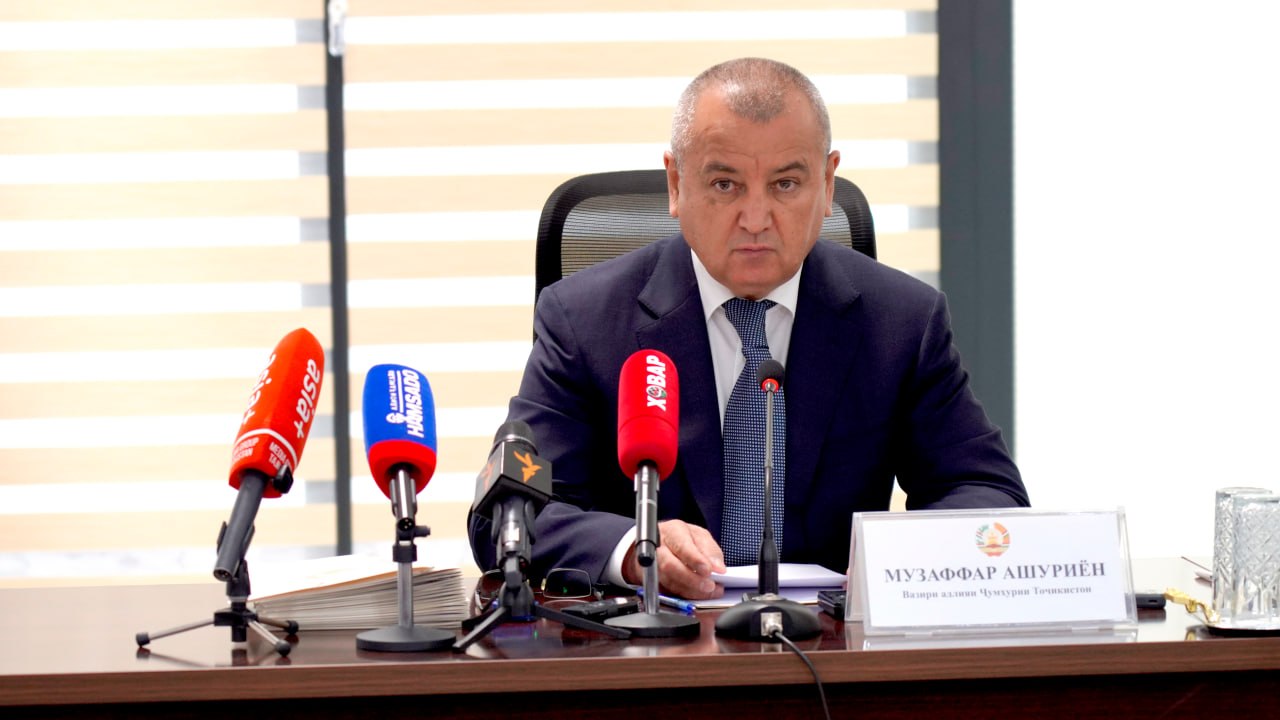
Isfandiyor Sadullo, Head of the Communications Service, announced that Tajikistan's population will fully transition to fifth-generation internet (5G) by 2030. The country has approved a plan for installing 5G base stations for 2026–2030. According to the plan, the fifth-generation network will be deployed in all 65 cities and districts of the country, with the participation of mobile operators.
The phased expansion of population coverage is planned as follows:
by the end of 2026 – at least 15%;
by the end of 2027 – at least 35%;
by the end of 2028 – at least 50%;
by the end of 2029 – at least 75%;
by the end of 2030 – 100% of the country's population.
Currently, 84 5G base stations are operational in Tajikistan: 77 in Dushanbe, one each in Rogun and Khorog, two in Bokhtar, and three in Khujand. Despite this, residents continue to complain about poor mobile internet quality.
At the same time, as the head of the Communications Service stated, fixed-line internet speeds were increased from 30 Mbps to over 40 Mbps in 2025. In the next two years, wired internet speeds are planned to increase to 100 Mbps.