Translated with AI
































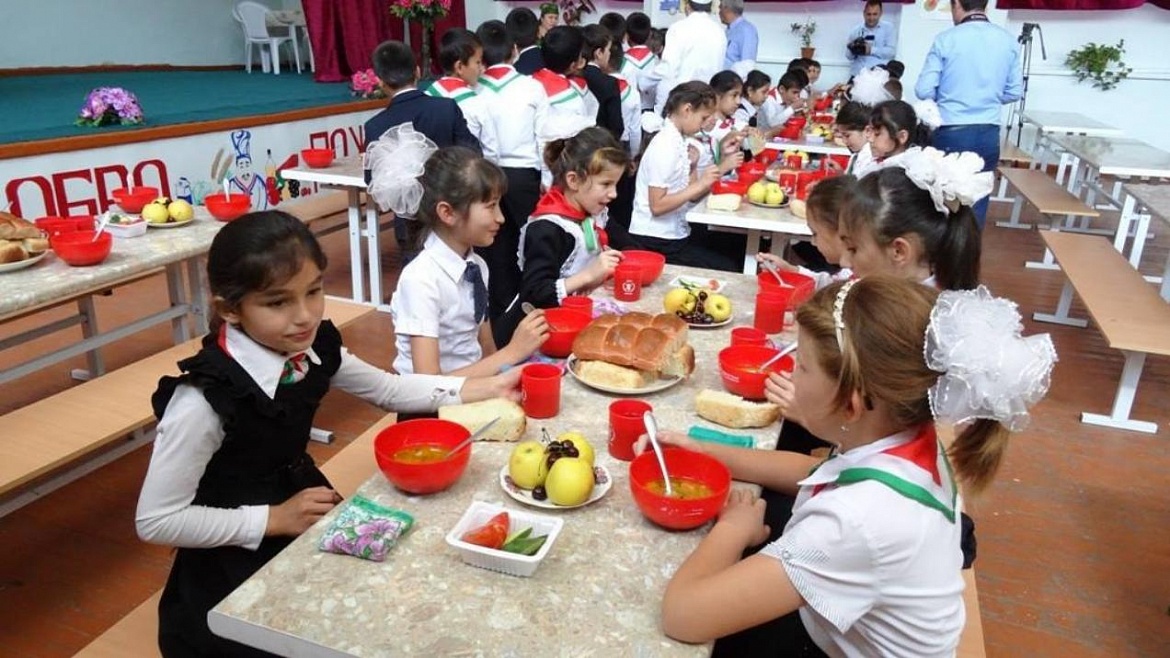
The World Health Organization (WHO) has published its first global recommendations for healthy and balanced meals in schools. In the new guidelines, the organization emphasizes that school meals play a key role in developing healthy eating habits in children that last a lifetime, according to the UN press service.
“The food children receive at school and the environment that shapes their eating behaviour can significantly impact the quality of their learning and have long-term consequences for their health and well-being,” said WHO Director-General Tedros Adhanom Ghebreyesus.
According to the organization, rates of overweight and obesity among children are rising worldwide, while undernutrition remains a persistent problem. In 2025, childhood obesity exceeded underweight for the first time. Last year, approximately one in ten schoolchildren was obese, and one in five, or 391 million children and adolescents, were overweight.
Furthermore, over 800 million people worldwide and one in six pregnant women suffer from diabetes. These data highlight the importance of introducing healthy eating programs into the school environment.
As of October 2025, 104 WHO Member States had implemented policies related to healthy school meals, but only 48 countries had introduced restrictions on the marketing of foods high in sugar, salt or unhealthy fats.
For millions of children who spend a significant portion of their day at school, the school food environment shapes their future eating habits. "Proper nutrition at school is a key factor in preventing future diseases and developing a healthier adult population," the WHO chief emphasized.
The WHO recommends increasing the availability of healthy foods and beverages to children while reducing the amount of unhealthy ones. Specifically, the organization recommends reducing sugar, trans fats, and salt and increasing the proportion of whole grains, fruits, nuts, and legumes.
To implement the new dietary guidelines, the World Health Organization will provide countries with technical assistance, knowledge sharing, and other forms of collaboration aimed at improving the health of schoolchildren and preventing chronic diseases.