Translated with AI































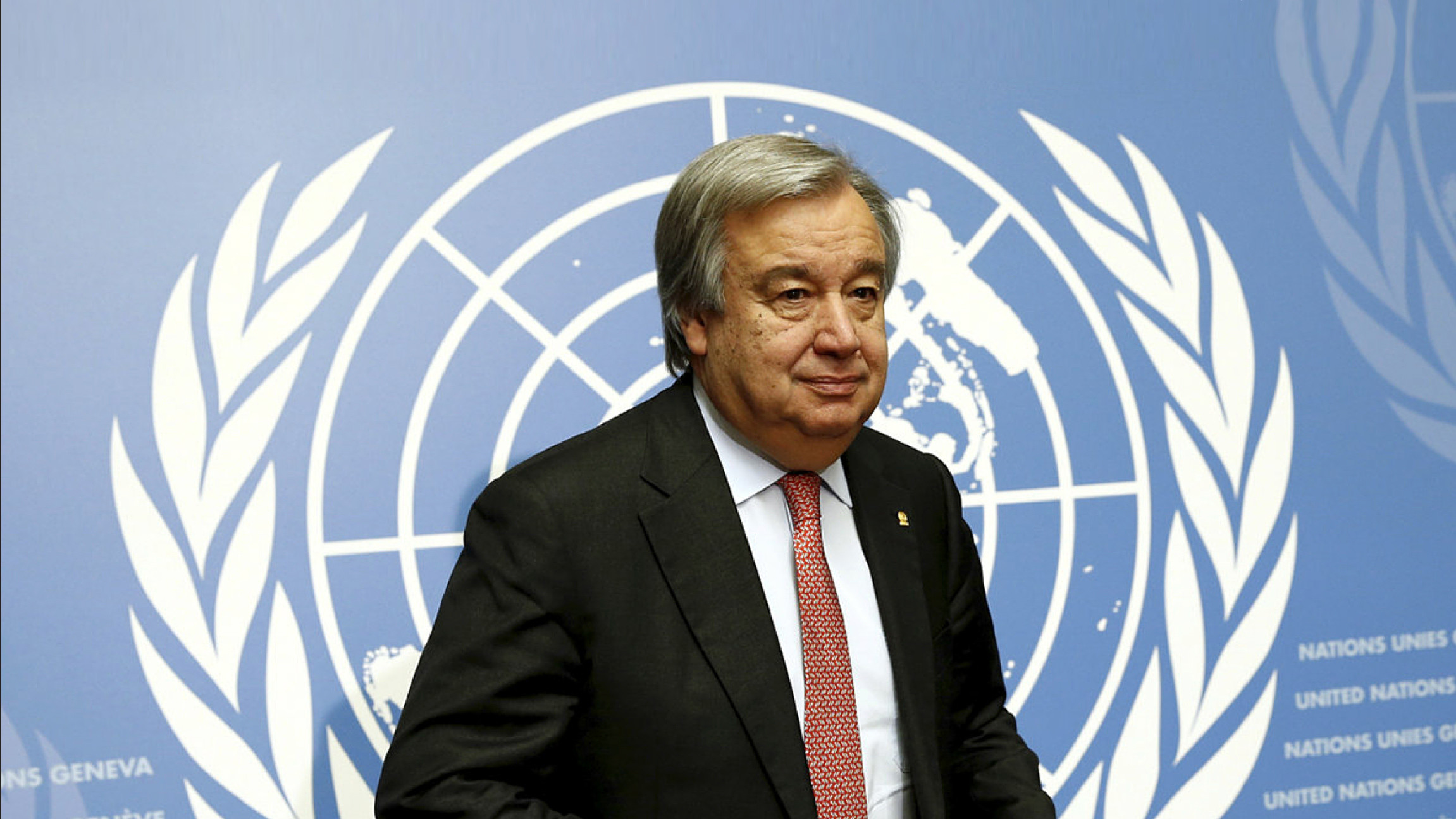
At a press conference in New York, United Nations Secretary-General António Guterres presented the Organization's priorities for 2026, his final year as UN chief. This was reported by the Organization's press service.
According to Guterres, the current stage of international relations is characterized by chaos and uncertainty. "The law of force prevails over the force of law," he noted, pointing to threats to international stability arising from impunity, geopolitical divisions, and attacks on multilateral institutions.
The Secretary-General emphasized that impunity has become the driving force behind modern conflicts, fueling escalation, increasing mistrust, and creating space for destructive forces to operate.
Guterres paid special attention to the global humanitarian situation. He pointed to the decline in humanitarian funding, which is triggering a "chain reaction" of despair, displacement, and death. High levels of global inequality also persist, the climate crisis is worsening, and the lack of restrictions on new technologies is threatening stability.
The Secretary-General noted that mechanisms for solving global problems are outdated, the world is changing rapidly, the economic influence of developing countries is growing, and South-South trade is outpacing traditional North-North flows.
According to Guterres, global problems cannot be resolved by a single power or two competing countries seeking to divide the world into spheres of influence. He emphasized the need to develop multipolarity based on partnership, but noted that multipolarity without effective multilateral institutions does not guarantee stability.
The Secretary-General confirmed that the key areas of the UN's work in 2026 will be maintaining a just and stable world, reforming the Security Council, combating climate change, developing a system of global governance for artificial intelligence, and achieving the Sustainable Development Goals.
Guterres addressed the situation in Gaza separately. He emphasized that the UN Security Council retains primary responsibility for maintaining peace. Despite the ceasefire, fighting continues, albeit on a smaller scale. The Secretary-General called for a comprehensive ceasefire, the withdrawal of Israeli forces, the disarmament of armed groups, and the implementation of the two-state solution.
The Secretary-General emphasized that no other body or coalition can replace the Security Council, which has a mandate enshrined in the UN Charter and the authority to make binding decisions on peace and security. This is why, he said, Security Council reform is crucial, despite criticism from individual states.