Translated with AI



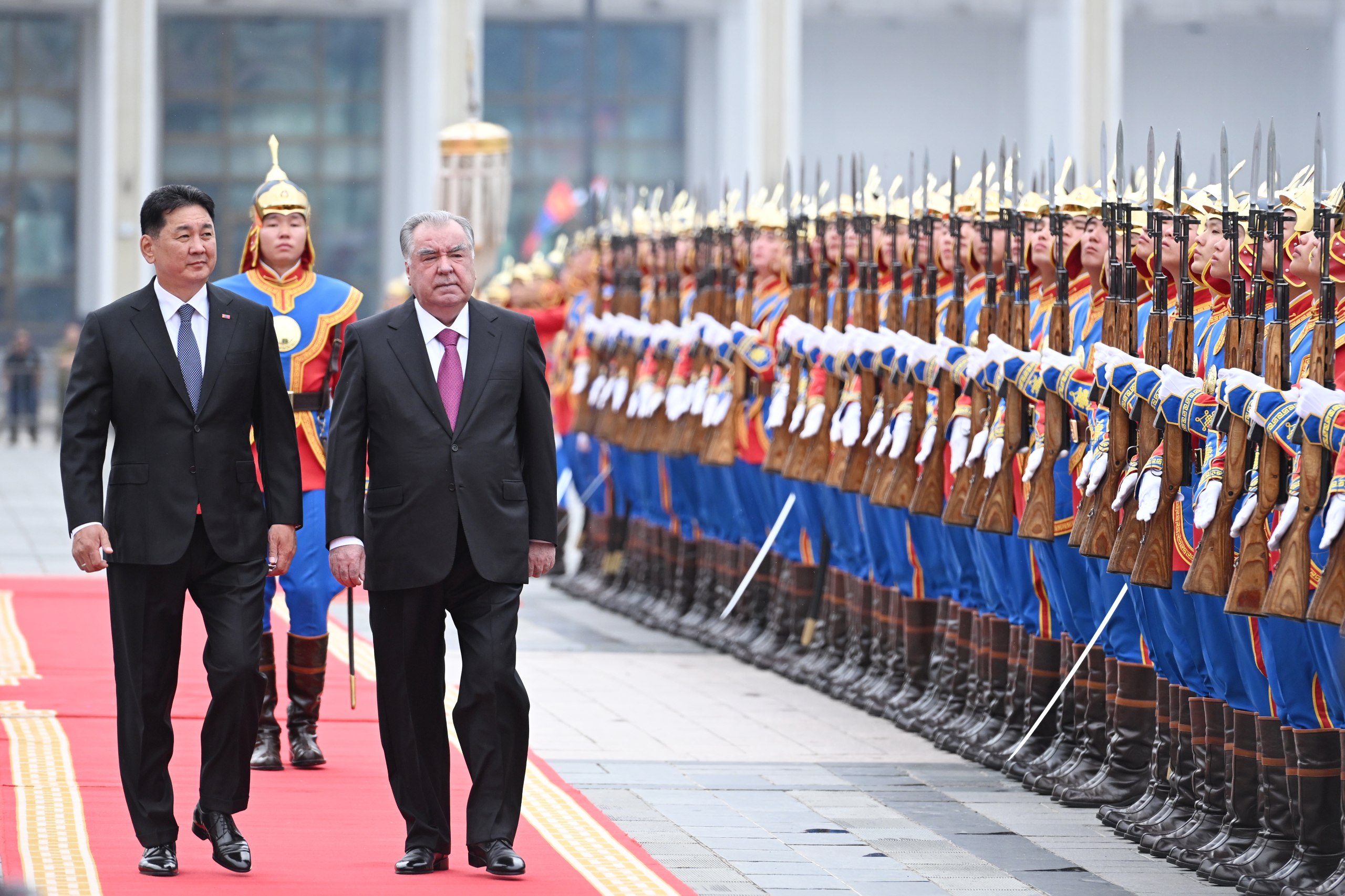











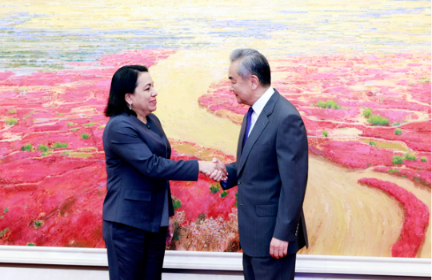





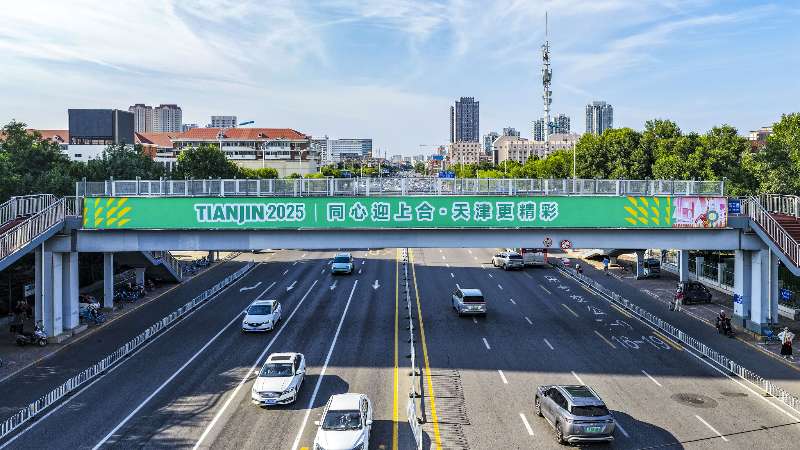
The SCO summit, chaired by China, will take place from August 31 to September 1 in Tianjin, China. During this period, more than 20 heads of state and leaders of 10 international organizations will gather on the banks of the Haihe River. The upcoming summit will be the culmination of China's tenure as chair and the largest in the organization's history.
Today, the SCO represents over 40% of the world's population, approximately 30% of global GDP, 10 member states, two observer countries, and 14 dialogue partners. The Organization's role, areas of responsibility, and functions have constantly evolved and changed over the years, but have remained firmly rooted in the principles of mutually beneficial cooperation, serving as a model for the formation of a new type of regional and international relations. Born at the turn of the century, the SCO has come a long way from a forum for dialogue on border security issues to one of the most influential multilateral cooperation platforms on the Eurasian continent.
Expanding Functions: From Security to Comprehensive Development in the Economy and Humanitarian Spheres
Responding to changes in the regional situation and growing demands for cooperation, the SCO gradually expanded its scope of activities, shifting from issues related solely to security to economic and humanitarian matters. This has created a model of harmonious interaction in which security, economics, and humanitarian aspects complement and reinforce each other. In the economic sphere, member states have signed a number of agreements and implemented practical projects in energy, transport, and agriculture. The China-Kazakhstan oil pipeline and the Central Asia-China gas pipelines have ensured a mutually beneficial energy partnership. The construction of highways and railways has created reliable transport links between regions. The exchange of agricultural technologies and the development of trade have accelerated modernization. In the humanitarian sphere, the SCO has created a platform for dialogue among civilizations through a variety of events, such as the Year of Culture, arts festivals, and sporting competitions. The expansion of student exchange programs and joint educational projects has enabled the training of specialists with a broad international outlook and intercultural competencies.
These initiatives laid the intellectual foundation for the long-term development of the Organization, promoted intercivilizational dialogue, and fully embodied the principles of the Shanghai Spirit – respect for the diversity of civilizations and the desire for joint development.
Growing International Influence: The SCO's Contribution to Addressing Global Challenges
In a complex and constantly changing international environment, the SCO's role and responsibility on the global stage are steadily growing. In the area of security, the Organization promotes a comprehensive and sustainable concept based on shared contributions and efforts, contributing to the transformation of the current international system. In the face of global challenges such as climate change, food security, and health threats, member states work closely together, leveraging their strengths to find joint solutions. The expansion of the SCO's membership clearly demonstrates its growing influence: India and Pakistan joined in 2017, and Belarus will join in 2024. This makes the SCO one of the largest regional international organizations, with the largest territory and population, providing additional resources and opportunities to address both regional and global issues.
Building a Common Home for the SCO: China's Contribution
As a founding member of the SCO, China has consistently accorded the Organization a particularly important place in its foreign policy. The Chinese-proposed "Global Development Initiative," "Global Security Initiative," and "Global Civilization Initiative" are fully consistent with the principles of the "Shanghai Spirit," based on mutual trust, mutual benefit, equality, consultation, respect for the diversity of civilizations, and the pursuit of common development. These initiatives enrich the Organization's conceptual foundation and represent China's approaches to strengthening the SCO's role in global governance across three dimensions: development, security, and civilization.
At the 2024 Astana Summit, Chinese President Xi Jinping put forward five proposals for building a common home for the SCO, founded on the principles of cohesion and trust, peace and stability, prosperity and development, good-neighborliness and friendship, and justice and equality. These initiatives defined the Organization's development vector in the new context, receiving widespread recognition and enthusiastic response from its participants.
"Knowledge is the beginning of action, and action is the end of knowledge." China is not only an active theorist of the "Shanghai Spirit" but also consistently implements its proposed concepts in practice. In the security sphere, China, together with other members, promotes reforms and innovations in decision-making mechanisms, cooperation models, and the work of the SCO's permanent bodies. The parties are actively negotiating the establishment of a Comprehensive Center for Countering Security Threats and Challenges, an Information Security Center, a Center for Combating Transnational Organized Crime, and an Anti-Drug Center. The establishment of these structures will give additional impetus to cooperation in law enforcement and shape a new regional security architecture.
In the economic sphere, China is actively promoting the integration of the Belt and Road Initiative with the national development strategies of SCO countries. Significant projects have been implemented, including the "China-SCO Regional Trade and Economic Cooperation Demonstration Zone" and the "SCO Agricultural Technology Exchange Demonstration Base." In 2024, China's trade turnover with SCO member states, observer states, and dialogue partners reached a record $890 billion. Furthermore, China is expanding cooperation in scientific, technical, and humanitarian spheres, thereby strengthening public support for the SCO's development.
Today, the world is facing unprecedented changes, unseen in the last hundred years, and is entering a new era of turbulence and transformation. On the one hand, the unwavering historical trend toward peace, development, cooperation, and mutual benefit is gaining momentum – the "Global South" is gaining increasing influence, playing a key role in human progress, contributing to the accelerated formation of a multipolar international order. On the other hand, certain countries, seeking to maintain unipolar hegemony, are openly promoting the "nation first" doctrine. Military-political blocs are being created, confrontation is fueled, and attempts are being made to replace the post-war world order enshrined in the UN Charter with pseudo-rules.
As the ancient Chinese proverb goes, "On the right path, we jointly achieve great goals" profoundly reveals the truth of cooperation and mutual benefit. On the threshold of its 25th anniversary, the SCO is entering a new era of development and offers its contribution to creating a more harmonious, prosperous, and just world.