Translated with AI























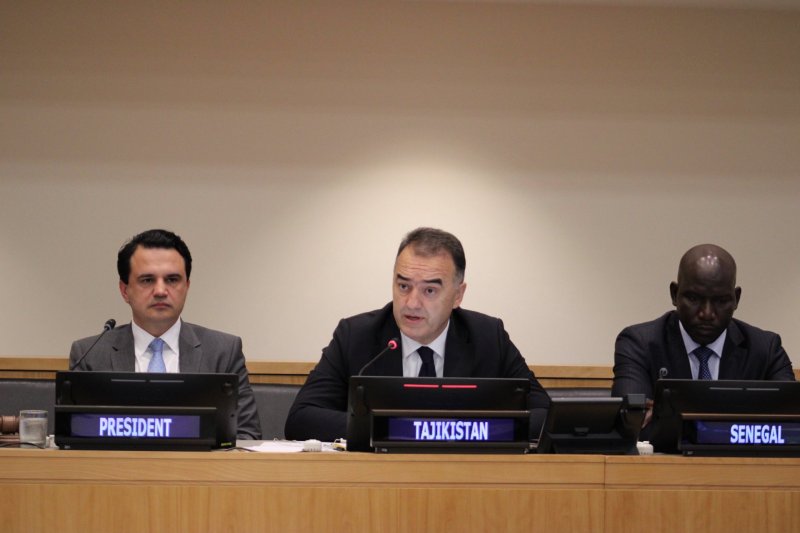
Tajikistan's Minister of Energy and Water Resources, Daler Juma, stated that the consequences of climate change for the country are already a reality and directly impact water security. He made this statement on September 5 at a special high-level meeting, "Ensuring Water and Sanitation for Every Child," at the UN headquarters in New York. This was reported by the Ministry of Economic Development and Trade of Tajikistan.
The meeting was held as part of Tajikistan's chairmanship of the Executive Board of the United Nations Children's Fund (UNICEF). Tajikistan's Permanent Representative to the UN, Jonibek Hikmat, opened the meeting, emphasizing that access to water and sanitation is a fundamental human right, particularly for the health and well-being of children.
According to Daler Juma, Tajikistan's glaciers, which account for up to 60% of Central Asia's river runoff, are rapidly shrinking. This leads to water shortages in some periods and devastating floods and mudflows in others.
"Rising temperatures are deteriorating the quality of drinking water and increasing sanitary risks. Extreme weather events are destroying infrastructure, the average age of which exceeds 40-50 years. The first to feel the consequences are vulnerable groups—residents of rural and mountainous areas, where only about 22% of the population has access to centralized water supply," the minister noted.
He added that, in collaboration with UNICEF and partners, more than 200 schools and dozens of medical facilities in Tajikistan have already been provided with modern sanitation facilities and reliable water supply systems, which has reduced the risk of disease and improved the health of children and families.
The meeting was a key event of Tajikistan's UNICEF chairmanship and aimed to attract international attention and resources to water security and sanitation issues, particularly in the context of protecting children's interests.