Translated with AI










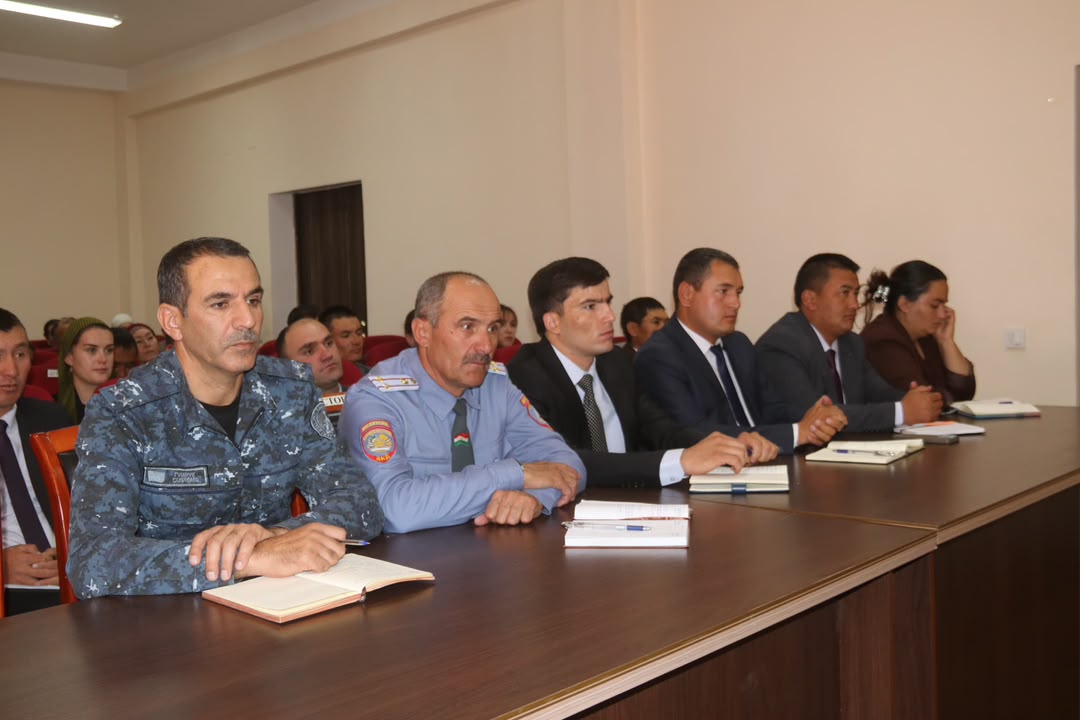



















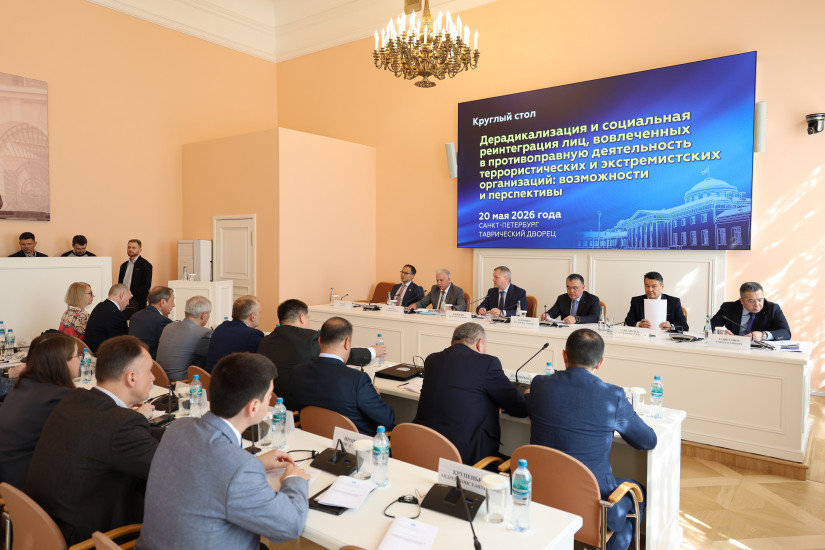
An international roundtable discussion on deradicalization and the return to normal life of individuals previously involved in terrorist and extremist activities was held at the headquarters of the CIS Interparliamentary Assembly, according to the press service of the CIS Executive Committee.
The main topic of discussion was the development of clear mechanisms for returning individuals who have served their sentences or returned from armed conflict zones to law-abiding life.
The meeting participants paid special attention to the need for an individual approach to such people, as well as the importance of comprehensive psychological, educational, and professional rehabilitation with the participation of civil society institutions.
The event was organized by the CIS Interparliamentary Assembly and the CIS Basic Organization for the Study of Countering Terrorism and Other Manifestations of Extremism. The roundtable was moderated by Alexey Maruyev, head of the Basic Organization.
The discussion was attended by parliamentarians, representatives of relevant ministries and agencies, scientists from the CIS and other countries, and experts from international organizations.
Dmitry Kobitsky, Secretary General of the CIS IPA Council, addressed the participants with a welcoming speech. He emphasized that, in today's environment, force alone is insufficient to combat radicalization.
According to him, well-thought-out legal mechanisms and humanitarian instruments are needed that will not only isolate those who hold radical ideology, but also return them to a full life in society, creating a lasting rejection of extremism and terrorism.
Dmitry Kobitsky also recalled that the UN has identified rehabilitation and reintegration issues as a key international priority, and called on participants to develop specific mechanisms for further cooperation.
A separate block of presentations was devoted to issues of preventing the involvement of minors in destructive groups, strengthening civic identity as a factor in reducing the risk of radicalization, and developing extremism prevention in the educational environment.
The speakers noted that effective deradicalization models must be built on a comprehensive foundation—from screening and individual diagnostics to comprehensive psychological, educational, and vocational rehabilitation.
The meeting also discussed the use of digital technologies to assess the risks of radicalization, the spread of destructive content online, and the prospects for increasing accountability for extremist crimes in the context of global digitalization.
Following the roundtable discussion, participants discussed the Concept of the draft Recommendations for the implementation of deradicalization measures and the promotion of social reintegration.
The meeting participants agreed that working with individuals returning from armed conflict zones requires an individual and innovative approach, and that deradicalization efforts should become an independent area of state policy.
Speakers and experts expressed confidence that the approaches developed during the discussion will help strengthen collective security in the CIS.