Translated with AI























In addition, the EU has finally approved a 90 billion euro loan to Ukraine.
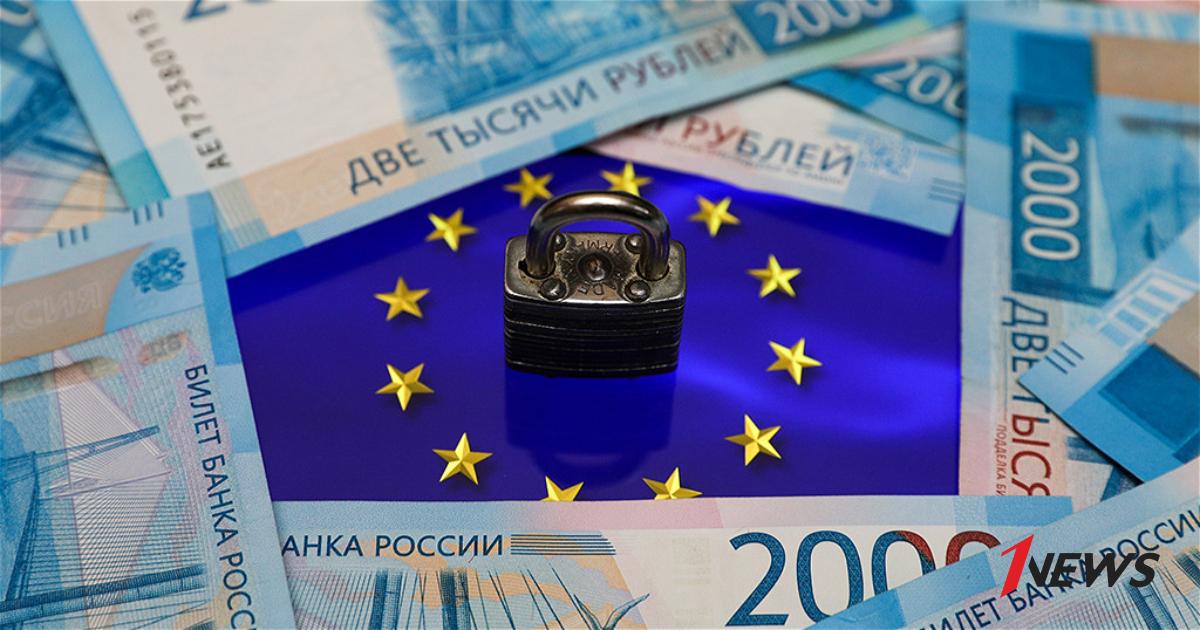
What is included in the 20th package of EU sanctions against Russia?
Restrictions in the oil and gas sector:
— A complete ban on the provision of maritime services for Russian oil and petroleum products has been agreed upon, but the decision to introduce it will only be made after coordination with the G7
— From April 25, 2026, a ban on services—technical, financial, and brokerage—will be introduced for icebreakers and LNG tankers under the Russian flag.
— From January 1, 2027, a ban on services for foreign-owned icebreakers and LNG tankers operating in Russia will be introduced—
It is prohibited to directly or indirectly provide LNG terminal services to Russian entities that are more than 50% controlled by a Russian citizen or a legal entity located in Russia.
Restrictions on ports and "shadow fleet":
— Transactions with the Indonesian oil port of Karimun, as well as with two Russian ports – Murmansk and Tuapse – are prohibited.
— 46 vessels of the Russian “shadow fleet” are being added to the sanctions list, bringing their total number to over 600.
— A ban is being introduced on the direct and indirect sale of tankers to Russian entities; any sale must include a condition prohibiting their resale or use in Russia.
Freezing of assets:
— 120 individuals and legal entities have been added to the sanctions list, which includes travel bans, transaction bans, and asset freezes.
— 56 inclusions are related to the military-industrial complex, including 17 in third countries – China, the UAE, Belarus and the countries of Central Asia
— 36 inclusions concern Russian energy and the “shadow fleet”
New sanctions related to Russian oil:
— Seven oil refineries: Tuapse, Komsomolsk, Angarsk, Achinsk, Ryazan, Afipsk and the Lukoil plant in Usinsk
— Two oil producers: Bashneft and Slavneft
— UAE companies associated with the “shadow fleet,” as well as subsidiaries of Rosneft and Gazprom
Prohibitions on cryptocurrencies, banks, and sanctions evasion:
— The European Union bans operations with the RUBx cryptocurrency and any EU support for the development of a digital ruble.
— Sanctions against a Kyrgyz crypto platform linked to the A7A5 stablecoin.
— A ban on transactions with another 20 Russian banks, as well as with credit institutions in third countries, is being introduced.
— The measures affect structures in Kyrgyzstan, Laos, Azerbaijan, and Armenia.
— Kyrgyzstan becomes the first country to be subject to the anti-sanctions evasion mechanism: a ban on the supply of machine tools and telecom equipment
New prohibitions related to expropriations and legal claims:
— The EU will be able to ban business with non-EU companies that help enforce Russian court decisions.
— The possibility of blocking transactions with companies benefiting from the expropriation of EU assets is being introduced
Ban on import of metals and chemical materials:
— Metals: nickel rods, iron ores and concentrates, copper, aluminum and scrap metal— Materials: salt, ammonia, pebbles, silicon, fur