Translated with AI
































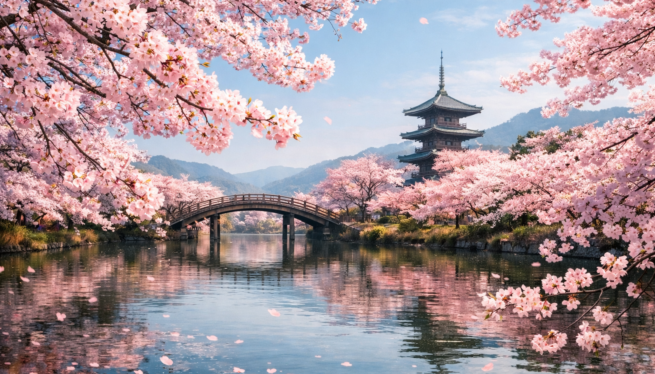
Authorities in the Japanese city of Fujiyoshida, located at the northern foot of Mount Fuji, have cancelled the traditional cherry blossom festival in 2026. The decision was made due to the excessive influx of tourists and their inappropriate behavior, which, according to the municipality, is causing serious inconvenience to local residents and threatening the city's tranquility, according to the BBC.
According to city authorities, Fujiyoshida experienced massive traffic congestion during the festival. Streets were heavily congested, and garbage problems became increasingly severe. Residents also complained of numerous instances of tourists trespassing on private property, including instances of visitors entering private gardens and using them as toilets.
The town of Fujiyoshida is popular with tourists for its picturesque views: it offers panoramic views of Mount Fuji, and during cherry blossom season, you can see the blossoming trees against the mountain backdrop. Arakurayama Sengen Park, with its views of the town and Mount Fuji, is particularly popular, as is the pagoda located there, considered one of the most photographed sites.
Mayor Shigeru Horiyuchi stated that the influx of tourists had begun to threaten "the peaceful lives of the city's residents." He described the authorities as experiencing a "very serious crisis." "To protect the dignity and living conditions of our citizens, we have decided not to hold the festival, which has been held for the past 10 years," he emphasized.
The Fujiyoshida Cherry Blossom Festival began ten years ago, in April 2016. At the time, city officials announced an invitation to tourists to Arakurayama Sengen Park, hoping to boost the area's tourist appeal and create a "lively atmosphere" in the city.
However, as municipal officials note, the number of visitors has increased sharply in recent years, exceeding the city's capacity to accommodate tourists. The massive influx of tourists has begun to have a significant negative impact on the lives of local residents.
According to city authorities, around 10,000 tourists were in Fujiyoshida at any one time during the peak cherry blossom season. The increase in tourist flow is attributed, in part, to the weakening of the Japanese currency, the yen, as well as the widespread distribution of photos of cherry blossoms against the backdrop of Mount Fuji on social media.
The municipality also reports instances of tourists entering local residents' homes without permission to use the toilet, trespassing on private property, defecating in private yards, and making noise in response to comments from residents.
Despite the festival's cancellation, city authorities are preparing for increased tourist traffic in April and May of this year.
Fujiyoshida authorities emphasize that this is not the first time Japan has taken measures to combat the uncontrolled growth of tourism. Previously, in 2024, the village of Fujikawaguchiko, one of the country's most popular photo spots, was closed to tourists. At that time, the city installed special barriers to prevent photography.