Translated with AI
































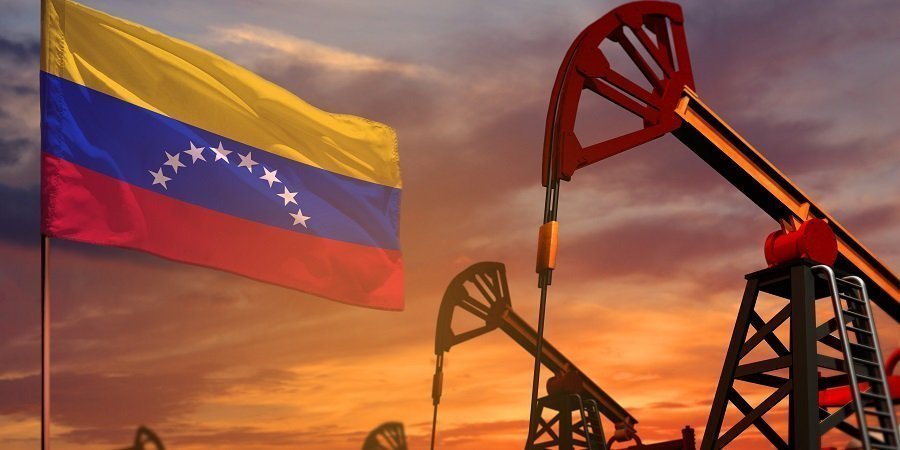
The Venezuelan parliament passed a law opening the oil sector to private investors in line with US demands. The reform was hailed as a "historic leap" by Acting President Delcy Rodríguez on Thursday, January 29, in Caracas.
Prior to the law's passage, only joint ventures affiliated with the state-owned oil company PDVSA were allowed to operate in the country's oil industry, with PDVSA always retaining a controlling stake. The new law allows private companies to independently extract and sell oil without the need to form a joint venture with PDVSA, AFP reports.
The reform introduces a single production tax of 15 percent and a maximum license fee of 30 percent of gross revenue. Tax rates will be set based on the profitability and investment volume of a specific project.
Following legislative changes, the US has eased sanctions against the Venezuelan oil industry, Reuters reported. The US Treasury Department has issued a general authorization for transactions with the Caracas government and state-owned oil company PDVSA, including the sale, transportation, and refining of Venezuelan oil.
The resumption of Venezuelan oil sales occurred following the US military operation in early January, which resulted in the capture of former Venezuelan President Nicolás Maduro. Following the resumption of exports under US supervision, state-owned oil company PDVSA, according to sources, began increasing production.
The US has already begun selling Venezuelan oil under a new agreement with Caracas. Proceeds from the initial deals, amounting to approximately $500 million, are being deposited into bank accounts controlled by the US administration. The total value of the agreement is estimated at $2 billion, with the main account opened in Qatar as a neutral settlement venue, according to sources familiar with the matter.