Translated with AI


































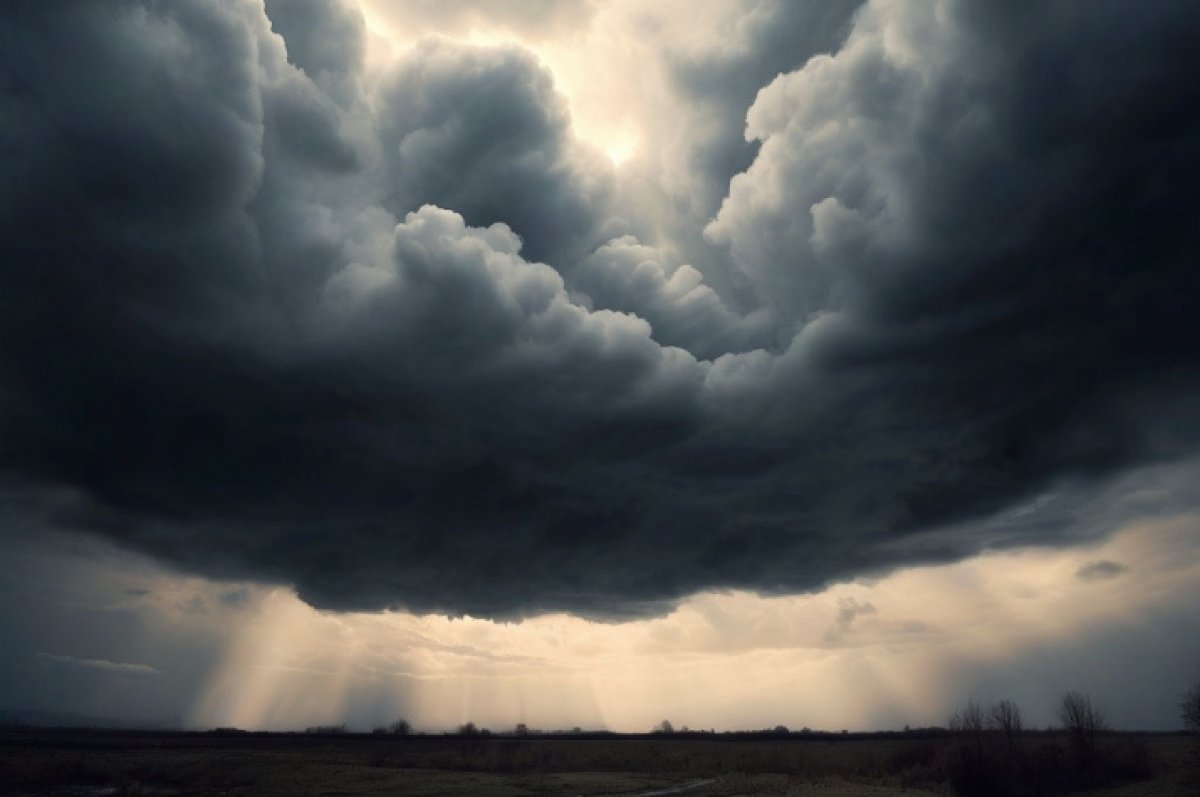
Iranian authorities have begun cloud seeding – spraying chemicals to artificially induce rain in the drought-stricken country, the BBC reports.
Cloud seeding involves injecting reagents such as silver or potassium iodide into clouds from aircraft or the ground. This accelerates the condensation of water vapor and subsequent precipitation.
On Saturday, this process was carried out over the Urmia salt lake basin, the official Iranian news agency Irna reported.
Urmia is the largest lake in Iran after the Caspian Sea, but after several years of drought, it has largely dried up and turned into a salt marsh.
According to the agency, cloud seeding will continue in the provinces of West and East Azerbaijan, washed by the lake (the Iranian provinces border the Republic of Azerbaijan).
According to the Iranian Meteorological Organization, the country's rainfall this year is 89% below the long-term average.
In the capital Tehran, a city with a population of over 9 million, reservoirs have been depleted to less than 10% of their capacity. Authorities are not ruling out water supply restrictions, and President Masoud Pezeshkian even suggested that evacuations might be necessary.
Cloud seeding, also known as cloud dispersal
Cloud seeding has been around for decades. It has been used in recent years in the United Arab Emirates to combat water shortages.
This method is also called "cloud dispersal," which suggests other uses for it. In countries like Russia, it is sometimes used to prevent rain during holidays.
The Soviet Union also engaged in cloud seeding after the Chernobyl nuclear disaster in 1986. According to a popular theory, this was done to prevent clouds that had absorbed radioactive particles from bringing rain to Moscow and other densely populated areas. Instead, radioactive rain fell on the southern regions of Belarus.