Translated with AI




























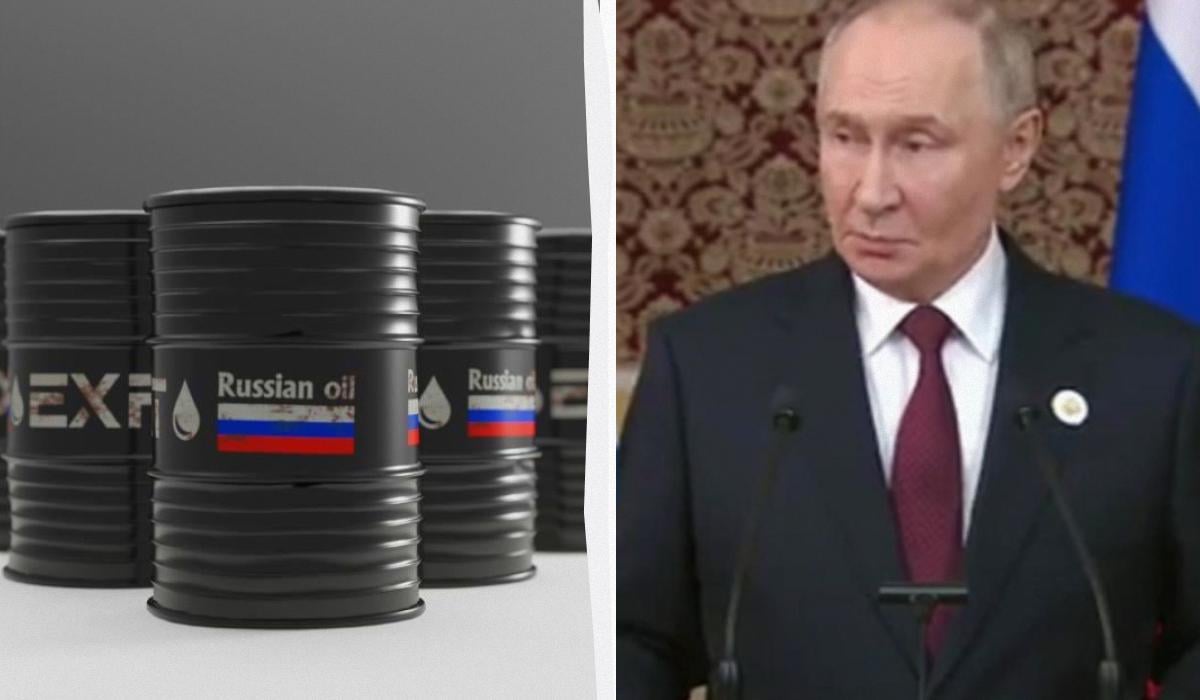
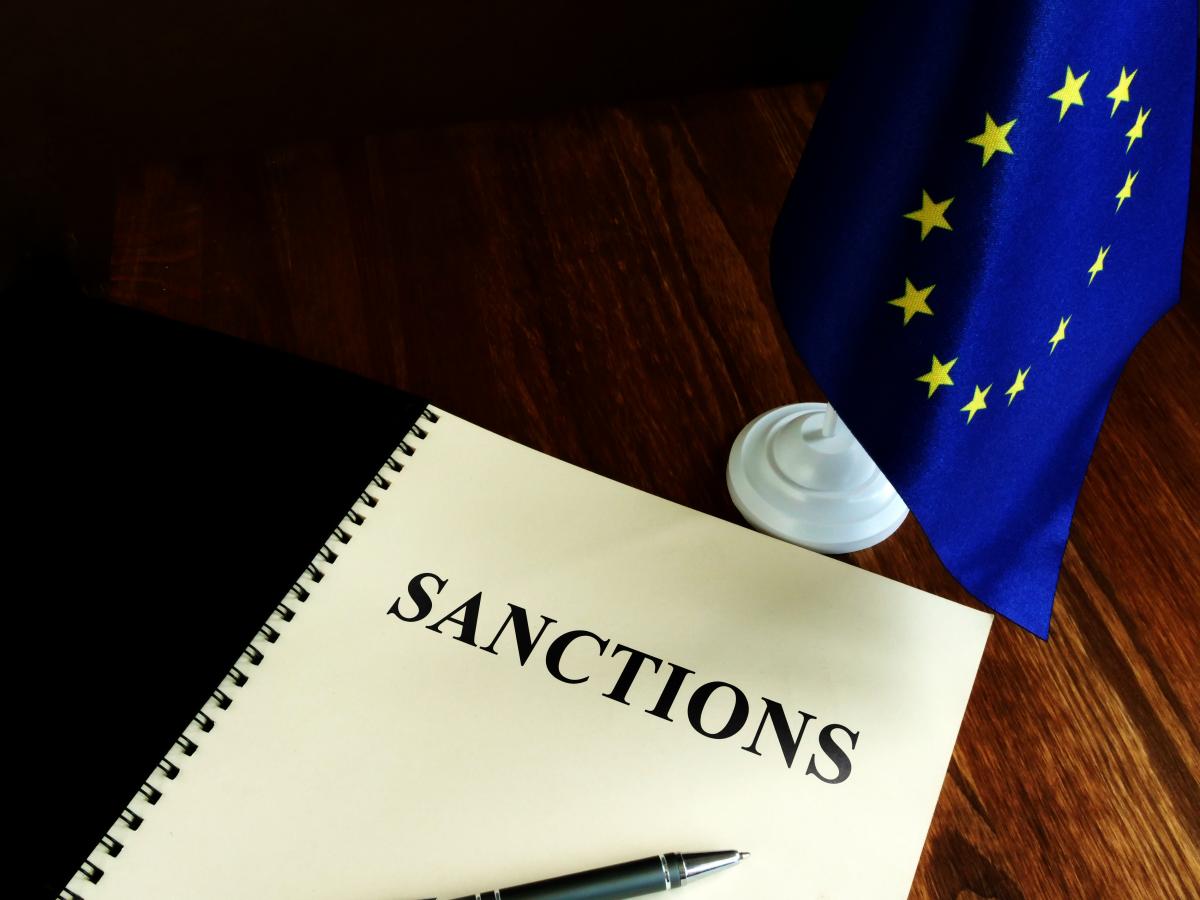
On Wednesday, October 22, the US administration announced the imposition of significant sanctions against Russia's largest oil companies, Rosneft and Lukoil. According to the US Treasury Department, the purpose of these measures is to "weaken the Kremlin's ability to generate revenue for its war machine."
The agency's official statement notes that oil is the "lifeblood" of the Russian economy, and the new restrictions effectively "cut off this bloodstream." The sanctions include freezing the assets of the aforementioned companies and prohibiting American persons from engaging in transactions with them. Subsidiaries directly or indirectly controlled by Rosneft or Lukoil, including branches in which these companies own 50% or more, are also subject to the restrictions.
The imposition of sanctions marks the first major anti-Russian energy measure of Donald Trump's second term in office. In a statement, US Treasury Secretary Scott Bessent emphasized that Washington calls on US allies to share responsibility and join in the new restrictions against the Russian energy sector.
At the same time, analysts are warning of risks for the global oil market: following the announcement of sanctions, Brent and WTI crude prices rose sharply by more than $2 per barrel. Despite this, experts note that the sanctions' impact may be delayed, as a significant portion of Russian hydrocarbons is already being shipped to Asia.
The Office of Foreign Assets Control (OFAC) notice states that, among other things, General Licenses 124A, 126, 127, and 128 have been issued, which allow for a transition period for certain operations of oil projects associated with these companies.
Thus, the US has increased pressure on Moscow, essentially striking a blow to a key sector – the oil sector, which is the source of a significant share of Russia's budget revenue and influences the financing of the defense economy.