Translated with AI

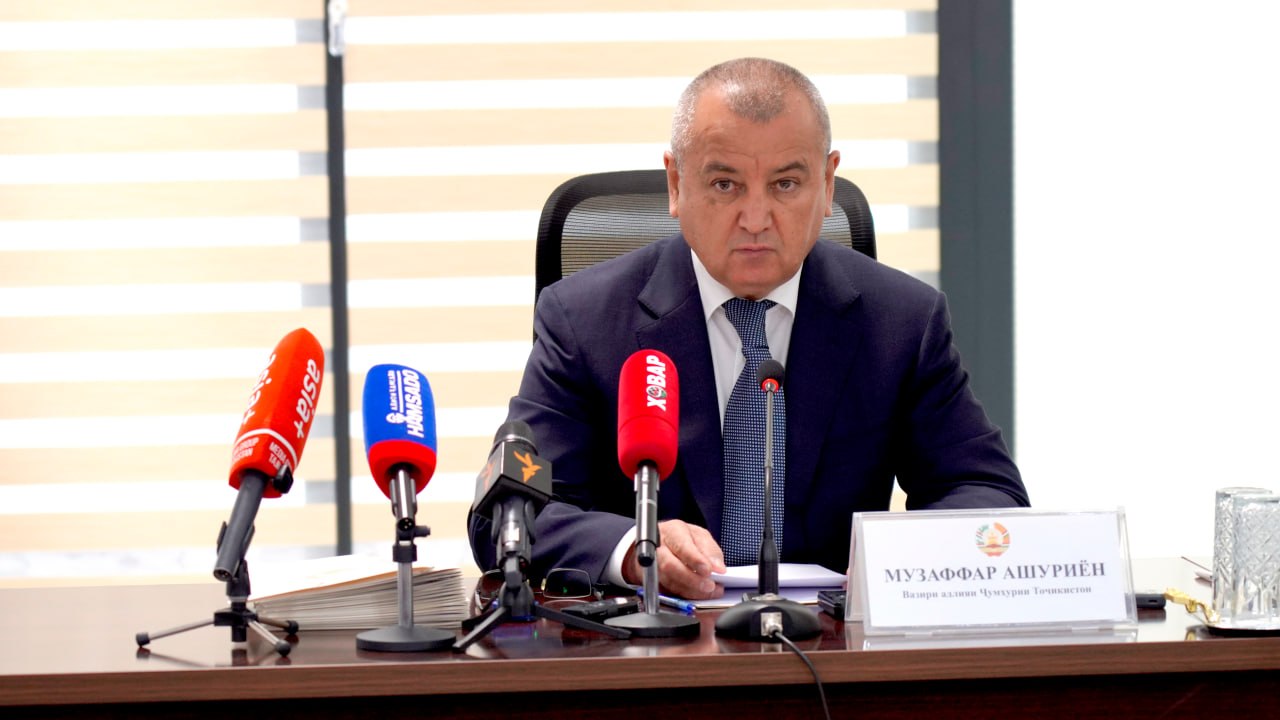


















The Minister of Transport of the Republic of Tajikistan, Azim Ibrohim, instructed the heads of transport departments and road services to develop immediate measures to reduce traffic congestion, especially in the capital and other major cities of the country.
According to the minister, traffic congestion leads to increased fuel consumption, increased air pollution, stress for drivers and passengers, and also impedes the work of emergency and operational services. Population growth and the rapid growth of vehicles are cited as the main causes of congestion.
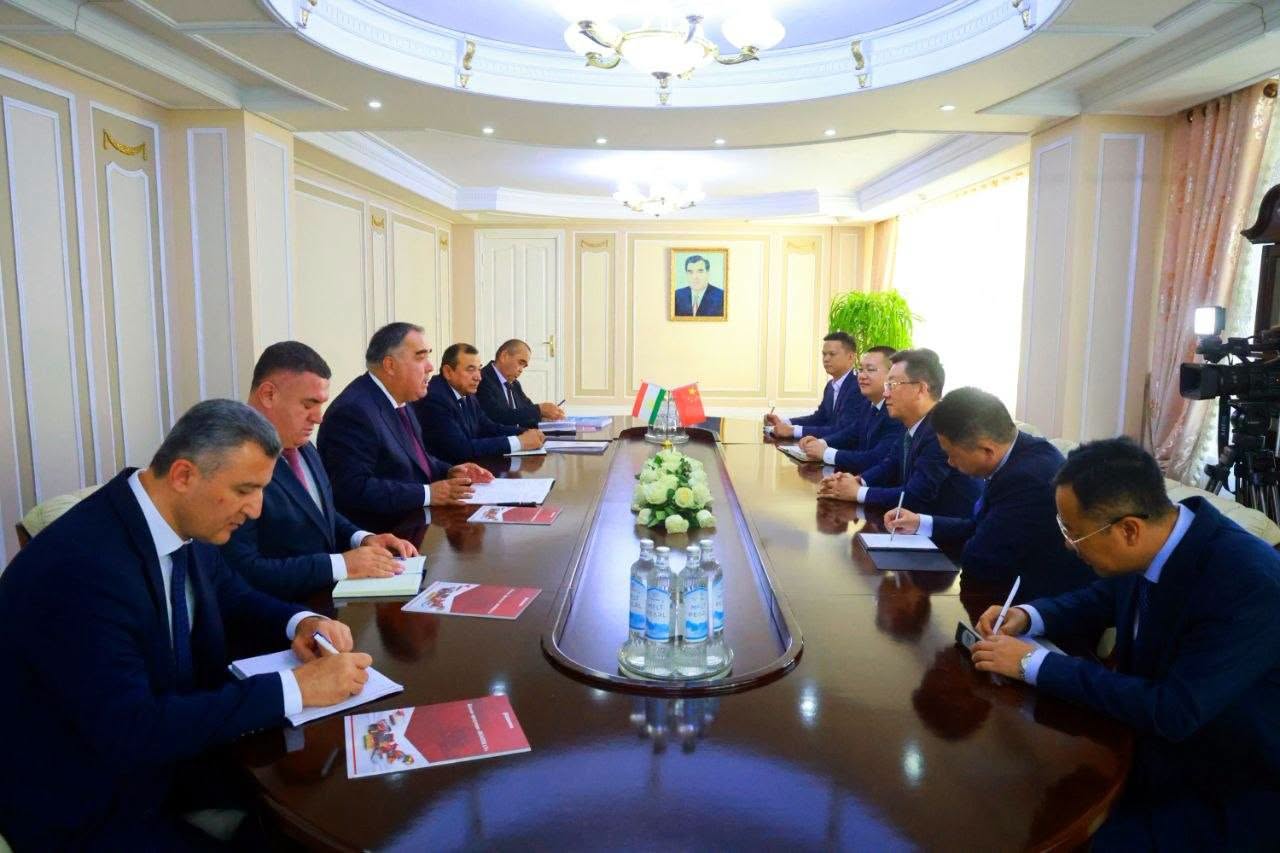
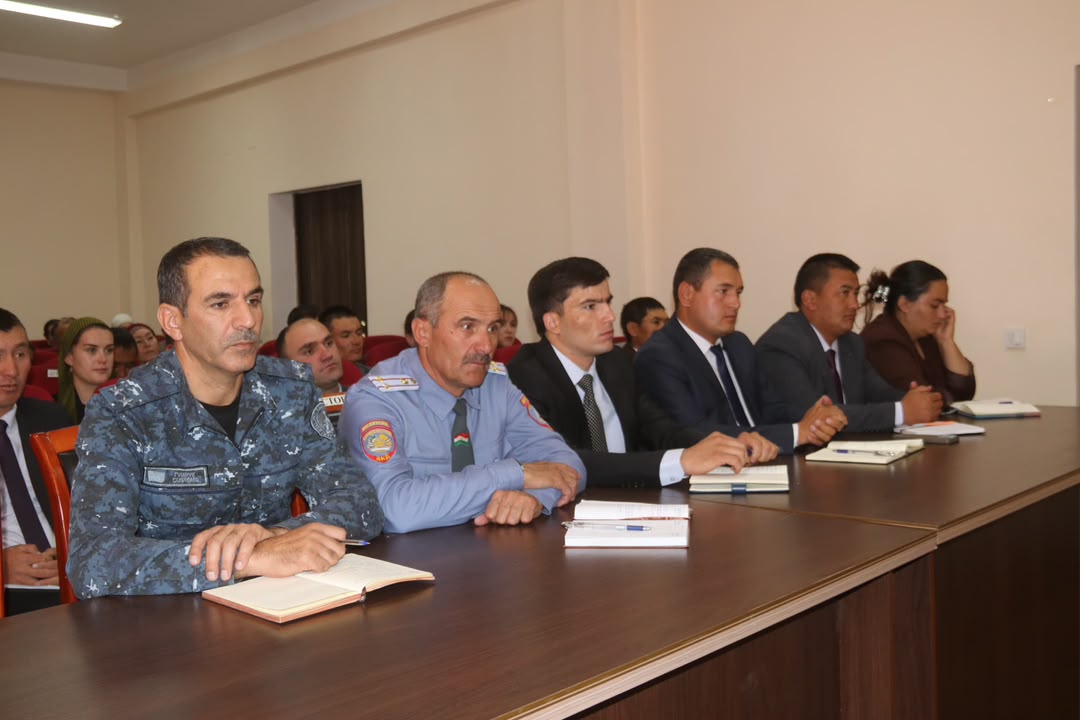
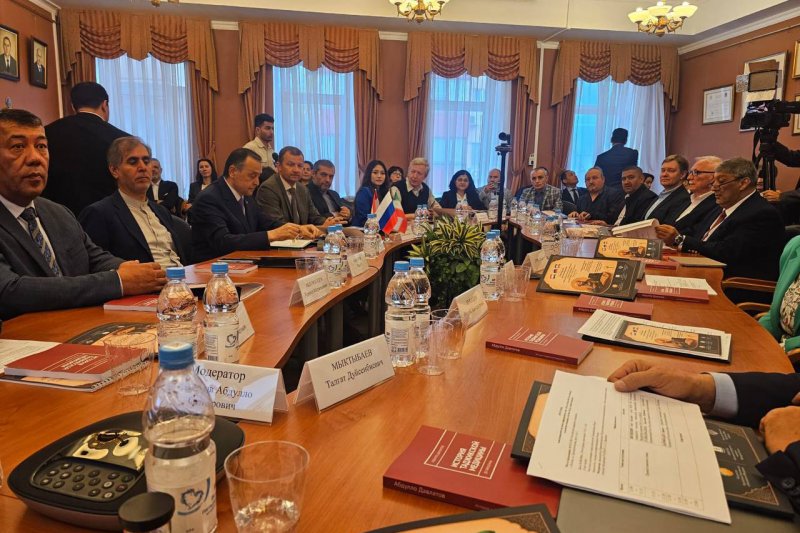
On October 17, an extended meeting of the Ministry of Transport's board was held in Dushanbe. The meeting summarized the industry's performance for the first nine months of 2025 and discussed objectives for the fourth quarter. The meeting was attended by board members, heads of departments of the central office, subordinate agencies and enterprises, as well as representatives of relevant ministries and agencies.
First Deputy Minister of Transport Farrukh Negmatzoda delivered a report entitled "Industry Performance Results for the First Nine Months and Objectives for the Fourth Quarter of 2025." It was noted that despite existing logistical challenges, the transport industry is demonstrating sustainable growth in key performance indicators.
Today, there are 2,865 enterprises and institutions of various forms of ownership operating in the industry, which is 2.9% more than last year, including 2,482 automobile transport enterprises, 246 institutions and enterprises engaged in road construction and maintenance, as well as 137 railway transport enterprises.
There are 895 passenger routes operating in the country, including 179 urban, 531 suburban, 154 intercity, and 31 international. As of October 1, 2025, 701,231 vehicles were registered, an increase of 64,938 (10.8%) compared to the previous year. These included 53,967 trucks, 16,520 passenger vehicles, 606,296 passenger cars, 6,007 specialized vehicles, and 18,441 motorcycles.
In the first nine months of 2025, all modes of transport transported 115.6 million tons of freight (15.4% more than in the same period last year) and 832 million passengers (9.6% more). Road transport accounts for over 95.1% of freight and 99.8% of passenger transport.
This year, the Ministry of Transport is implementing 11 major infrastructure projects worth over $1.14 billion, including the construction of the Dangara-Guliston (49 km) and Guliston-Farkhor (29.6 km) highways, and the region's longest bridge, the 920-meter Obigarm-Nurobod bridge. Sections of the Dushanbe-Kulma international highway, a 3,400-meter tunnel, 13 road bridges, an avalanche-prevention corridor in the Shugnan district, and other facilities have also been commissioned.
As part of the instructions of the Minister of Transport, the heads of the relevant departments and services were recommended to:
-
complete the inventory of road assets and compile an electronic map of highways;
-
do not allow movement of vehicles exceeding weight and size standards;
-
accelerate the implementation of digital technologies and artificial intelligence in the transport sector;
-
ensure a complete transition to cashless payment for all services and taxes in the transport industry by the end of 2025;
-
carry out ongoing work on the maintenance, landscaping and improvement of roads;
-
comply with road construction and maintenance standards.
The Minister emphasized that traffic congestion remains a major problem, particularly in the capital and major cities, which negatively impacts travel times, fuel consumption, air pollution, vehicle wear and tear, and causes stress for drivers and passengers.
Tojiddin Rahimzoda, Deputy Head of the Infrastructure Development Department of the Executive Office of the President of the Republic of Tatarstan, assessed the industry's performance over the past nine months and proposed a number of recommendations for improving the efficiency of the transport system.
Following the board meeting, a corresponding resolution was adopted on the need for immediate measures to reduce traffic congestion and improve the country's road transport sector.