Translated with AI
































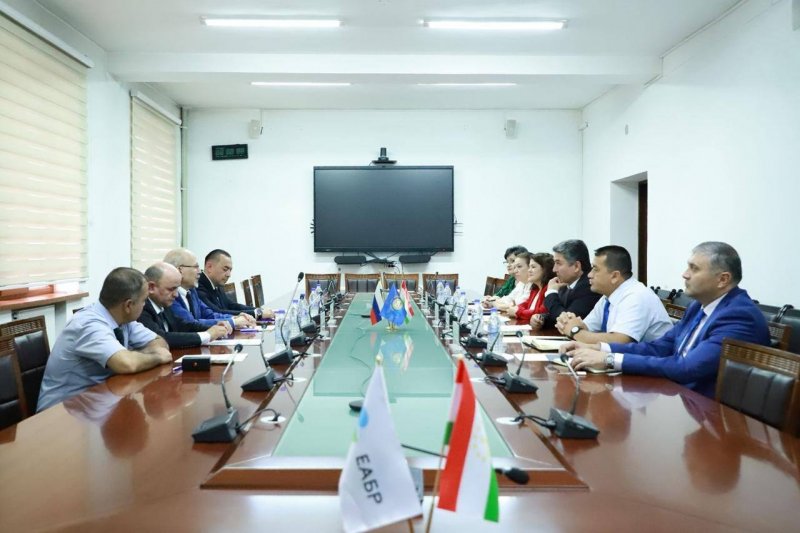
A project to develop the institutional environment for public-private partnerships (PPPs) has begun in Tajikistan. The initiative is being implemented by the Project Implementation Center under the State Committee on Investments and State Property Management, jointly with the Russian-Tajik (Slavic) University (RTSU), with support from the Eurasian Development Bank (EDB). Financing is provided by the EDB Technical Assistance Fund, according to the Center's press service.
The project aims to strengthen the capacity of government agencies and enhance their competencies in the field of public-private partnerships. As part of the initiative, the PPP Center will conduct a series of training sessions for representatives of government agencies and the private sector. A new academic course, "Public-Private Partnerships," will be introduced at RTSU in accordance with international standards.
In addition, the launch of the "EDB PPP Scholarship Program" is planned to support university students. A modern, branded classroom equipped with the necessary equipment will be created for classes. At the same time, the parties will prepare a "Country Review of PPP Development in the Republic of Tajikistan."
Vladimir Yakunin, EDB Country Director for the Republic of Tajikistan, noted that the Bank has extensive experience in PPPs and has already implemented large-scale projects in the region, including the construction of the Almaty Ring Road. "This experience will be useful for building project teams in Tajikistan, where the PPP portfolio is actively expanding," he emphasized.
According to the EDB, the project scales up the Bank's successful practices previously implemented in Armenia and Kyrgyzstan. Currently, the EDB's portfolio includes 319 projects with a total investment volume of USD 19.1 billion. The focus is on infrastructure, digital systems, green energy, agriculture, and industry.
Implementation of this initiative in Tajikistan will create a sustainable system for training specialists in the field of public-private partnerships and strengthen the foundation for further investment in the country's economy.