Translated with AI






















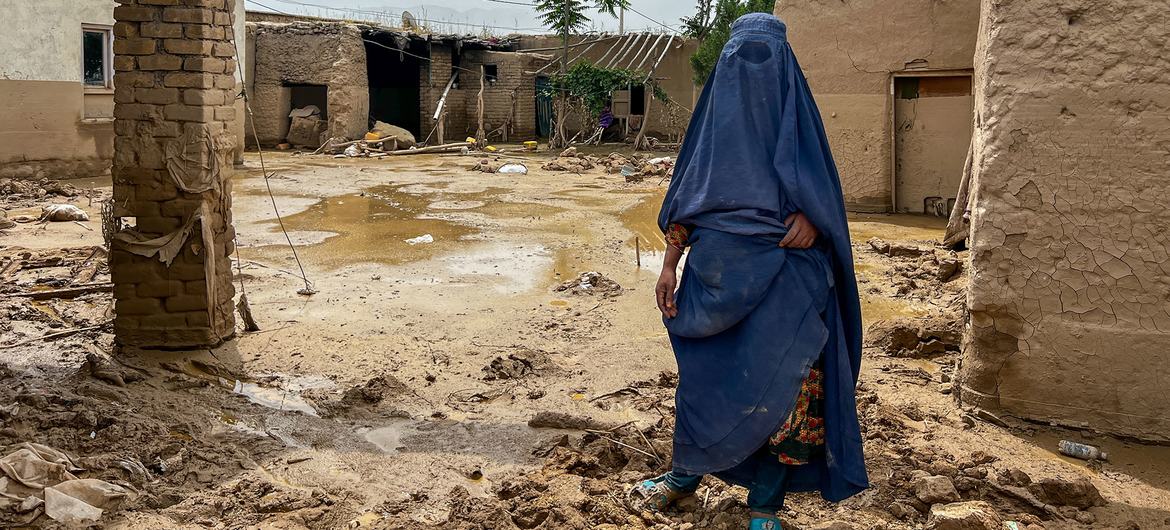
The catastrophic situation with women's rights in Afghanistan is the "worst crisis of its kind in the world," and it is gradually "becoming the norm." This was stated by UN Women Special Representative in Afghanistan Susan Ferguson, speaking at a briefing at UN headquarters in New York via video link from Kabul. This was reported by the UN press service.
In the four years since the Taliban movement came to power in Afghanistan, numerous decrees have been issued that severely restrict the rights of women and girls. As Ferguson emphasized, these restrictions are not temporary: "This is a new reality."
Systemic oppression of women's rights
During her speech, the UN representative focused on the "Morality Law" adopted last year, which transformed traditional norms that had existed for centuries in certain regions of the country into a strict system of control over women's behavior throughout Afghanistan. Now, the behavior of Afghan women is controlled not only by the authorities, but also by family members, community representatives, and even private businesses – for fear of reprisals.
"That's how 'normalization' works: it gradually becomes woven into everyday life," Ferguson noted.
Despite the overall decline in violence in the country, women's safety remains extremely low: they feel unprotected in public spaces, within their families and communities, and are unable to take advantage of the relative stability.
Education and employment are unavailable
Girls in Afghanistan continue to be excluded from school and university, Ferguson emphasized, and women are almost completely excluded from the labor force. According to UN Women, approximately 80 percent of young women lack access to education, employment, and training programs. By comparison, this figure is only 20 percent for men.
"Isolation harms women, their families, their communities, and the country as a whole," Ferguson said.
The exclusion of women is projected to cost the Afghan economy approximately $920 million between 2024 and 2026.
Women do not participate in politics
Since the Taliban seized power in the country, not a single woman has been appointed to a leadership position in the central or regional government. Despite informal attempts by women to engage in dialogue with local authorities, institutions allowing them to participate in decision-making do not exist.
Mass return of refugees
In 2025, over 1.7 million Afghans returned to the country, primarily from Iran and Pakistan. Women and girls make up a significant portion of these people, many of whom were deported. They return to a country where they have no homes, no jobs, no access to education, and no healthcare.
In a context where women are prohibited from interacting with men, their only recourse is through women's humanitarian workers. However, funding cuts have meant that half of women's NGO staff have already lost their jobs, and a third of the organizations may soon close.
Women continue to resist
Despite the difficulties, Afghan women continue to fight, Ferguson noted. According to surveys, 40 percent of Afghan women still believe in the possibility of change. Many find ways to work, study, help others, and even participate in international dialogues.
"If we accept what's happening, we'll show the world that women's rights are a secondary issue," Ferguson concluded. "We mustn't accept the denial of women's rights as the new norm. We must uphold their voices."