Translated with AI































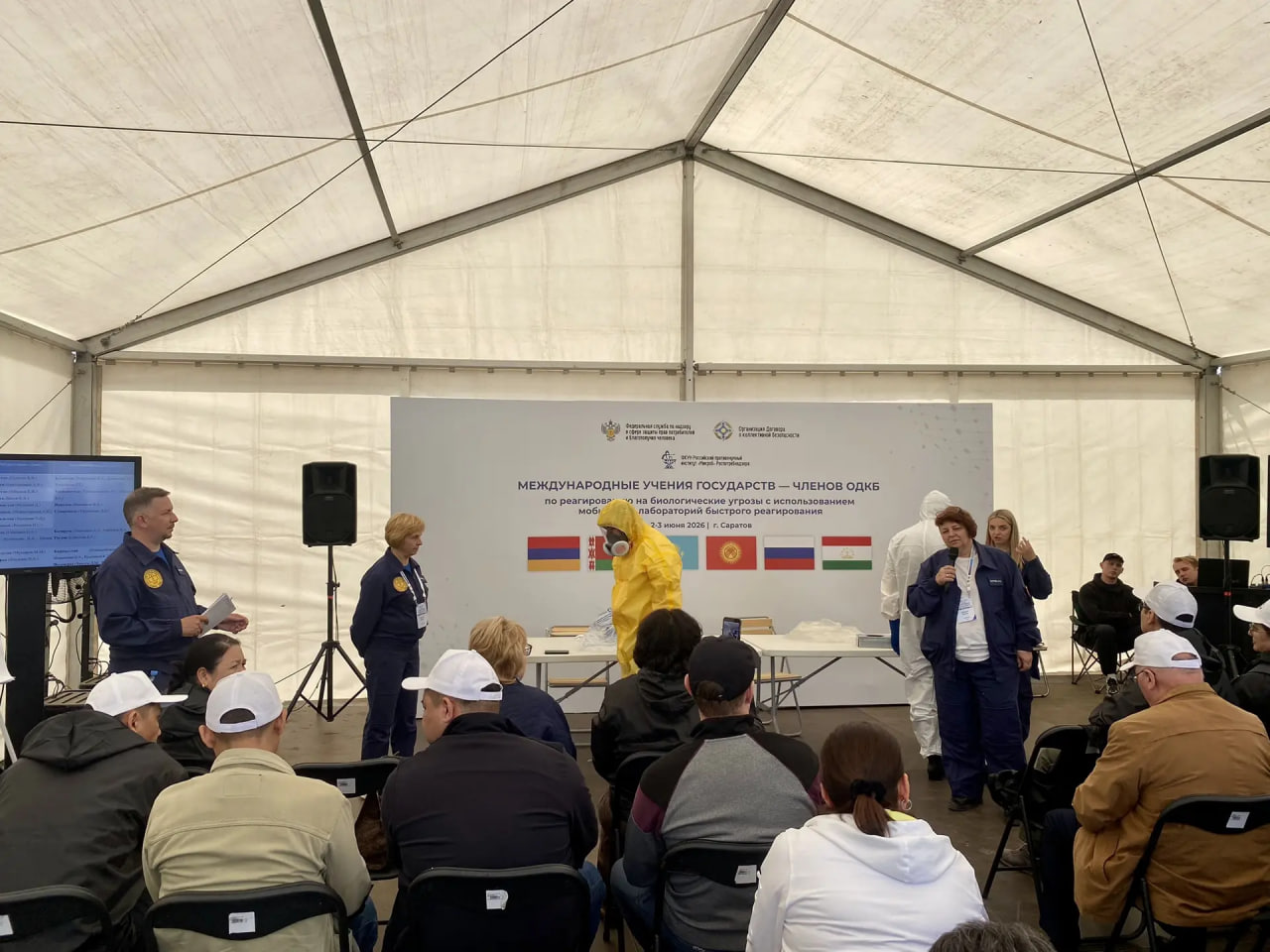
From June 1 to 3, Saratov, Russia, is hosting a series of events by member states of the Collective Security Treaty Organization (CSTO) aimed at strengthening their collective response to biological threats, the CSTO press service reported.
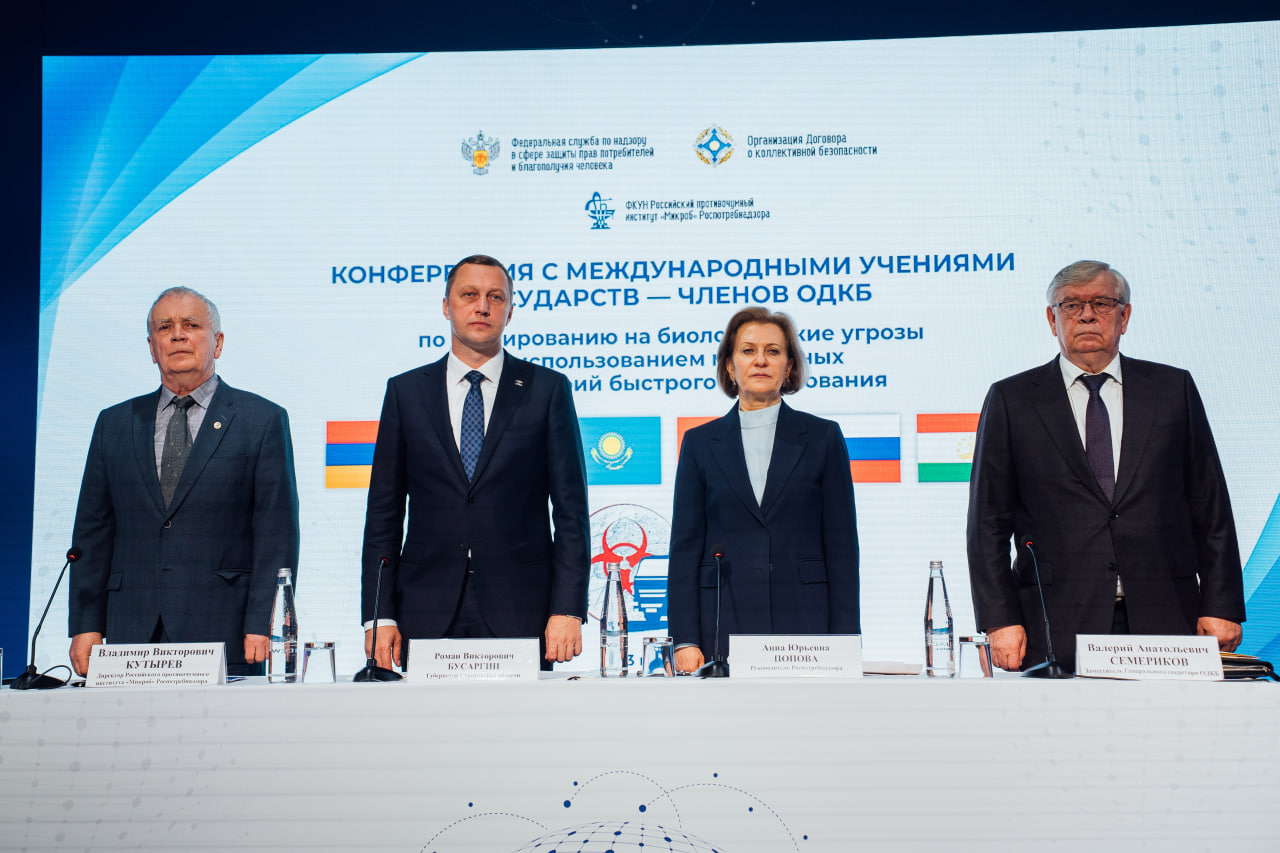
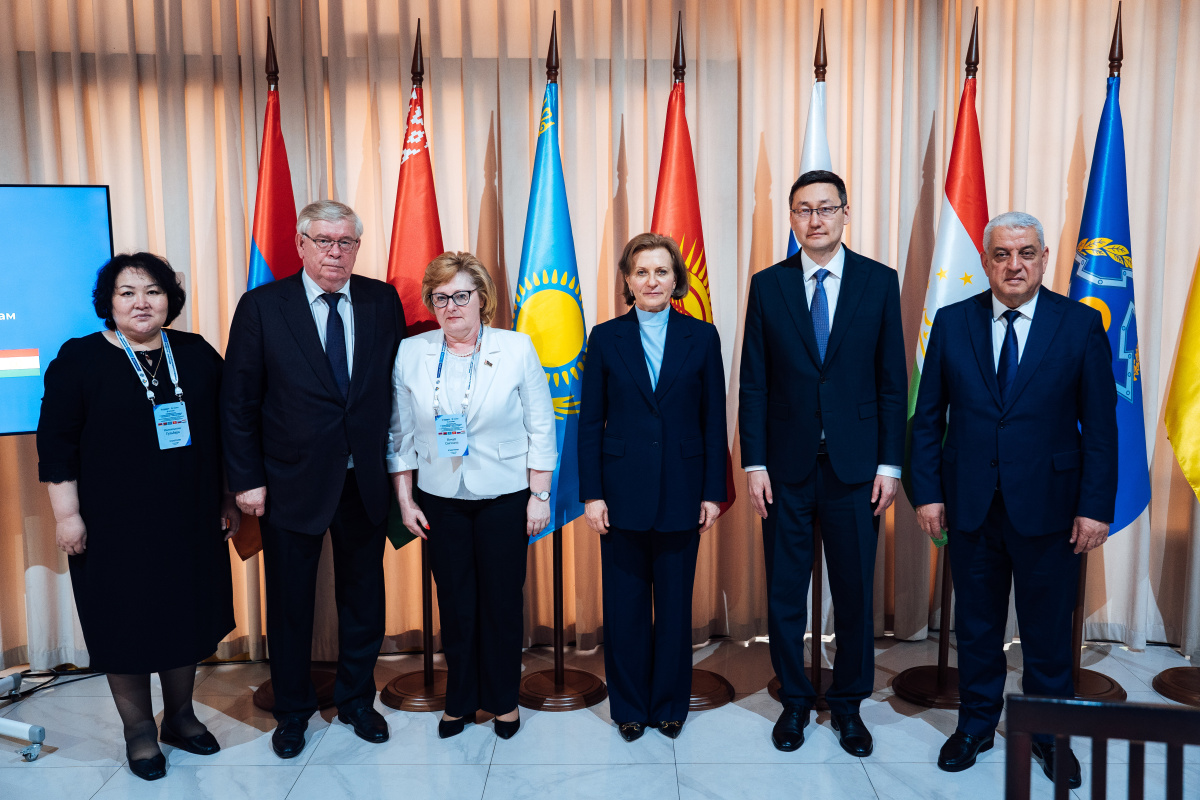
The central event of the first day was the 6th meeting of the Coordination Council of Authorized Bodies of the CSTO Member States on Biological Security. The meeting was chaired by Anna Popova, Head of Rospotrebnadzor and Chief State Sanitary Doctor of the Russian Federation.
Representatives of relevant ministries and departments of the Republic of Belarus, the Republic of Kazakhstan, the Kyrgyz Republic, the Russian Federation, the Republic of Tajikistan, as well as the CSTO Secretariat took part in the meeting.
During the meeting, participants exchanged assessments of the biological situation in the CSTO area of responsibility and approved the Coordination Council Action Plan for 2026–2028.
The Coordination Council members also agreed on a draft document establishing a Basic Organization of CSTO Member States for the Study of Biological Security Issues. It was proposed to grant this status to the Mikrob Anti-Plague Research Institute of Rospotrebnadzor.
One of the meeting's significant outcomes was the approval of a draft joint analysis of the biological security situation within the CSTO. As noted, this will allow for a comprehensive understanding of existing risks and the identification of future priorities for collective action.
In addition, the participants considered a proposal from the Russian side and the CSTO Secretariat on the feasibility of developing a conceptual document on the development of a biological security system for the organization's member states in the medium term.
The next, 7th meeting of the Coordination Council is scheduled for December 2026 in St. Petersburg.
On the same day, Anna Popova officially opened the first Conference with international exercises of the CSTO member states on responding to biological threats and delivered an opening speech to its participants.
During the first plenary session, the heads of the national sections of the Coordination Council delivered reports, providing information on the biological security situation in their respective countries. CSTO Deputy Secretary-General Valery Semerikov also delivered a report, focusing on the organization's current activities and the need to comprehensively strengthen cooperation among member states in the area of biological security.
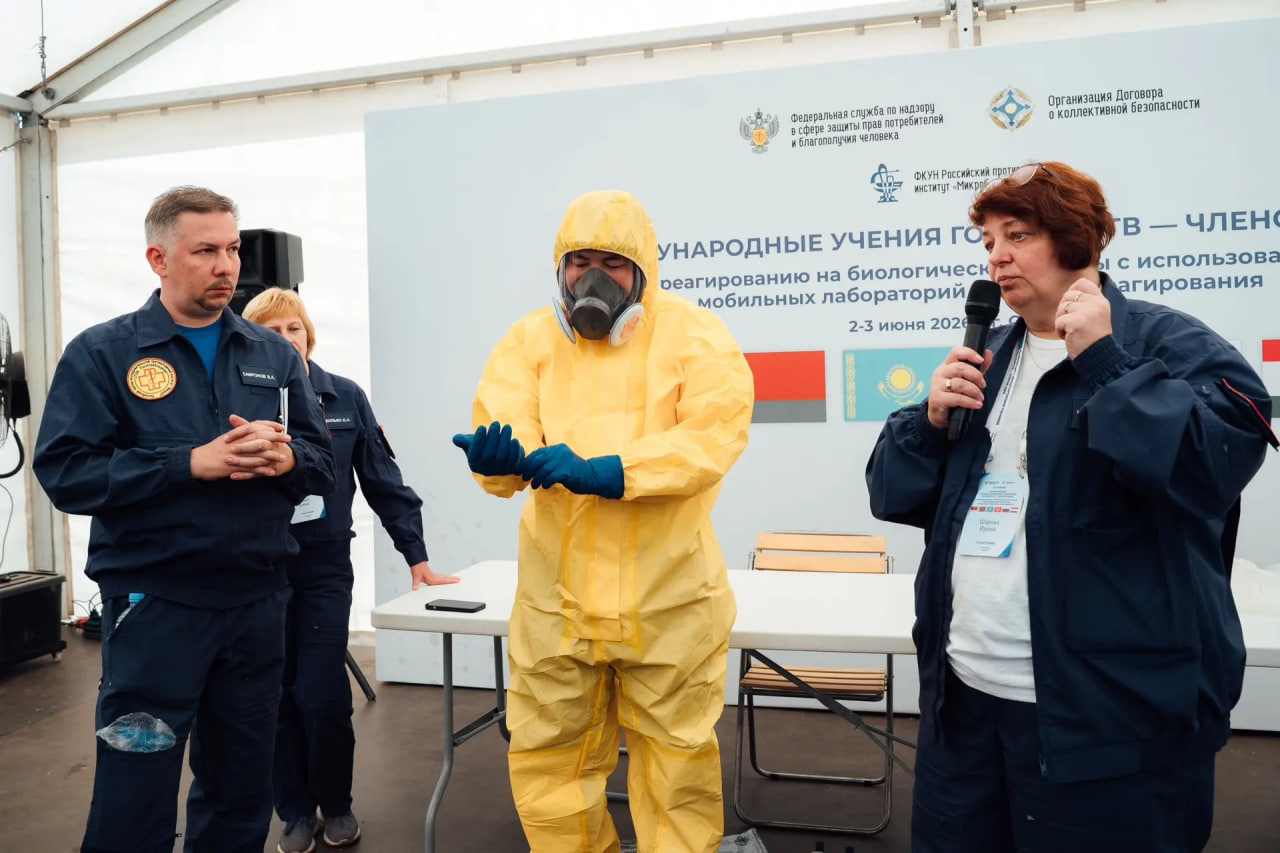
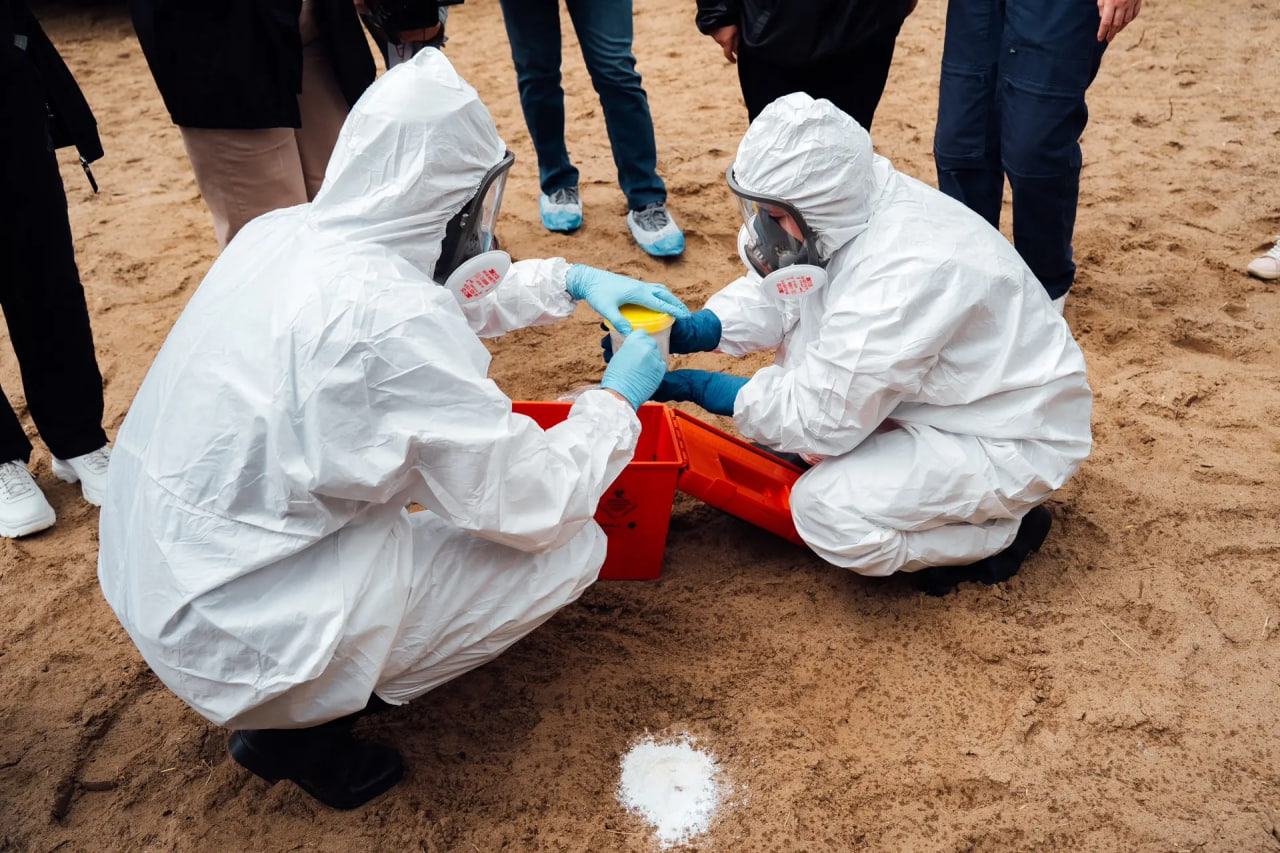
The exercises began on June 2. They involve more than 100 specialists from sanitary and epidemiological services and health ministries of CSTO member states. The events will last until June 3.
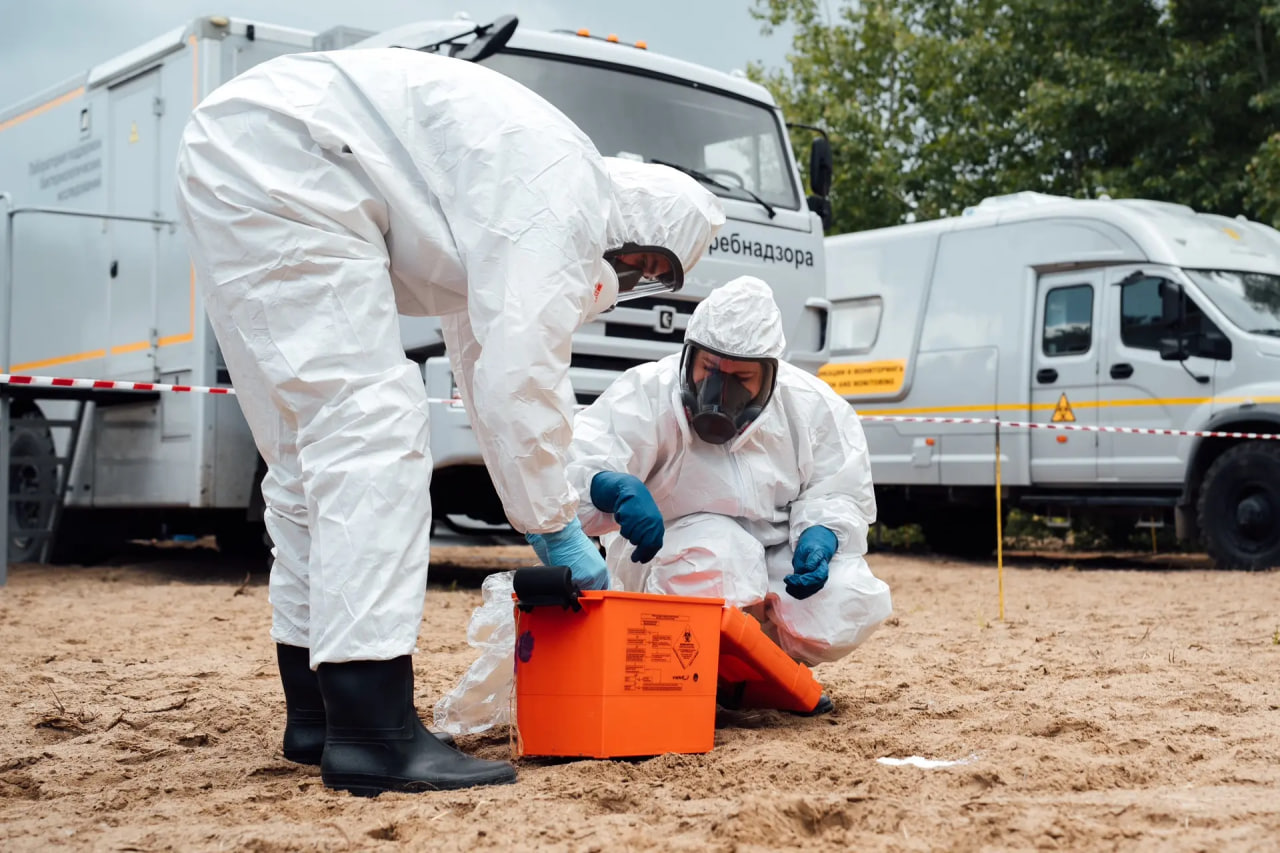
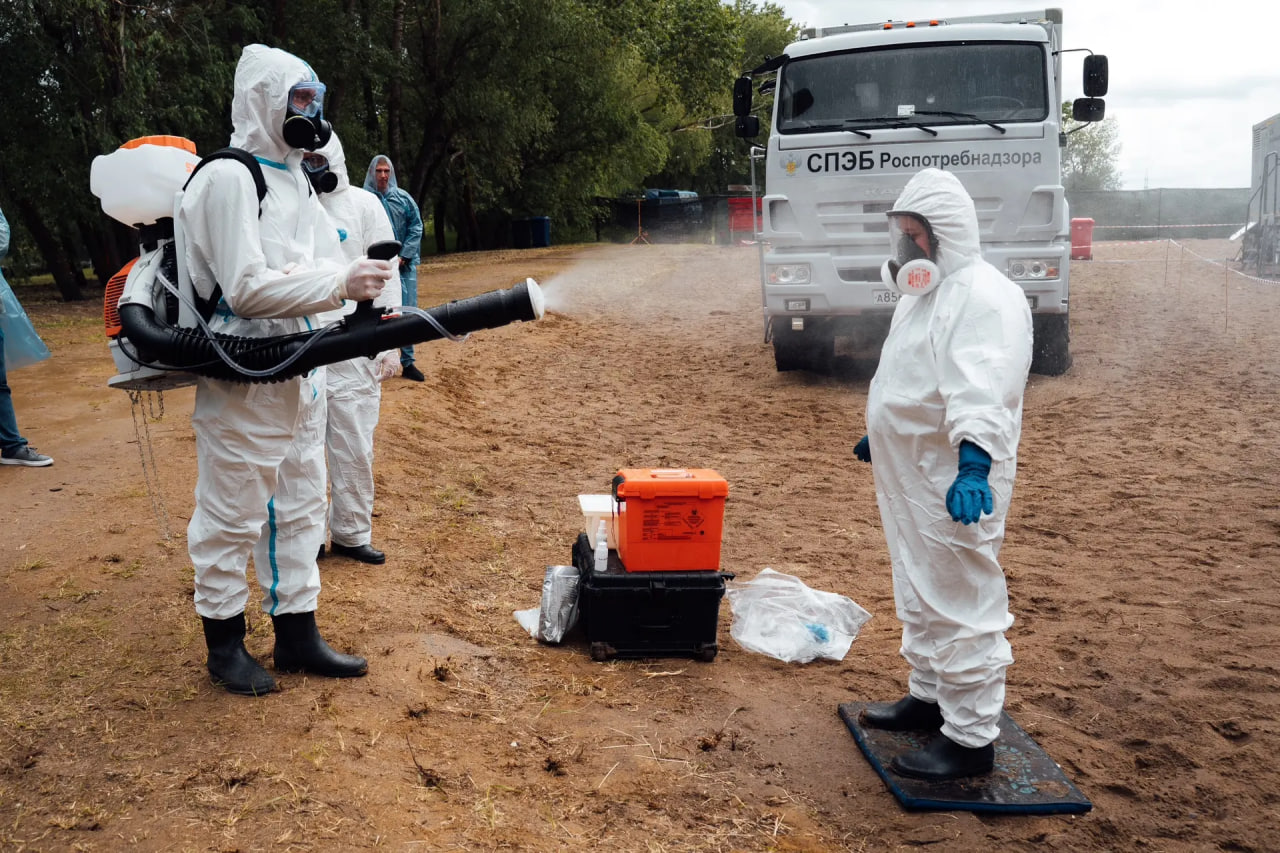
In field conditions, teams practice operational logistics, information exchange, and biological risk assessment and management during the elimination of a simulated outbreak of a particularly dangerous infection.
The material basis for the exercises are the multifunctional mobile laboratories of Rospotrebnadzor, including laboratories of the specialized anti-epidemic team, mobile laboratories for indication and monitoring, as well as portable mobile laboratories.
These complexes are capable of autonomously conducting up to one thousand studies per day directly at infection sites.
According to the organizers, CSTO member states currently possess more than 100 such mobile laboratories equipped with modern Russian equipment.
The events held in Saratov, as noted, demonstrate the shared commitment of the CSTO member states to deepening cooperation and strengthening the collective biological security system.