Translated with AI
































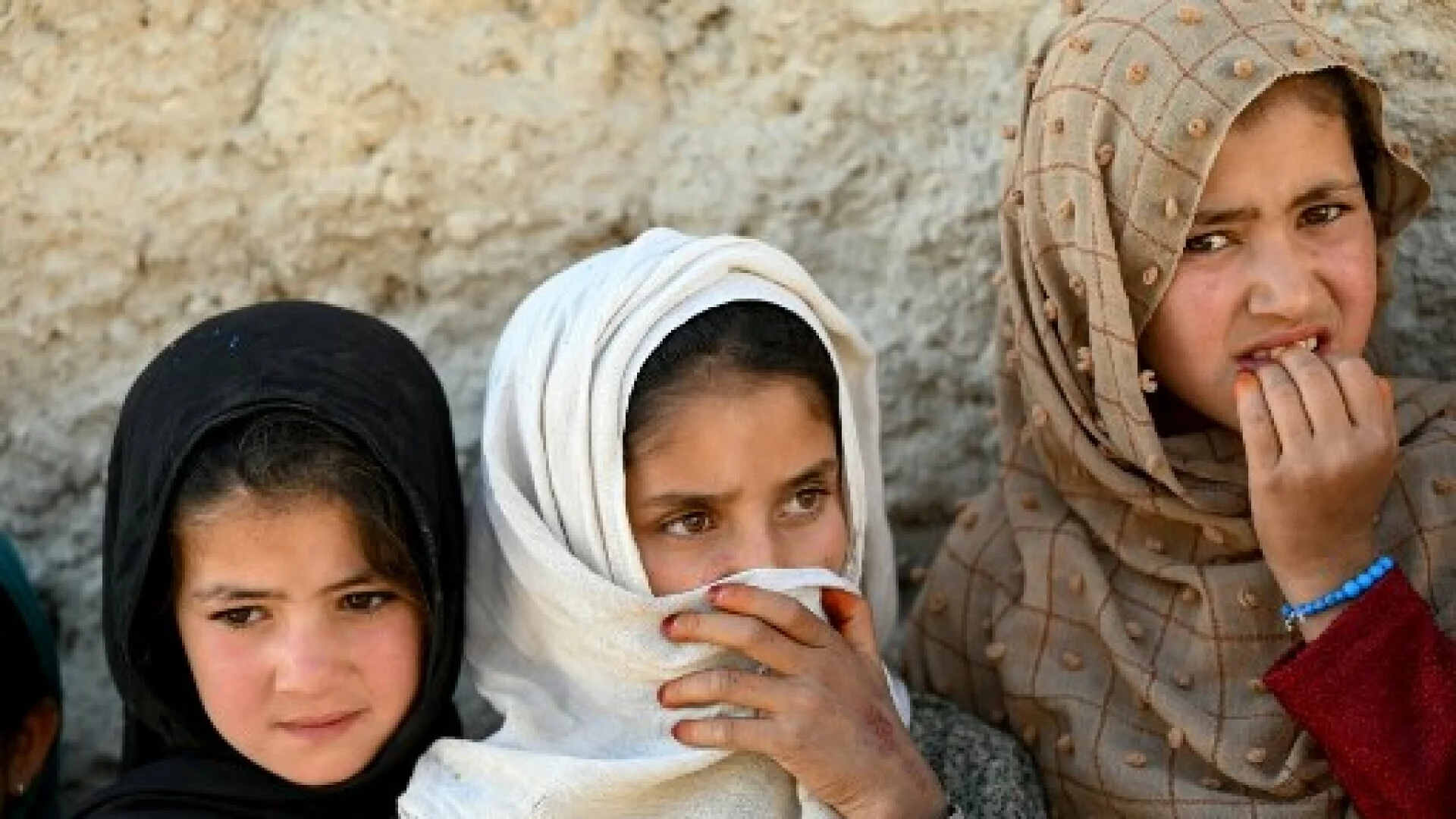
The UN Committee on the Rights of the Child has condemned the de facto authorities in Afghanistan for adopting a new decree that, according to experts, effectively legalizes child marriage and allows a girl's silence to be interpreted as consent to marriage, the organization's press service reported.
The Committee stated that this step constituted a serious violation of international human rights standards.
Experts recalled that any marriage in which at least one spouse is under 18 is considered a child marriage. According to a joint recommendation by the Committee on the Rights of the Child and the Committee on the Elimination of Discrimination against Women, such marriages are considered harmful practices and a form of forced marriage, as children are incapable of giving full, free, and informed consent to marriage.
The document in question is Decree No. 18, adopted by the de facto Taliban authorities in 2026. The document singles out married girls who have reached puberty as a separate category. According to the Committee, this effectively legitimizes underage marriage after reaching puberty.
Furthermore, the decree stipulates that a girl's silence after the onset of puberty may be considered as consent to marriage.
The Committee emphasized that sexual maturity cannot be considered a basis for recognizing a person as an adult or as having the legal capacity to marry. Experts believe this provision is contrary to the Convention on the Rights of the Child.
Human rights activists also noted that child marriage exposes girls to increased risk of violence, exploitation, early and forced pregnancy, deprives them of education, and causes long-term damage to their physical and mental health.
"Any legal system that normalizes or facilitates marriages involving children violates their rights, undermines their human dignity, and deprives them of autonomy and future prospects," the experts said in a statement.
The committee, which comprises 18 independent children's rights experts, also expressed serious concern that the decree is part of a broader policy of discrimination against women and girls, including a ban on secondary and higher education.
Experts say such measures have already deprived millions of Afghan girls of basic rights, limited their future economic and social opportunities, and contributed to deepening poverty and inequality in the country.
In this regard, the Committee called on the de facto authorities of Afghanistan to immediately reverse all measures that violate children's rights, to unconditionally prohibit child marriage, and to restore the rights of all girls to education, protection, equality, and full participation in society, in accordance with the country's international human rights obligations, the Convention on the Rights of the Child and its Optional Protocols.