Translated with AI















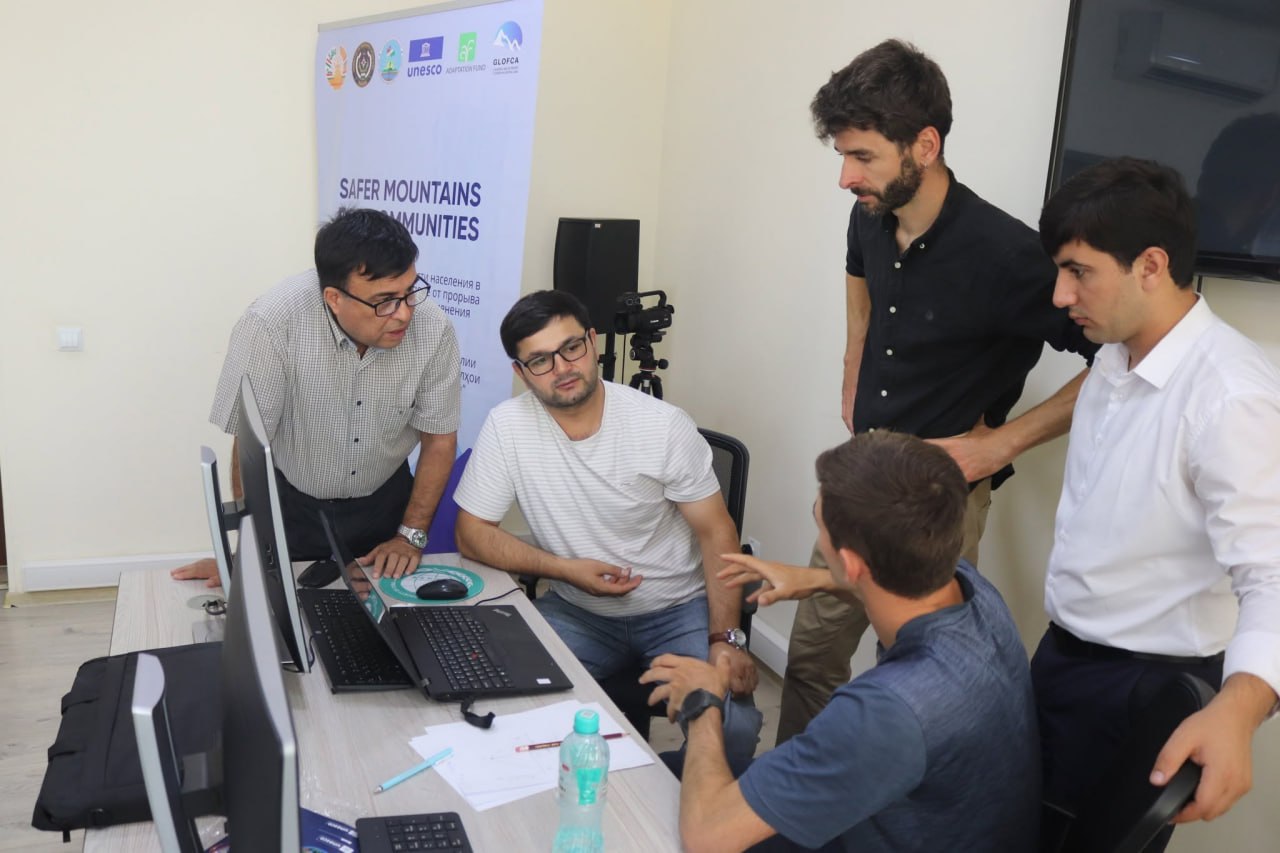

















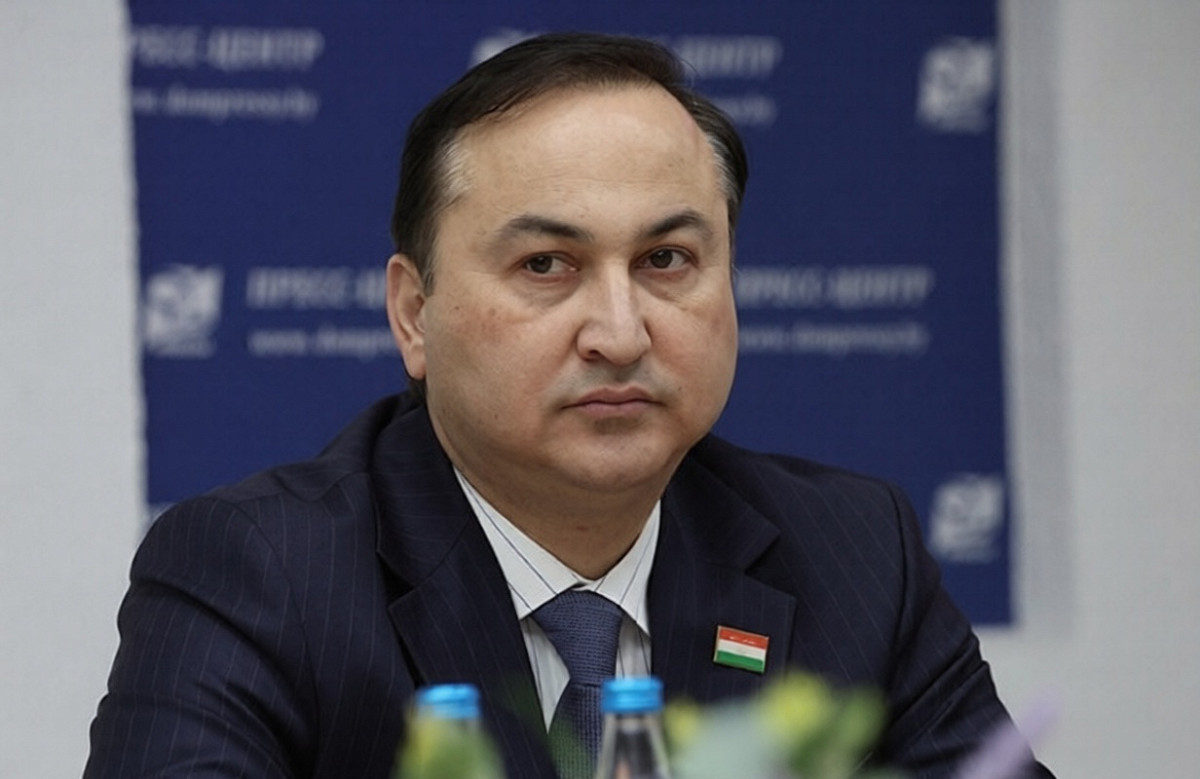
Bakhtovar Safarzoda, Ambassador Extraordinary and Plenipotentiary of the Republic of Tajikistan to the Republic of Belarus and Permanent Plenipotentiary Representative of the Republic of Tajikistan to the statutory and other bodies of the Commonwealth of Independent States, expressed gratitude to Belarus for preserving the memory of Tajik soldiers—heroes of the Great Patriotic War. He made this statement at a press conference at the House of Press, titled "The Great Patriotic War: No Statute of Limitations, No Right to Forget," timed to coincide with the release of the book "Together! Great Victory," according to the press service of the CIS Executive Committee.
According to the diplomat, the memory of the Great Patriotic War continues to live in people's hearts, despite the fact that more than 80 years have passed since the Victory over fascism.
"We feel pride for our homeland, which our fathers and grandfathers liberated from the Nazi invaders, paying for it with their lives. We honor the memory of all those generations who achieved the Great Victory. And at the same time, we must constantly remember that peace and tranquility require our protection," he noted.
The ambassador emphasized that during the Great Patriotic War, the peoples of the Soviet Union united in the face of a common enemy. Despite its remoteness from the front lines, Tajikistan made a significant contribution to the victory. Of the republic's 1.5 million residents, approximately 300,000 went to the front, of whom 100,000 never returned home. Among the participants in the war were not only men but also 15,000 women—pilots, snipers, machine gunners, doctors, and signalmen—who fought alongside their men, demonstrating heroism and courage.
The diplomat also reported that during the war, Tajikistan became a reliable base for the front. The republic's industry was restructured to meet military needs: uniforms were sewn, parachute silk and army boots were manufactured, and food supplies were supplied. The republic accepted evacuees from occupied territories, and residents shared their last reserves with them. Parcels containing food, clothing, and valuables were sent to the front. The labor exploits of Tajikistan's workers, collective farmers, and intellectuals were highly praised by the government.