Translated with AI

























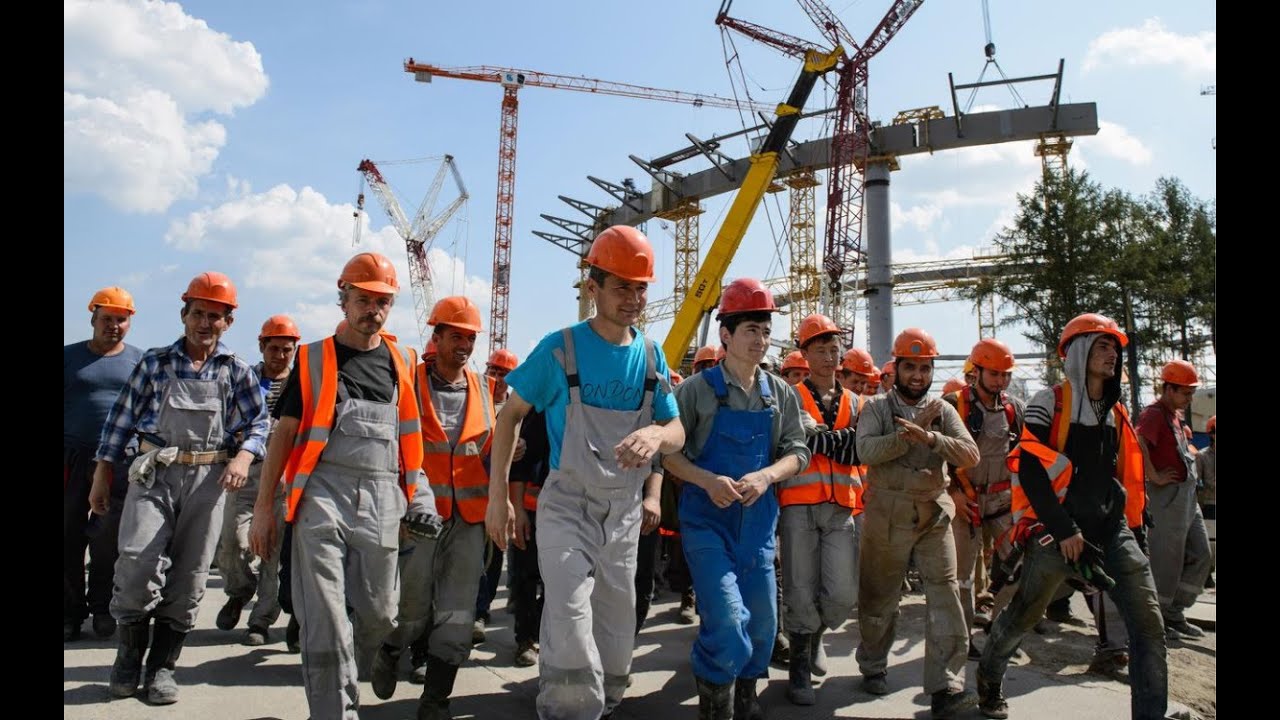
The General Confederation of Trade Unions, which unites trade unions from several countries of the Commonwealth of Independent States, is discussing the creation of permanent or temporary consultation centers in CIS countries to assist migrant workers. This was announced by the organization's Deputy Secretary General, Margarita Usova, according to TASS.
According to her, at one of the meetings with representatives of the Kyrgyz government, the idea of creating similar consultations was discussed so that citizens wishing to work abroad would be aware of their rights and comply with the rules and labor laws of the country they were traveling to.
Usova noted that potential migrant workers should receive the necessary information in advance. She explained that the possibility of establishing special missions or temporary consultation centers for those leaving the country was discussed. She stated that such consultations would allow people to understand in advance where they are going and what conditions they might encounter.
Usova emphasized that people should be informed well before departure. She believes the establishment of such consultations is an important initiative. She also noted the willingness to develop a pilot project to organize consultations at CIS representative offices in Russia, as the organization's headquarters are located in Russia. Furthermore, such consultations could also be held in countries that prepare their citizens for work abroad.
The Deputy Secretary-General of the WCP emphasized that states receiving foreign workers and countries exporting labour have an interest in ensuring that labour migration is fully legal, transparent and regular.
According to her, leaders of all countries are interested in preventing incidents related to people illegally staying in other countries in search of work. She noted that in such cases, people find themselves without protection. The need to survive, receive low wages, live in unsuitable conditions, and work in difficult circumstances, she noted, leads to negative consequences that both states and workers themselves seek to avoid.
Usova added that the more transparent labor migration processes are, the better for countries' security. According to her, this means workers spend less on various procedures, and countries reduce their costs, including those associated with the deportation of lawbreakers.
She also noted that a significant flow of labor migrants from CIS countries is heading not only to Russia but also, in particular, to Belarus and Kyrgyzstan. According to her, CIS countries are currently facing labor migration issues that Russia first encountered over twenty years ago. She emphasized that many countries are following the path Russia has already taken, and in this sense, Russia is setting certain trends in protecting its labor market and workers' rights.
According to Usova, a large-scale process of developing mutual understanding and common rules in the area of labor migration is currently underway. She emphasized that this process will continue, as the countries of the region are united by a common territory and need to independently develop mechanisms for cooperation that avoid mutual grievances.
She noted that everyone is interested in people being able to leave for work, feel dignified, receive a decent wage, and work under normal working conditions. She added that it's important that workers don't disappear, that they conduct their activities completely legally, and that they can safely return to their home countries after achieving their goals.
On March 10, a delegation from the All-Union Communist Party (VKP), led by Usova, arrived in Tajikistan on a working visit. At a meeting with the Chairman of the Federation of Independent Trade Unions of the Republic, Karakhon Chillazoda, the issue of holding meetings of the VKP Executive Committee and Council in Dushanbe in July was discussed.