Translated with AI






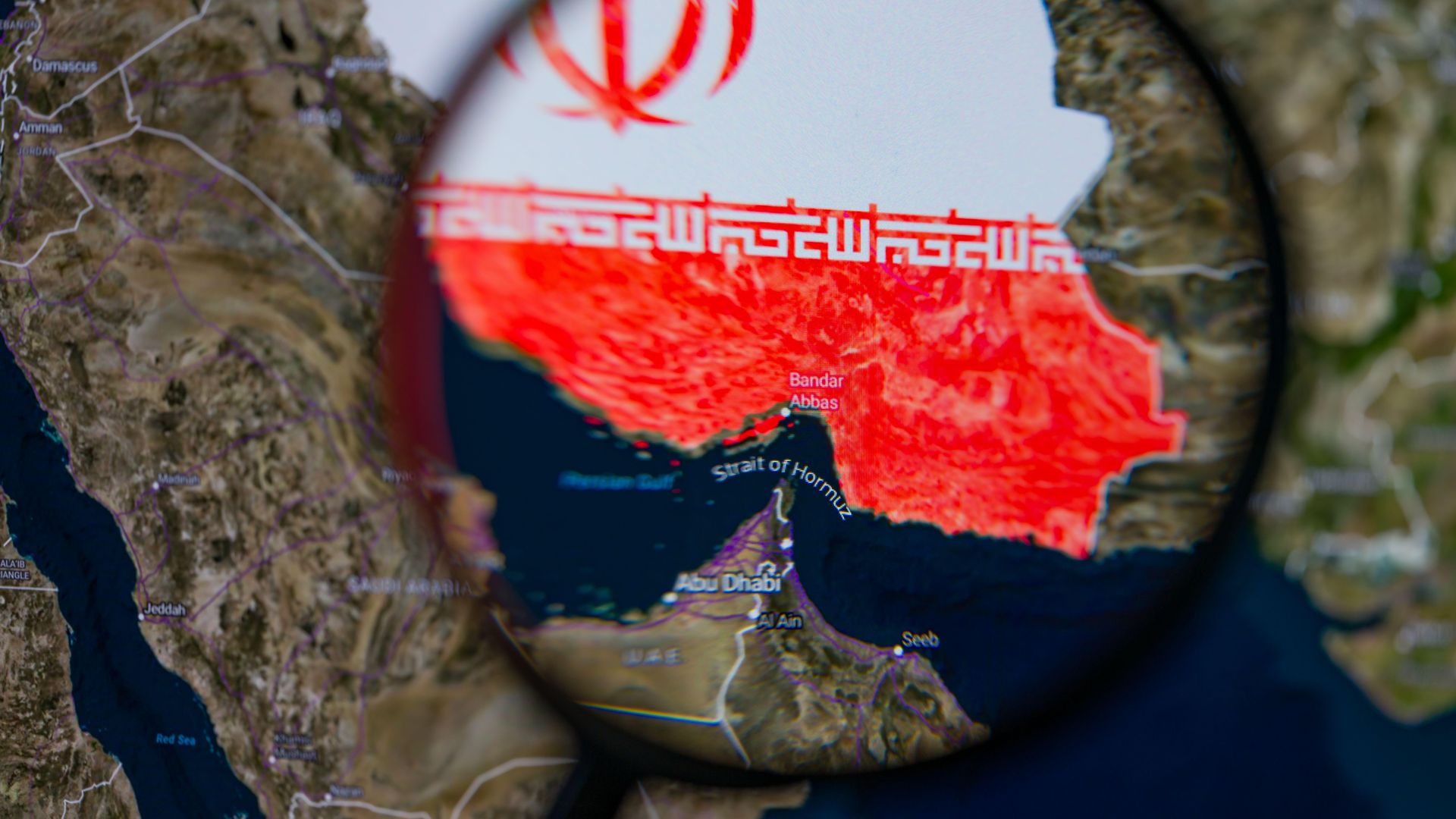
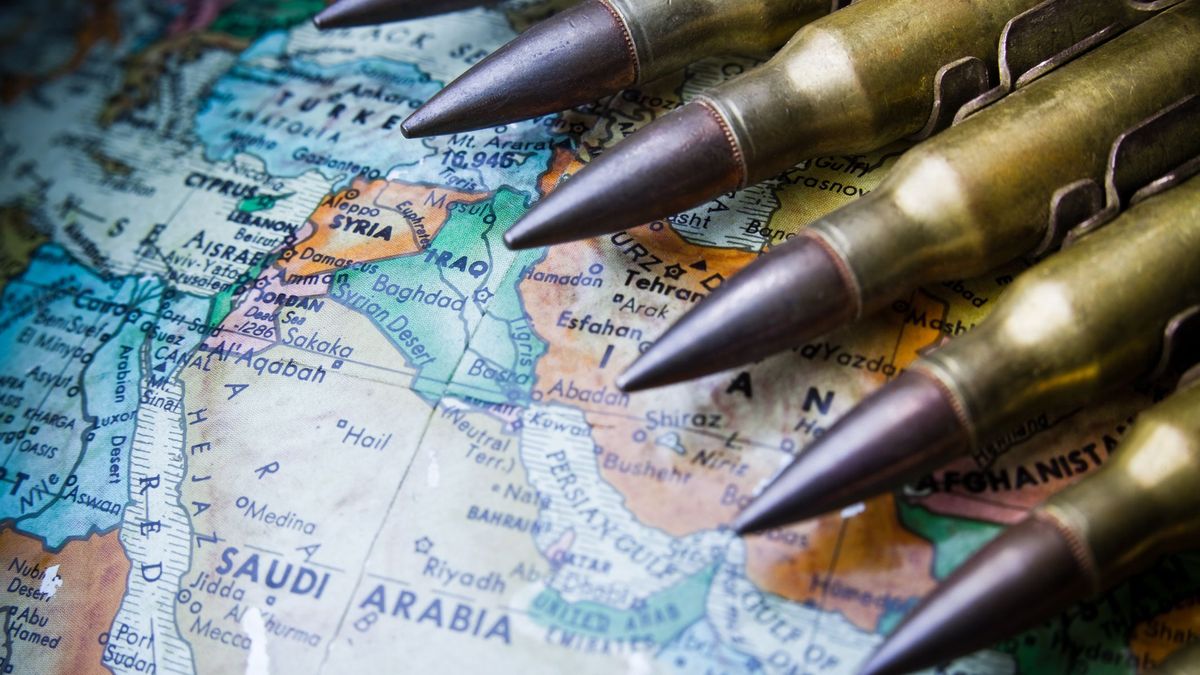















The attention of all thinking representatives of humanity is riveted on the fact of the attack by Israel and the United States on Iran, and this despite the ongoing peace talks on the Iranian nuclear program, mediated by Oman, with further rounds in Muscat and Geneva.
If this conflict escalates further, there's a high probability of it becoming regional in scope, drawing in more and more states in the Middle East and Central Asia. Leaders of Pakistan, Azerbaijan, China, Russia, Turkey, Iraq, Afghanistan, and other countries not directly involved in the conflict but indirectly suffering significant economic losses have already expressed concern. Discontent is also growing in some European countries.
The latest attack on Iranian nuclear facilities is a direct challenge to the Treaty on the Non-Proliferation of Nuclear Weapons (NPT) and the IAEA verification and monitoring system based on it. Washington and Tel Aviv's previously stated goals of completely destroying Iran's nuclear facilities could backfire and lead to Iran acquiring weapons of mass destruction in the near future.
No one can simply distance themselves from this conflict. Too many political, economic, and ideological interests, influencing the fate of the entire world, are intertwined in this particular corner of the globe.
It is becoming clear that another round of armed escalation is fraught with the further undermining of regional and global security, which calls into question the continued existence of Israel as Washington's main ally.
If the Strait of Hormuz remains blocked for a long time, global oil markets will likely collapse and US attempts to exert organized influence on the global economy will be reduced to a minimum.
This is precisely why the increasingly insistent calls in recent days for the need to begin the negotiation process must “fall on fertile ground and bring positive results.”
Every armed conflict, regardless of its duration and intensity, inevitably ends in negotiations and a peace treaty. This dictum by a renowned general, a direct participant in several armed conflicts, is clearly formulated and conveys the tragedy and futility of attempts to resolve existing problems through armed means.
The meaning of the saying reveals the senselessness of prolonging military operations, increasing the number of casualties, increasing grief and destroying the economies of the countries involved in the conflict, if in the end the parties still sit down at the negotiating table.
A reasonable question arises: which country can act as an independent dialogue platform for the rapid normalization of relations between the conflicting parties? This country must be equidistant from all countries involved in the conflict in one way or another. States that previously offered their territory for subsequent rounds of talks on the Iranian nuclear program are now, to varying degrees, unsatisfactory or have discredited themselves in the eyes of the parties.
In particular, the Gulf Arab monarchies, despite official warnings from Tehran, have opened their territory to US military bases and their airspace for missile and air strikes against Iran. Against this backdrop, European countries may also be rejected by the Iranians.
Previously claiming to be neutral regional dialogue platforms, Uzbekistan and Kazakhstan joined Donald Trump's notorious "Peace Council," failed to condemn the barbaric attack on Iran and the mass deaths of civilians, and openly supported the Arab countries where Iran attacked American military bases. A significant obstacle for Tehran is the willingness of these countries to participate in the American-Israeli program in the Gaza Strip.
Iran's leadership officially supports the concept of an independent Palestinian state, opposes the division of the country, recognizes an independent State of Palestine, and rejects the "plan to create two states for two peoples."
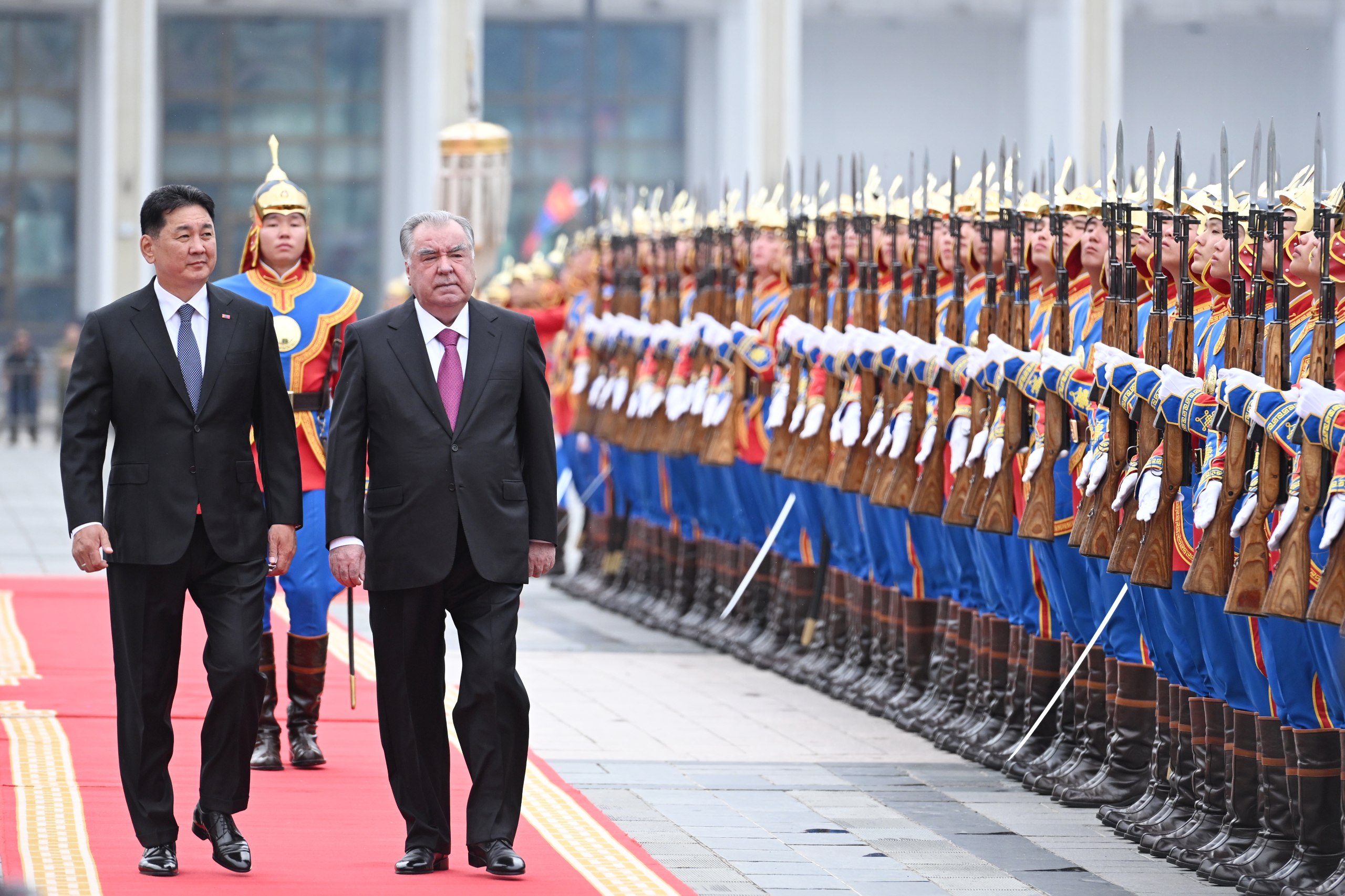
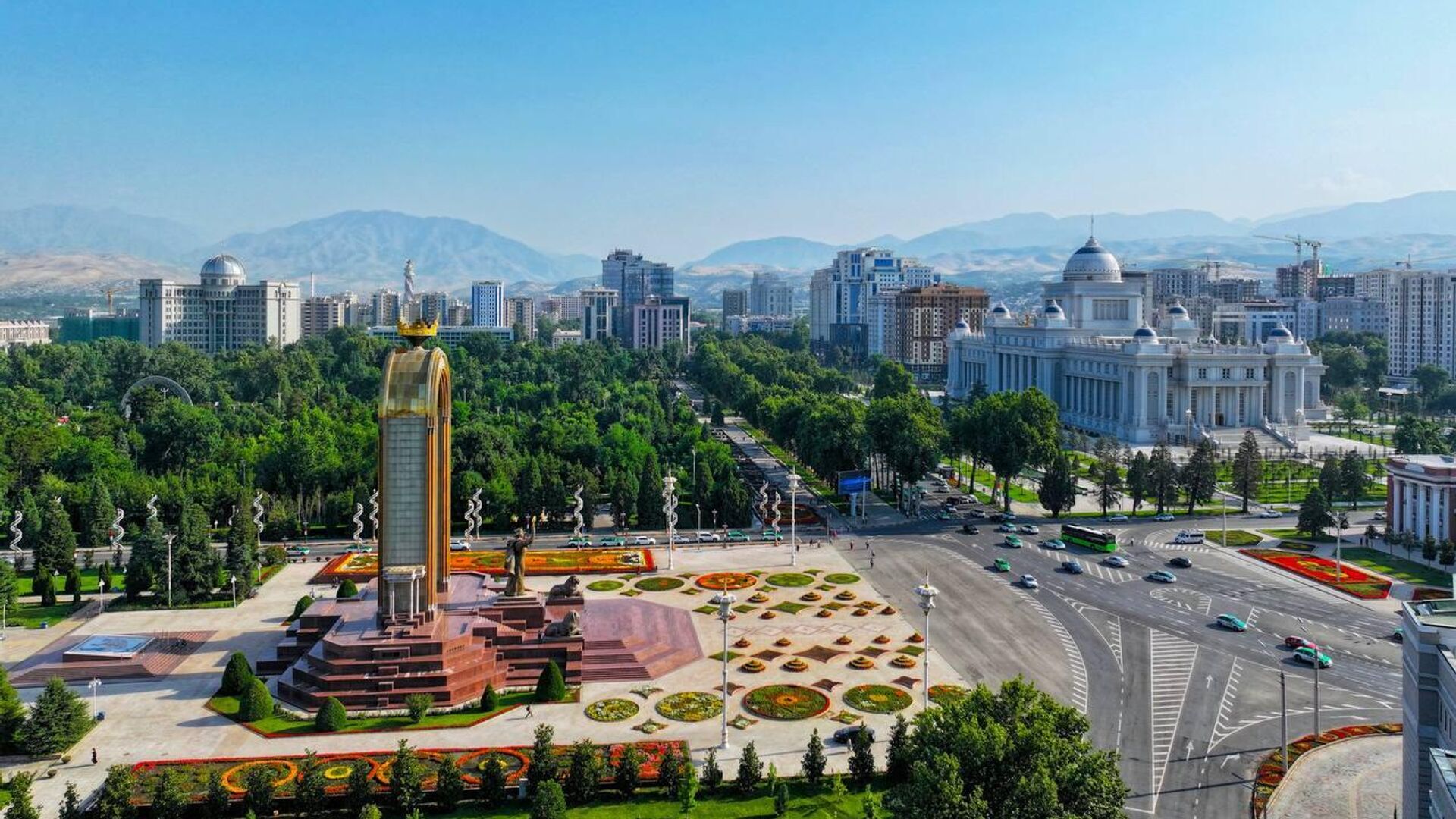
International experts are inclined to believe that, of all the countries in the region, the most acceptable option for Tehran is the capital of Tajikistan, as a negotiating platform equidistant from all direct participants in this conflict.
It is also worth taking into account the fact that Washington “will be forced to take a so-called conciliatory step and a gesture of goodwill” towards Iran after the assassination of Supreme Leader A. Khamenei and numerous civilian casualties.
The following factors support the capital of Tajikistan as a new regional dialogue platform for peaceful conflict resolution: experience in the peaceful resolution of armed conflicts, equidistance from all parties to the conflict and decision-making centers, and deep historical, cultural, religious, and linguistic affinities with Iran.
Tehran is believed to be willing to consider Dushanbe as a mediator in the future. The White House could also "demonstrate its willingness to peacefully resolve the military operation in Iran" ahead of the US-China high-level talks scheduled for April.
The White House administration's readiness for negotiations with Iran is also being influenced by growing dissatisfaction with President Donald Trump's policies in the country and open opposition from influential members of Congress and the US Senate, not only from among Democrats but also from among Republicans.
The world is now on the brink of a global catastrophe!
Leaders of the world's leading countries must make every effort to end the war, and the capital of Tajikistan can facilitate peaceful dialogue between the warring parties, while playing a significant role in resolving the military conflict as a neutral mediator.
K. Asadov,
independent political scientist.
March 12, 2026