Translated with AI









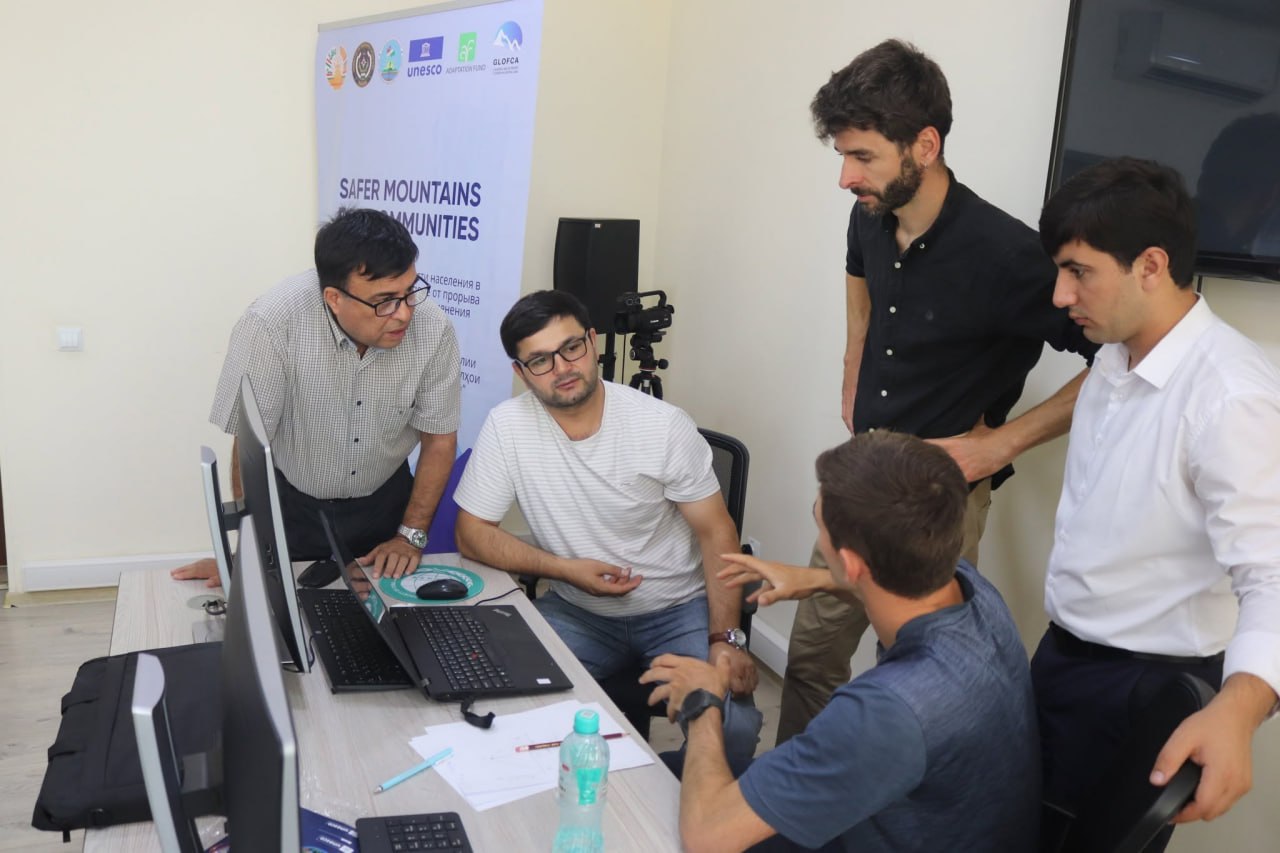














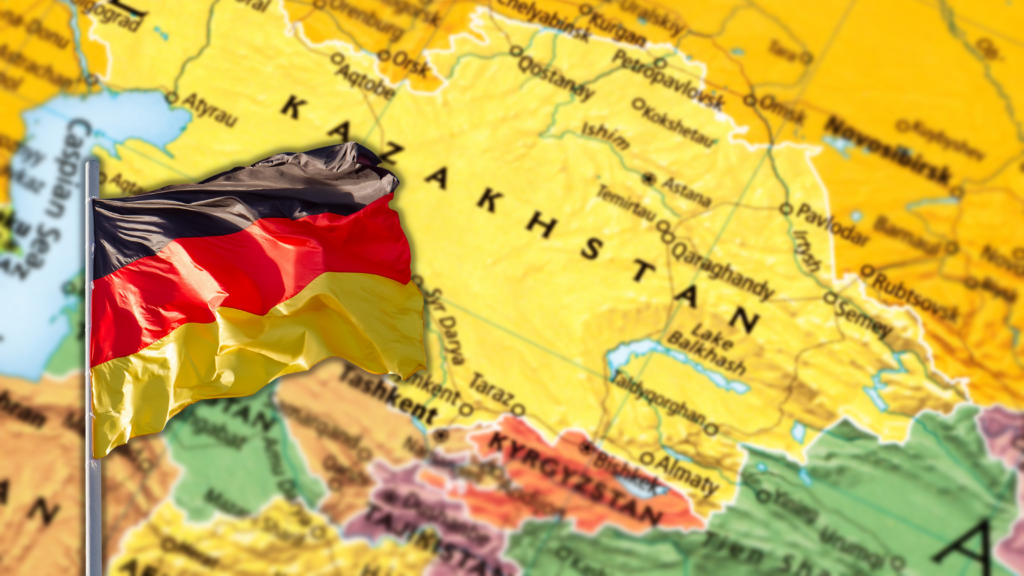
The first Central Asian and German Expert Forum will be held in Khiva on April 16–17, 2026, Fergana.ru reported, citing UzA.
The forum is organized by the Institute for Strategic and Regional Studies under the President of the Republic of Uzbekistan, the Konrad Adenauer Foundation, and the Friedrich Ebert Foundation. More than 50 leading experts are expected to participate, including heads of think tanks, representatives of research and educational institutions, and the business community from Germany and five countries in the region—Kazakhstan, Kyrgyzstan, Tajikistan, Turkmenistan, and Uzbekistan.
The main goal of the meeting is to launch a permanent expert platform that will provide analytical support for the "Central Asia + Germany" format.
The forum's agenda includes issues of deepening political dialogue, developing economic cooperation and industrial partnerships, accelerating digital transformation, and investing in human capital through academic exchanges and organized labor migration.
It is noted that Germany's relations with Central Asia have deep historical roots. In the 19th and 20th centuries, German researchers, engineers, and entrepreneurs were active in the region. Until the mid-20th century, Khiva had a significant German Mennonite community, which lends additional symbolic significance to the upcoming forum.
The current stage of cooperation began after the countries of the region gained independence in the 1990s. Germany became one of the first European partners, opening an embassy in Tashkent in 1992.
A qualitative stage in the development of cooperation occurred in 2023, when Berlin initiated a strategic regional partnership in the C5+1 format – cooperation between the five Central Asian countries and Germany.
Cooperation within this format covers four key areas: economics, energy, and critical raw materials; regional cooperation and sustainability; climate and the environment; and the development of direct contacts between people.
In 2023, the first summit was held in Berlin, and in 2024, the second summit was held in Astana. In February 2026, the first-ever ministerial meeting of the C5+1 format was held in Berlin, resulting in the adoption of the Berlin Declaration, which solidified the parties' commitment to further strengthening cooperation based on shared values and mutual interests.
For Germany, Central Asia is gaining strategic importance amid geopolitical changes. The region is seen as a source of critical minerals, an energy supplier, and a key transit hub of the "Middle Corridor" connecting Europe and Asia.
Particular attention is paid to the development of green energy and issues of compliance with sanctions regimes.
The launch of a permanent expert platform in Khiva will enable analysts and practitioners to develop recommendations for policymakers and businesses, as well as coordinate positions on key challenges, including climate change, digitalization, and migration policy.
Experts estimate that this will be a step toward transforming the C5+1 format from a diplomatic platform into a mechanism for long-term strategic partnership.