Translated with AI







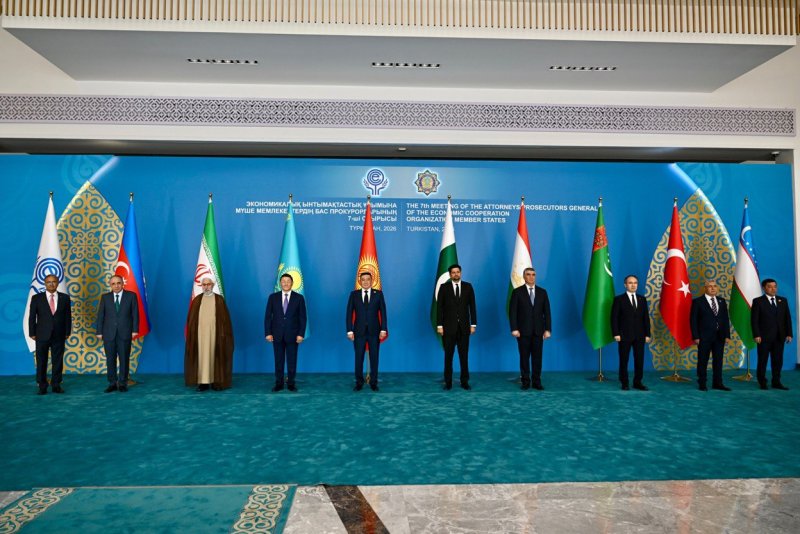










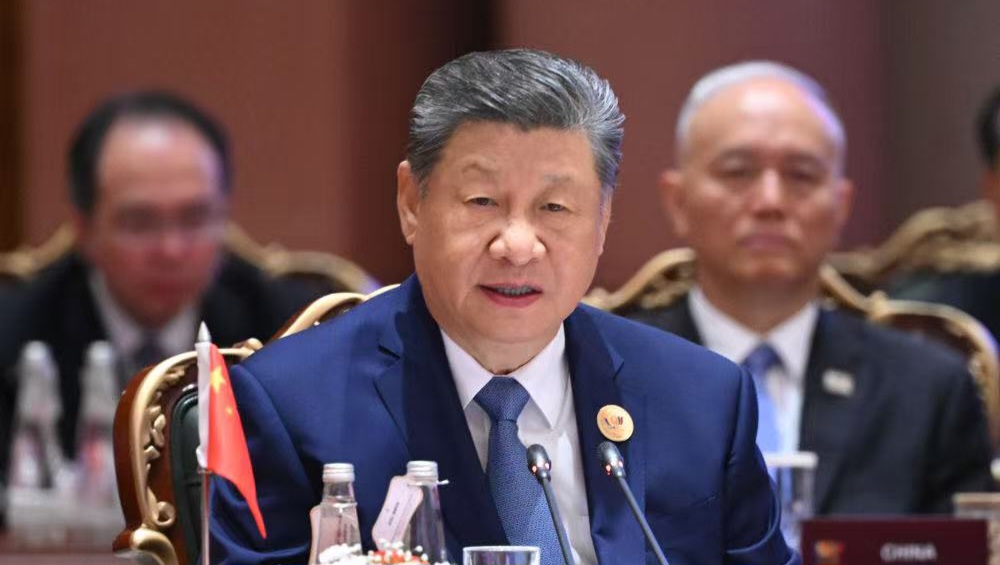






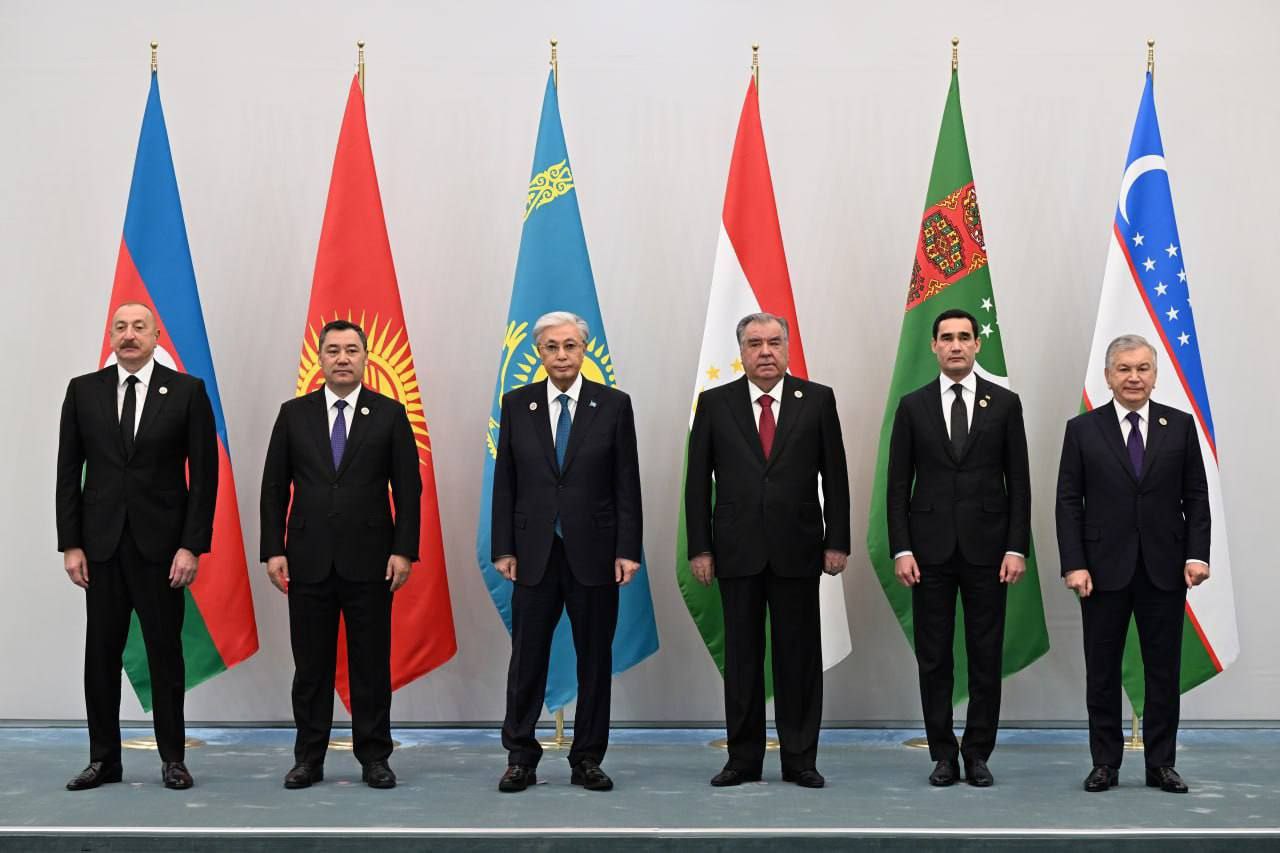
The Consultative Meeting of the Heads of State of Central Asia, held in November 2025 in Tashkent, became one of the most significant events in regional politics in recent years. The summit's outcomes demonstrated the growing desire of Central Asian countries for closer and more systemic cooperation and strengthened Uzbekistan's position as a key initiator and coordinator of integration processes.
One of the key outcomes of the Tashkent meeting was Azerbaijan's official accession to the consultative format. This decision not only expanded the platform's geographic scope but also effectively linked Central Asia with the Caspian region. Baku's participation strengthens the transport, energy, and trade corridors running through the region and elevates the status of the meetings to a new political level.
Tashkent, as the host country, demonstrated its ability to create an inclusive diplomatic architecture that unites the interests of neighboring countries and expands the space for regional cooperation.
The key political focus of the summit was the Uzbek President's proposal to transform the current consultative format into a full-fledged organization— the Community of Central Asia . This initiative envisions the formation of common institutions:
– rotational secretariat,
– Council of Elders,
– a strengthened mechanism of national coordinators.
The proposal effectively signifies a move toward institutionalizing regional cooperation—a transition from isolated meetings to a sustainable mechanism for policy coordination and joint decision-making. Such an architecture could become the foundation of a long-term integration model.
Significant attention was given to economic priorities. The leaders outlined the goal of creating a single economic space by 2035. Key areas included:
– growth of mutual trade and mutual investments,
– development of transport and logistics corridors, including large-scale railway projects,
– modernization of digital and electronic infrastructure.
Central Asia is striving to strengthen its role as a key transit hub between Europe, China, and South Asia. In this context, Tashkent is actively promoting the synchronization of infrastructure projects and the creation of favorable conditions for business.
The approval of the Regional Security Concept for 2026–2028 was another important outcome of the meeting. The document covers a wide range of threats, from transnational crime to potential political and humanitarian crises.
Particular attention was paid to:
– stabilization of the situation in Afghanistan,
– joint fight against extremism and illegal trafficking,
– expanding cooperation between intelligence services and security structures.
These decisions reflect an understanding of shared risks and the need for a collective response—an approach that Tashkent has consistently supported in recent years.
The Tashkent summit was an important confirmation of Uzbekistan's growing role as a central player in regional diplomacy. By promoting initiatives to deepen integration, stimulating economic rapprochement, and strengthening collective security mechanisms, Tashkent is effectively shaping a new agenda for cooperation in Central Asia.
The region is entering a stage of more mature and systemic cooperation—and Uzbekistan is one of its key architects.