Translated with AI
































Discussions about the possible deployment of an international military contingent on Ukrainian territory after the conflict is over are intensifying, according to diplomatic sources in the European Union, according to Radio Liberty.
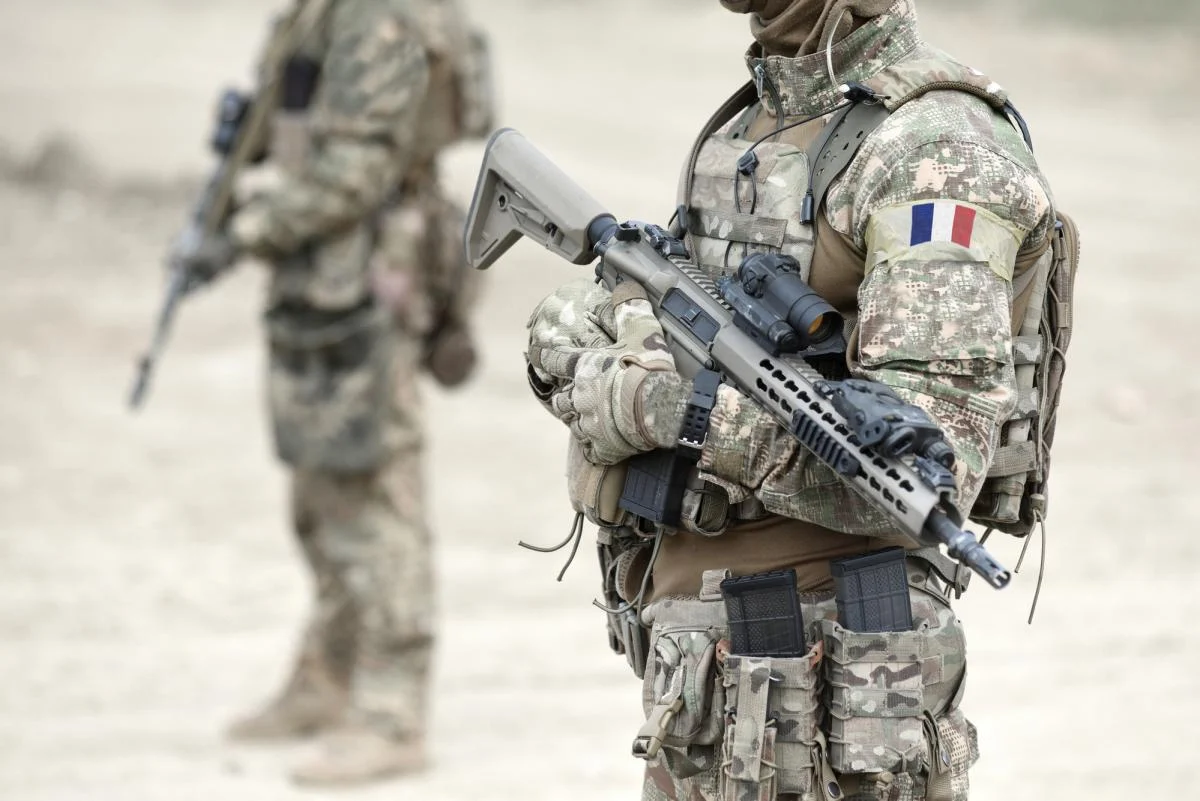
According to their data, a meeting of the so-called "coalition of the willing" took place in Paris on September 4 to discuss security guarantees for Ukraine. More than 20 countries made specific commitments of support, 10 of which expressed their willingness to send troops to Ukraine after the end of hostilities. These included the United Kingdom, France, the Nordic countries, the Baltic states, the Netherlands, and Australia.
Meanwhile, Germany has not yet decided on its position, as participation in such a mission requires parliamentary approval. Poland also does not plan to send troops, but, according to sources, could become a logistics hub for Western forces.
The US role in the future mission remains unclear. Providing intelligence and air support is being considered. Turkey intends to play a leading role at sea, while the UK and France will focus on land missions.
Preliminary estimates place the contingent's size at 25,000–30,000 troops, but these parameters are still being finalized. The mission's final objectives have not been finalized: it may be limited to training Ukrainian troops and maintaining a presence in several major cities. The question of a possible response to Russia's provocations also remains open.
French President Emmanuel Macron previously announced that 26 countries had expressed their willingness to send troops or provide financial support for the peacekeeping mission in Ukraine. "These forces are not intended to wage military action against Russia, but to guarantee peace and prevent a resumption of conflict," the French leader noted.