Translated with AI






























The United Nations Children's Fund (UNICEF) has unveiled a six-month, $22 million humanitarian response plan for Afghanistan. It aims to provide assistance to 400,000 people, including more than 212,000 children, affected by the devastating earthquakes in Kunar and Nangarhar provinces, the UN press service reported .
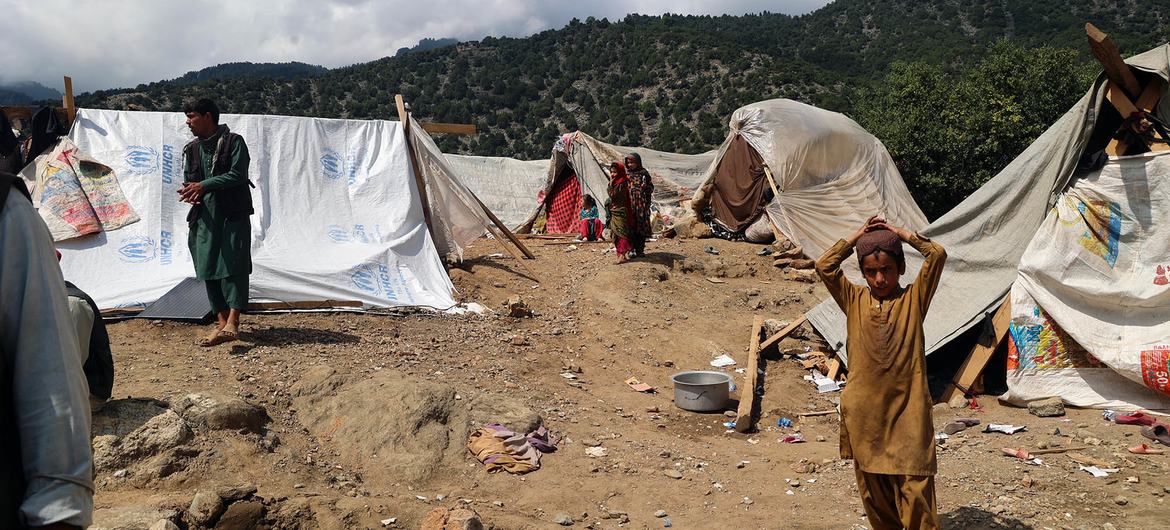
On August 31, an earthquake measuring over 6.0 magnitude struck these regions, followed by strong aftershocks. The disaster killed more than 2,200 people, injured over 3,000, and completely or partially destroyed at least 6,700 homes. Survivors, many of whom live in remote mountainous areas with limited infrastructure, face serious risks as winter approaches and temperatures plummet.
"Geographical isolation, poor infrastructure, and deeply ingrained social norms make this one of the most challenging humanitarian operations we've ever faced," said Dr. Tajudeen Oyewale, UNICEF Representative in Afghanistan. "Despite the challenges, we've been working from the very beginning, providing medical care, access to clean water, psychosocial support, and the delivery of life-saving supplies to children and their families. But this isn't enough. We call on the international community to support these communities and help protect children before the harsh winter sets in."
UNICEF's six-month plan includes emergency medical assistance, restoration of water supply systems and installation of temporary water points to prevent outbreaks of acute diarrhea, repair of sanitation facilities in schools and health centers, distribution of hygiene products, and screening and treatment of children with signs of acute malnutrition. In addition, cash assistance is planned for 13,200 families in greatest need.
To ensure uninterrupted learning for children, temporary classrooms are planned until the damaged schools are rebuilt. As part of its psychosocial support, UNICEF will establish special spaces for children and increase the number of social workers, including women, to ensure safe access to assistance.
The affected areas are among the most difficult to access in Afghanistan. Mountainous terrain, limited roads, and traditional norms that restrict the movement of women and girls significantly complicate the delivery of humanitarian aid. Therefore, special attention is being paid to the involvement of female medical professionals and social workers.
Many families have already relocated to more accessible valleys, where humanitarian organizations can more effectively provide shelter, food, clean water, and psychological support. However, with winter approaching, it is crucial to scale up the humanitarian response.
UNICEF is calling on donors and international partners to act urgently. Only with adequate funding will the organization be able to address both the immediate and long-term needs of children and families affected by the devastating earthquake.