Translated with AI
































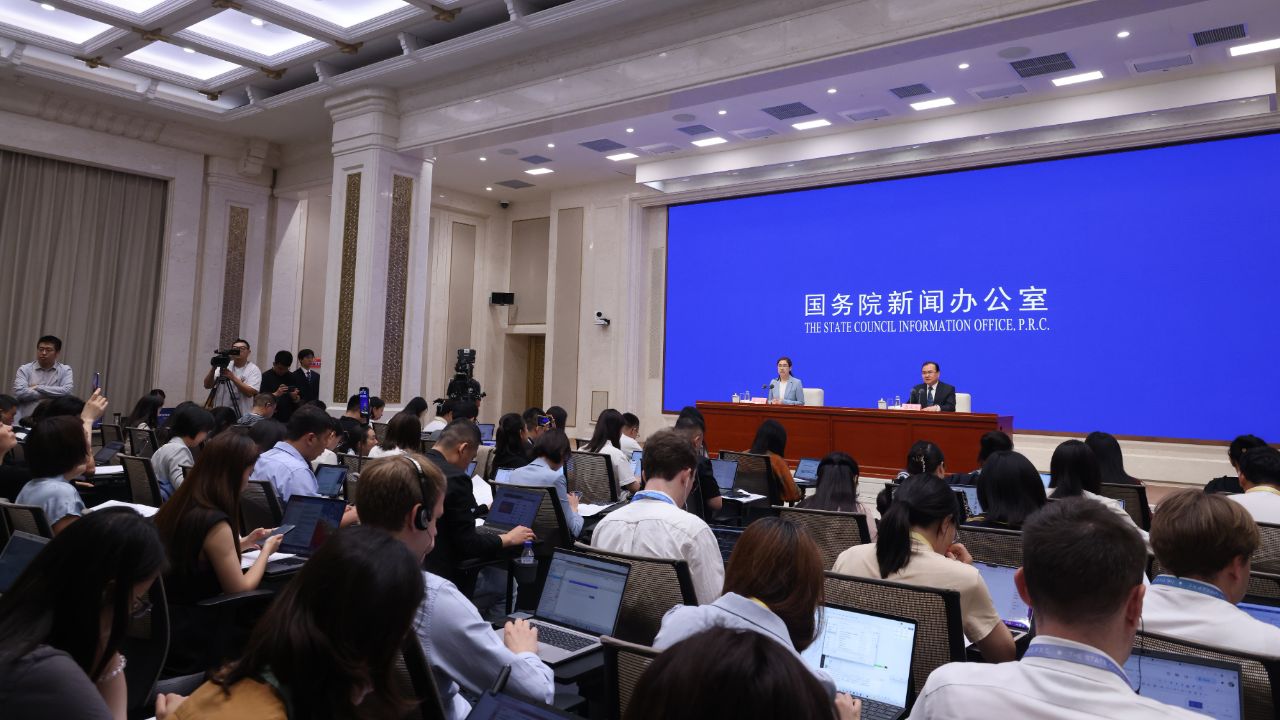
China's GDP grew by 5.3 percent in the first half of the year, according to data released by the National Bureau of Statistics on July 15. The growth rate was higher than the "around five percent" target set for 2025.
Industrial production traditionally remained the leader in development, with growth of 6.4%. Investors demonstrated confidence in the industrial sector, increasing investments in it by 7.5% year-on-year.
The production of 3D printers (43.1%) and industrial robots (35.6%) showed particularly high growth rates in January-June. The production of cars on new energy sources demonstrated traditionally high growth rates: 41.4%. During the reporting period, 6.97 million "green" cars rolled off the assembly lines, 6.94 million were sold. Thus, the average weighted monthly production and sales volumes of cars on new energy sources exceeded the psychologically important level of 1 million units.
The growth rate of the services sector in the first half of the year was 5.5%. The software industry grew especially fast: 11.1% year-on-year. The warehouse, postal and transport services sector demonstrated good results of 6.4%. Express delivery services were doing well. By July 9, 100 billion express parcels had been sent across the country, a milestone that was surpassed 35 days earlier than in 2004.
The development of express deliveries was facilitated by a good growth of 6% in online trade. In general, the growth rate of retail in the first half of the year was 5%. The growth of consumption was stimulated by the state campaign, which has been conducted for the second year, to subsidize the renewal of the vehicle fleet, household and computer equipment, within the framework of which the consumer is compensated for up to 15% of the cost of a new product. This year, 300 billion yuan were allocated for the campaign. Of this, 162 billion had been spent by the end of the first half of the year, and the volume of transactions made within the framework of the campaign reached 1.4 trillion yuan. Thus, the multiplier effect of state measures to stimulate consumption reaches 8.6.
In particular, the government's measures to subsidize the renewal of the fleet of electric scooters popular in China have demonstrated high efficiency. According to the Ministry of Commerce of the People's Republic of China, in the first half of the year, sales of electric mopeds under this program grew by 113.5% per month. By the beginning of July, about 8.5 million new electric scooters had been sold, which is 6.1 times more than in the whole of 2024.
In the near future, consumption will continue to grow against the backdrop of the holiday season, which lasts from July 1 to September 1. According to tour operators, the volume of bookings for tours for this period has increased by 30% compared to last year. During the holiday period, 4,300 festivals are planned in cities and villages of the PRC, and to stimulate consumption, cities have allocated 570 million yuan to issue gift and discount coupons. The resort of Hainan alone has allocated 40 million (5.5 million dollars) for these purposes. Each tourist will be able to receive consumer subsidies of up to 3,000 yuan.
At the same time, the authorities understand that it is impossible to stimulate consumption forever through state subsidies. Ensuring an adequate level of employment and combating unemployment is considered a guarantor of normal development of demand and consumption. Serious efforts will have to be made in this direction: after graduation this summer, the labor market will be replenished by 12.22 million young university graduates who urgently need to be employed.
In response to the challenge, the State Council of the People's Republic of China issued another circular on July 9 with a list of measures to stabilize employment. Among the main steps is a nationwide campaign to improve the skills or professional retraining of personnel experiencing difficulties in finding work. The decision is already being implemented. Thus, the country's universities promptly introduced express training courses for specialists in 60 relevant areas of activity.
Financial incentives are also envisaged for companies that hire and do not lay off workers. Thus, a one-time subsidy payment has been introduced for companies hiring people aged 16 to 24. For small and medium-sized companies, the amount of refund of insurance premiums for mandatory pension insurance of employees has been increased to 90%. For companies experiencing financial difficulties, a deferral of contributions for all types of employee insurance has been introduced.
A major victory for the Chinese economy in the first half of the year can be called the confident development of foreign trade despite the new round of trade conflict unleashed by the United States. The volume of Chinese foreign trade increased by 2.9% in the first half of the year, according to statistics published by the General Administration of Customs of the People's Republic of China on July 14.
The unfavorable external situation had a negative impact on imports, which fell by 2.7%. However, exports for the reporting period increased by 7.2%. China more than compensated for the 9.3% drop in trade with the United States by growing trade with its largest trading partner today: the Association of Southeast Asian Nations. Trade with ASEAN countries grew by 9.6%. In particular, with Thailand – by 18.7%, with Indonesia – by 13.1%, with Vietnam – by 11.7%. The number of enterprises engaged in foreign trade in China exceeded the 600 thousand mark for the first time, reaching 628 thousand with an increase of 43 thousand over the past 12 months.
The half-year report instills confidence that China is capable of fulfilling and exceeding the planned GDP growth rate this year of “around 5 percent.” By the end of the year, China’s gross domestic product will exceed the psychologically important threshold of 140 trillion yuan. A successful end to the year will be the final chord of the 14th Five-Year Plan, the results of which the central authorities are already beginning to summarize. According to the latest data from the State Council of the People’s Republic of China, the outgoing five-year plan has been successful overall.
It was stated, in particular, that following its results, the national GDP will increase by at least 35 trillion yuan in annual terms. The calculation is very modest. According to the State Statistics Service, in the last year of the previous – 13th – five-year plan, China's GDP reached 101 trillion 598 billion, and in 2024 it already amounted to 134.9 trillion. If the planned growth indicators are met this year, it will reach 141.6 trillion. That is, following the results of the five-year plan, the country will increase its GDP by approximately 40 trillion.
The average weighted growth rate of the Chinese economy over the outgoing five-year period will be 5.5%, and China's contribution to the development of the global economy will remain at 30%.
Konstantin Shchepin