Translated with AI





























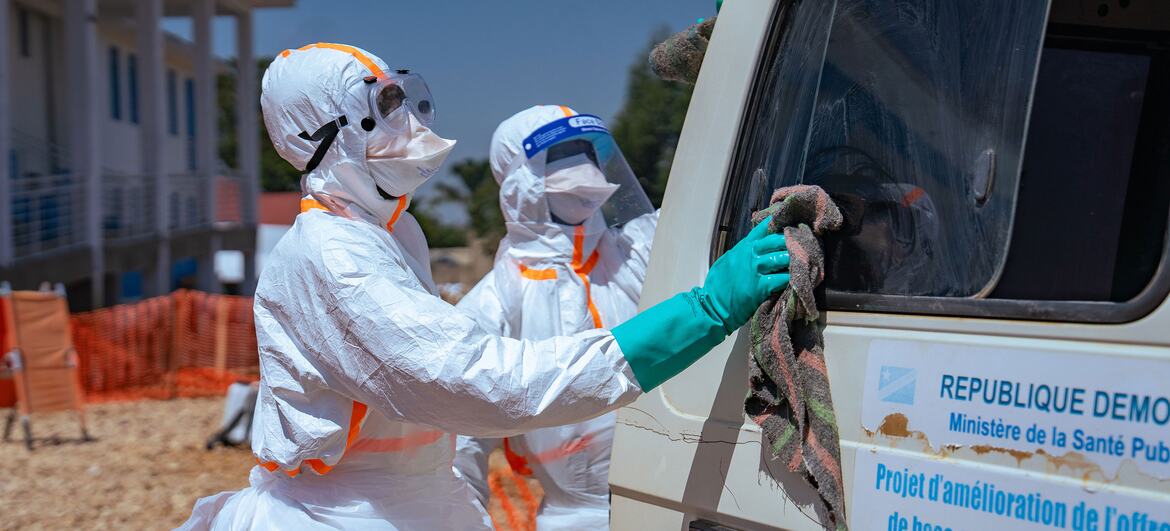
The World Health Organization (WHO) has announced that the Ebola outbreak in the Democratic Republic of Congo (DRC) continues to spread rapidly and has already become the third-largest on record. According to the organization, 2,073 cases and 796 deaths have been recorded in the two months since the epidemic was declared.
According to the WHO, the current outbreak is caused by the Bundibugyo virus. Its spread over the past month has surpassed all previous Ebola epidemics. By comparison, during the 2018–2019 outbreak in the Democratic Republic of the Congo, the number of confirmed cases reached 2,000 only more than ten months after its onset.
The most challenging epidemiological situation remains in Ituri province. More than 80% of new cases are being identified among people not previously included in contact lists. Experts estimate this indicates the existence of a large number of unknown transmission chains.
The high mortality rate outside of healthcare facilities is particularly concerning. About two-thirds of those who die do not receive the necessary medical care, as they die before reaching a healthcare facility.
WHO, together with the national centres for disease control and prevention and other international partners, is supporting the authorities of the DR Congo in scaling up their response to the outbreak.
During the epidemic response, the number of patient treatment beds has increased to over 800 , and the number of diagnostic laboratories has grown from one to 16. The percentage of contacts identified and under surveillance has approached 80% . Furthermore, over 21,000 community workers involved in epidemic response efforts have been trained.
There are currently no approved vaccines or treatments for Ebola caused by the Bundibugyo virus. However, clinical trials of promising drugs are ongoing in the country. In early July, researchers began a study of the efficacy of the monoclonal antibody MBP134 and the antiviral drug remdesivir . The first safety study of the experimental vaccine ChAdOx1 , led by the University of Oxford, has also begun. Scientists are also exploring the use of the antiviral drug obeldesivir for prophylaxis in people exposed to infected individuals.
Despite the lack of registered treatments, 377 patients have already recovered. The WHO emphasizes that timely diagnosis and early medical care significantly increase the likelihood of a favorable outcome.
The armed conflict in the country remains a serious obstacle to the fight against the epidemic, hindering access for medical workers to affected areas and hampering the expansion of anti-epidemic measures. The day before, a treatment center in the city of Bunia was attacked.
The organization notes that key tasks remain strengthening epidemiological surveillance, ensuring safe burial of the dead, improving the quality of treatment, and actively engaging with local communities. At the same time, the WHO is expanding its response in provinces where the virus has recently spread to prevent the formation of new persistent outbreaks.
Meanwhile, the WHO and national centers for disease control and prevention (NCDC) remain over $400 million short of implementing the joint plan. The organization emphasized that providing the necessary funding is not charity, but an investment in national security, and called on international donors to urgently allocate the necessary funds.