Translated with AI

































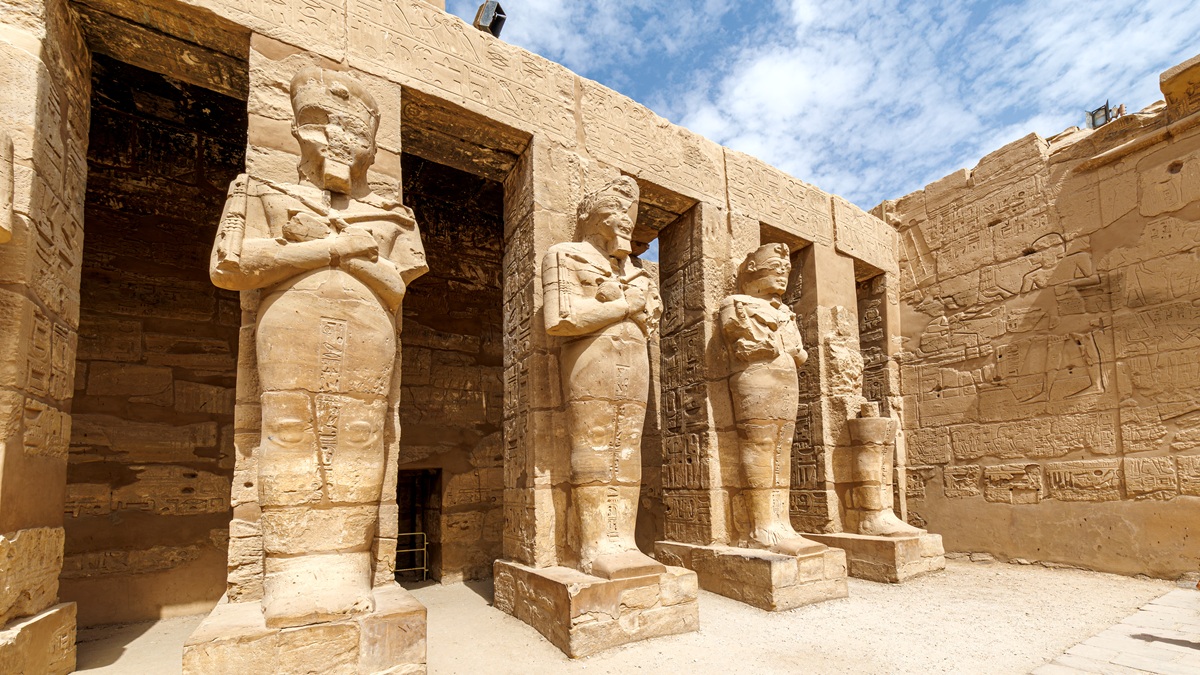
An archaeological mission from Leiden University has discovered a new tomb on the west bank of Luxor, dating back to the Ramesside period and dating back to approximately 3,000 years ago. The discovery was made in the Sheikh Abd el-Qurna necropolis, Interfax reports.
According to the Egyptian Ministry of Tourism and Antiquities, the tomb belonged to a man named Paser and dates back to the 19th and 20th Dynasties of Ancient Egypt. It is located east of a previously known burial complex and follows a layout typical of private Theban tombs of the New Kingdom.
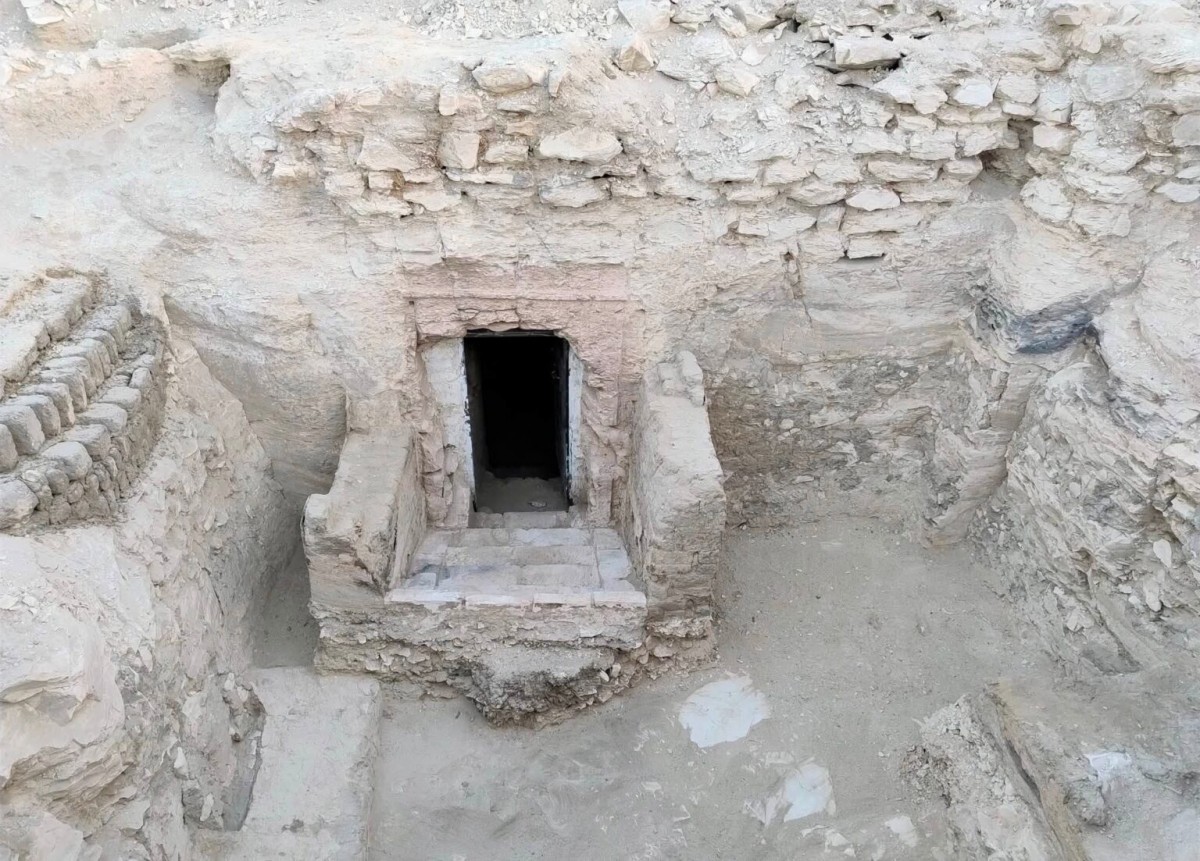
The complex includes an open courtyard, a chapel shaped like an inverted T, and underground burial chambers. Architectural elements have been preserved in the courtyard, including a clay-and-brick bench for the stele and a staircase with inclined ramps.
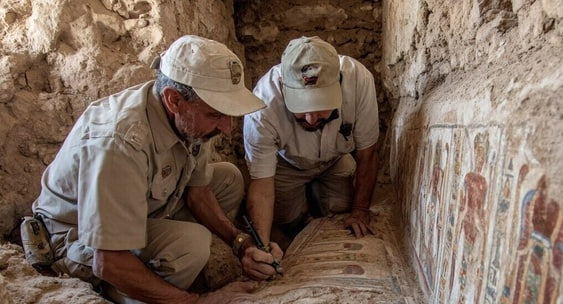
On the chapel walls, archaeologists discovered inscriptions with Paser's name, as well as images of him worshiping the gods and depicted with his wife before an offering table. Experts are currently continuing to document the find and study the burial complex.
Egyptian authorities hope that new archaeological discoveries will boost the tourism industry. An archaeological project in the Luxor region has been underway since 2018. Since then, other significant discoveries have been made in the region, including the completion of the restoration of one of the major pharaonic tombs, which has reopened to visitors. Furthermore, earlier this year, artifacts dating back over 2,300 years were discovered in a Greco-Roman cemetery in Beheira Governorate.