Translated with AI









The UN General Assembly will elect five new non-permanent members of the Security Council on Wednesday for a two-year term beginning on January 1, 2027, and ending on December 31, 2028, the UN press service reported.
In accordance with the principle of regional distribution, representatives will be elected from the African Group, the Asia-Pacific Group, the Latin American and Caribbean States Group, and two representatives from the Western European and Other States Group.
The Eastern European group is not participating in the elections this year, as there is no place for it in the current regional rotation.
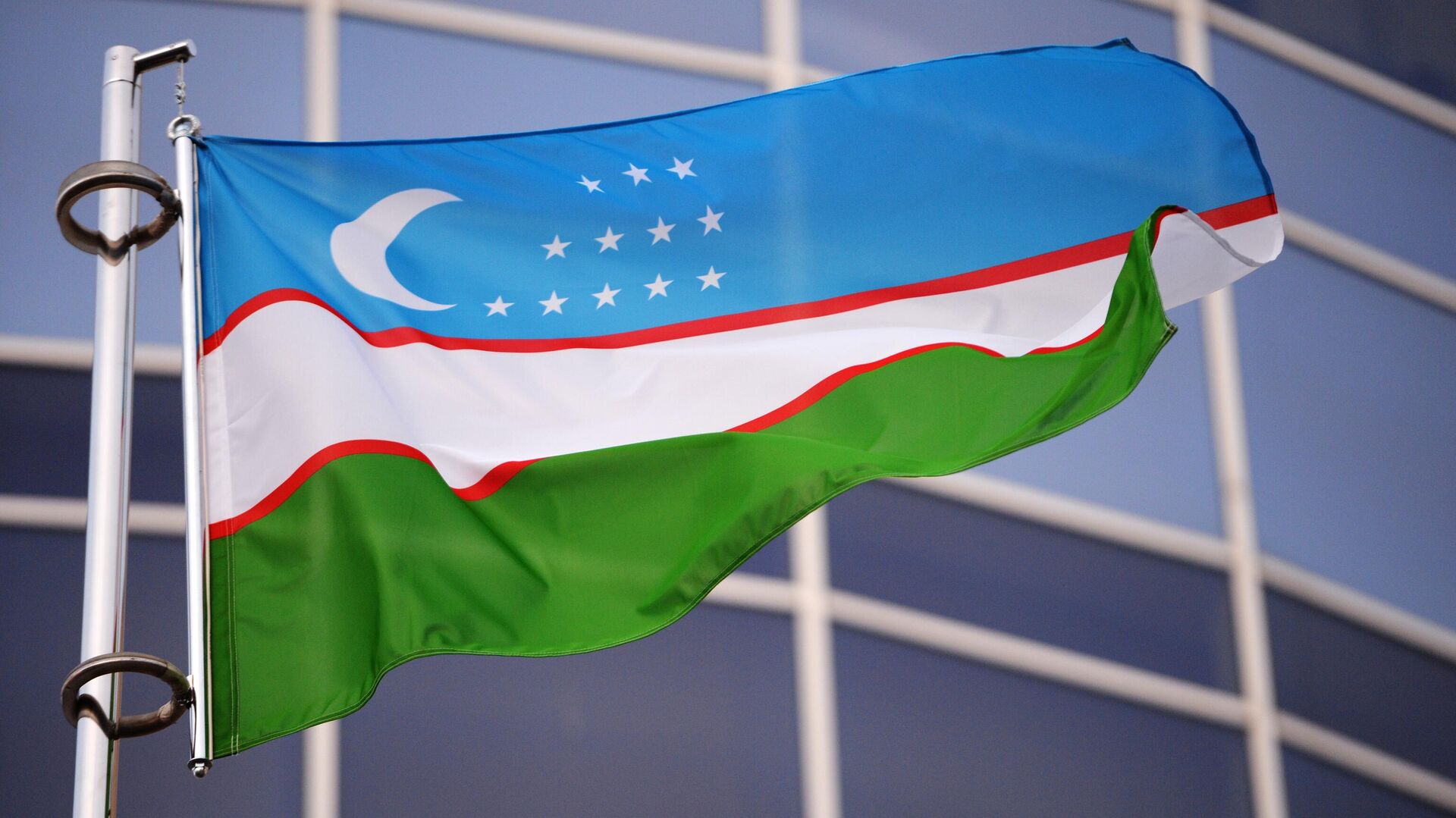
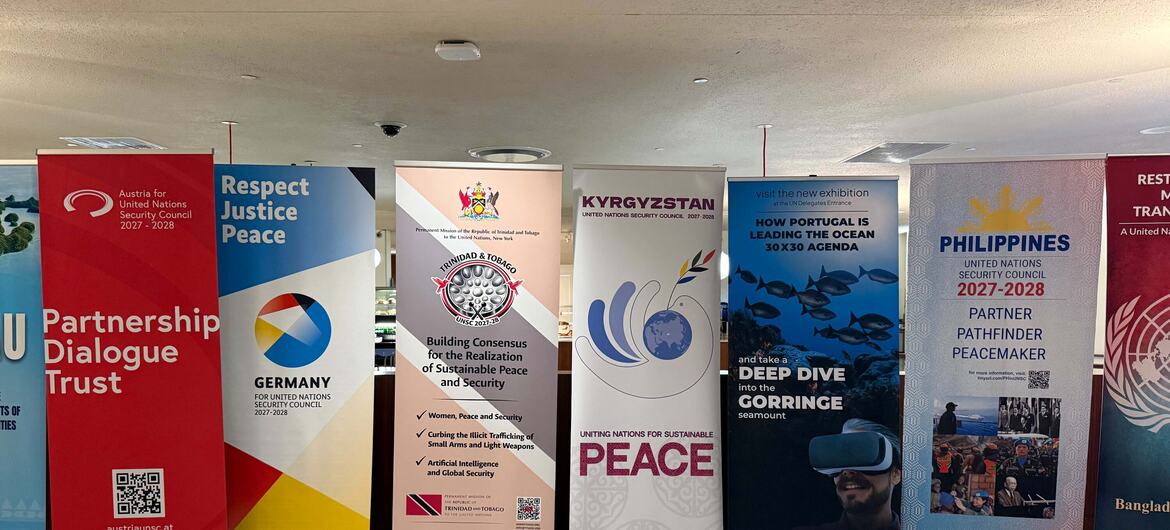
Seven countries are vying for five seats on the Security Council. Austria, Germany, and Portugal will compete for two seats from the Western European and Other States Group. Kyrgyzstan and the Philippines are vying for one seat from the Asia-Pacific Group. Trinidad and Tobago and Zimbabwe are the only candidates for the seats allocated to their regional groups.
If elected, Kyrgyzstan will become a member of the UN Security Council for the first time. Furthermore, it will be the first time in nearly ten years that a representative from Central Asia will serve on the Council.
Experts estimate that Kyrgyzstan's election could increase attention to the situation in Afghanistan and issues of regional stability.
If the Philippines is elected to the Security Council, it will again represent the voice of Southeast Asian states, which could facilitate more active discussions on the situation in Myanmar, maritime security issues, and regional cooperation.
The UN Security Council consists of 15 states. Five countries—the United Kingdom, China, Russia, the United States, and France—are permanent members and have veto power. The remaining ten states are elected for two-year terms.
At the end of 2026, the terms of five non-permanent members of the Security Council—Greece, Denmark, Pakistan, Panama, and Somalia—expire.
The Security Council bears primary responsibility for the maintenance of international peace and security. This body determines the existence of threats to peace or acts of aggression, recommends methods for conflict resolution, and recommends conditions for their resolution.
In individual cases, the Security Council may impose sanctions or authorize the use of force to maintain or restore international peace and security.
The new members of the Security Council will have to work amid persistent disagreements among the permanent members on a number of international crises. These differences continue to complicate decision-making on matters of international peace and security.