Translated with AI


































The management of the National Bank of Tajikistan held a meeting with experts from the International Monetary Fund, during which the parties discussed improving the risk management system and further developing cooperation in the financial sector, the National Bank's press department reported.
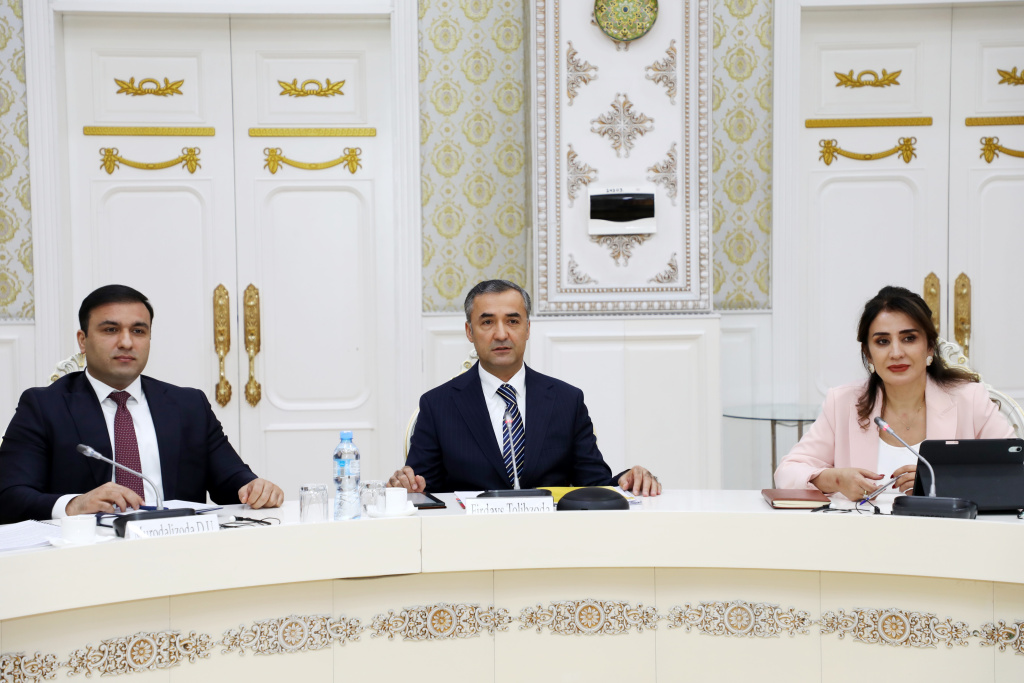
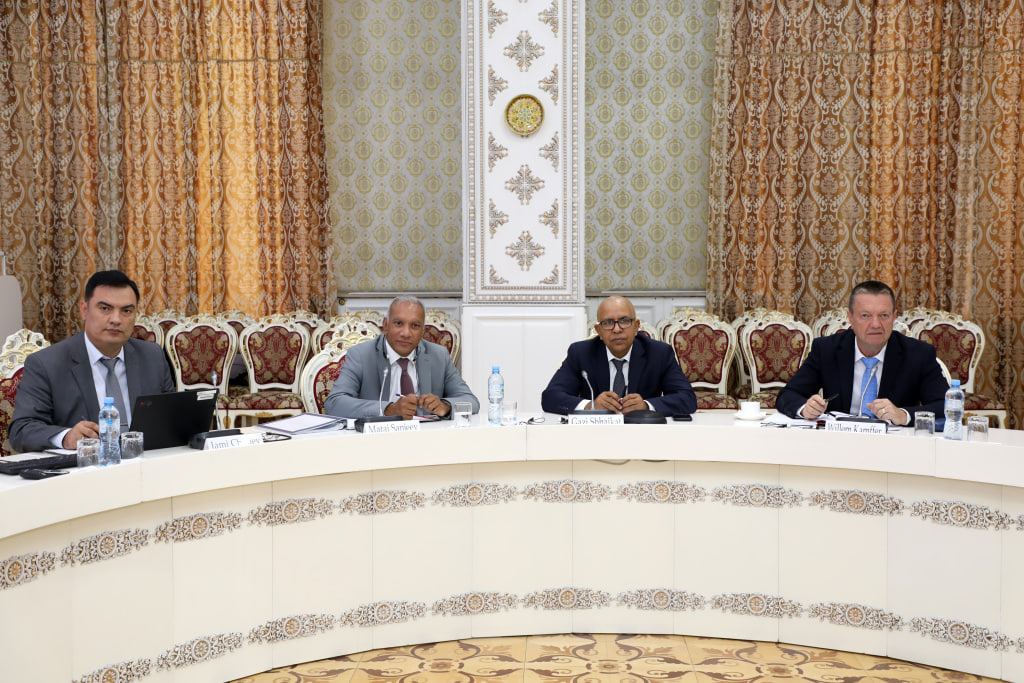
During the meeting, participants exchanged views on the assessment of the National Bank of Tajikistan's risk management activities and regulatory framework. Particular attention was paid to the practical assessment of the NBT's Risk Management Policy, improving the operational risk management system, and developing a Risk Appetite Framework and key operational risk indicators (KRIs).
The parties also discussed ways to reduce the impact of potential risks on the activities of the National Bank of Tajikistan and issues of bringing risk management mechanisms into line with international standards.
Chairman of the National Bank of Tajikistan Firdavs Tolibzoda expressed satisfaction with the productive and multifaceted cooperation between the International Monetary Fund and the National Bank of Tajikistan aimed at developing a risk management system.
According to him, the National Bank of Tajikistan is taking timely measures to improve its risk management system, implement best international practices, and expand cooperation with international financial organizations.
Firdavs Tolibzoda noted that the use of modern risk assessment and control indicators is essential for improving the efficiency of the banking system, ensuring financial stability, and preventing the negative impact of potential risks. He also emphasized that the recommendations of International Monetary Fund experts will contribute to further strengthening financial stability and improving the modern risk management system at the National Bank of Tajikistan.
In turn, Sanjeev Mathai, head of the International Monetary Fund expert delegation, confirmed their readiness to expand mutually beneficial cooperation in risk analysis and management. According to him, collaboration could cover operational risks, compliance systems, correspondent risks, cybersecurity, information technology, and other related areas.