Translated with AI















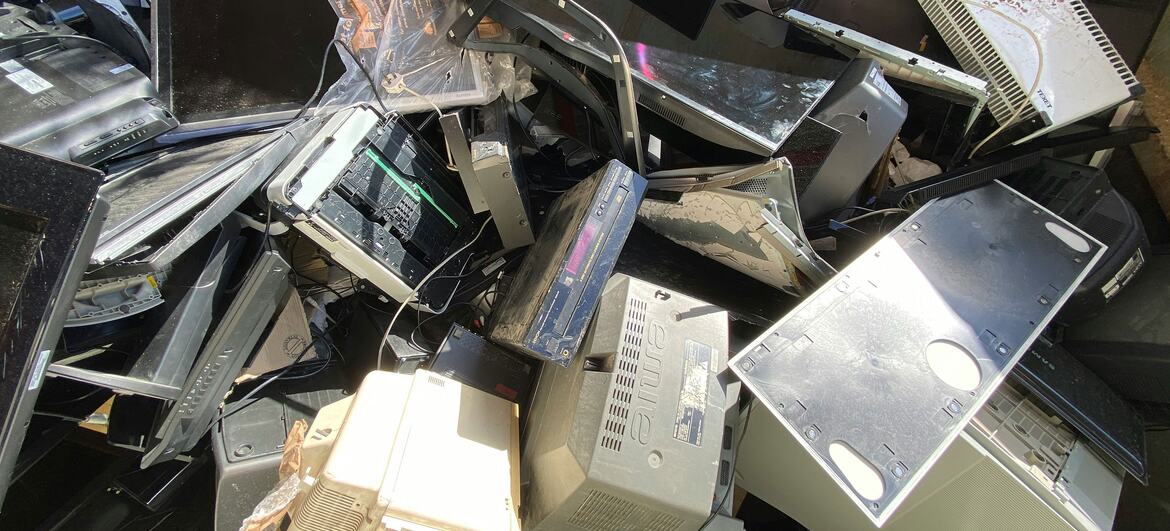
What is currently considered waste could become one of the most important sources of raw materials for the European economy in the coming decades. This is the conclusion reached by participants in the FutuRaM project, funded by the European Union, who have, for the first time, produced a detailed map of the so-called "urban mine"—the reserves of valuable materials contained in old electronics, discarded vehicles, batteries, wind turbines, construction waste, and industrial waste. This was reported by the UN press service.
According to the study, by 2050, European recycling systems will be able to return 4.1 to 5.7 million tons of critical raw materials to the economy annually. This will replace 33 to 56 percent of primary raw materials and reduce Europe's dependence on imported resources for the production of batteries, electric vehicles, and solar and wind energy equipment.
One of the project's key results was the development of a new resource assessment model. It allows for separate consideration of critical materials contained in waste and the volume of secondary raw materials that can be recovered after recycling. According to the researchers, this approach provides a more accurate assessment of potential raw material supplies.
The study found that in 2022, approximately 5.2 million tons of critical raw materials entered European markets as part of various products. Of these, 2.1 million tons were disposed of as waste, but only 1.4 million tons were recovered, demonstrating a significant gap between consumption and recycling.
According to the study's authors, by 2050, the volume of critical materials entering the European market will increase to 8.4–12.2 million tons per year. At the same time, the volume of waste containing such materials will increase to 5.2–6.4 million tons, and the potential recovery volume could reach 4.7–5.7 million tons annually.
The report's authors also highlight the climate impact of recycling. They estimate that by mid-century, the use of recycled materials will prevent up to 273 million tons of CO₂-equivalent carbon dioxide emissions annually, making recycling an important tool in combating the effects of climate change.
The study highlights that to fully unlock the potential of Europe's "urban mine", improved data collection systems, more accurate assessment of recycling potential and better monitoring of waste exports are needed.
The databases and analytical tools developed within the project will be made available for future use in accordance with the principles of openness, interoperability, and reuse. According to the study's authors, these tools could form the basis for long-term monitoring of Europe's raw material resources and enhance the resilience of supply chains in the face of growing global uncertainty.