Translated with AI



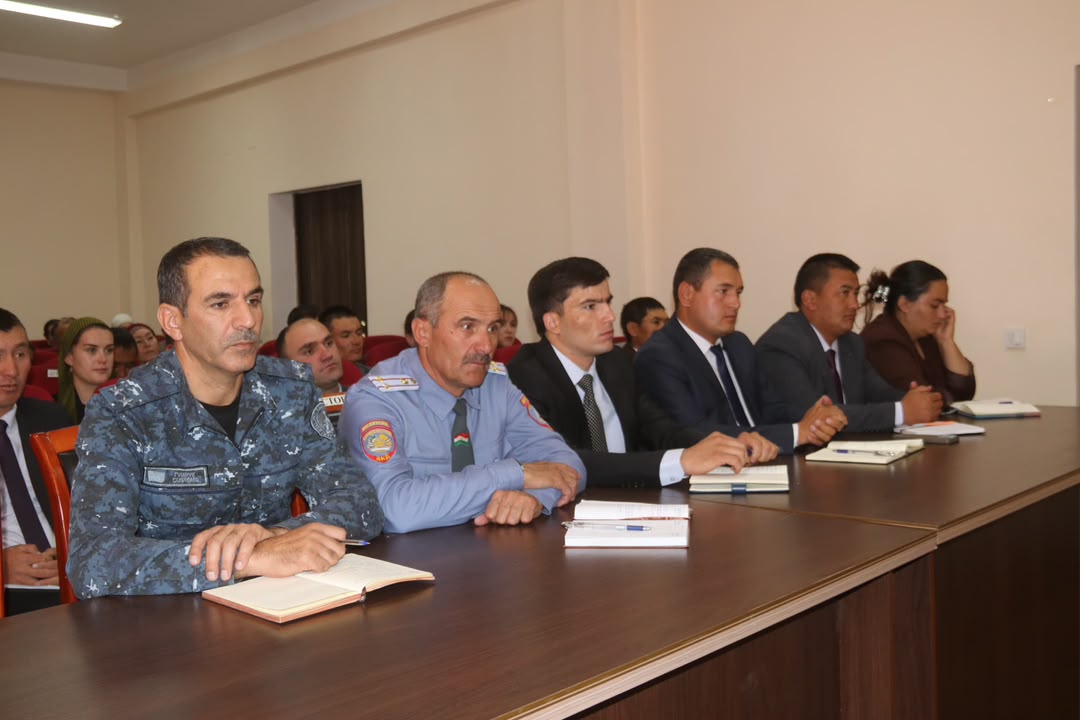
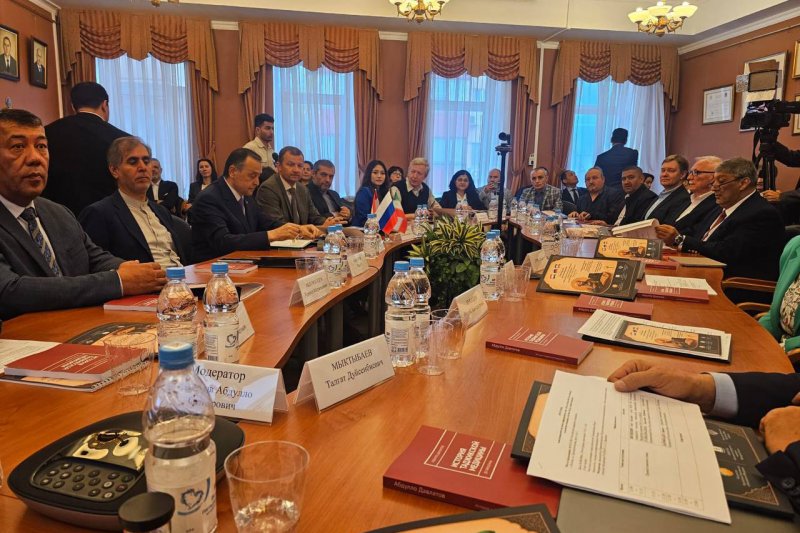







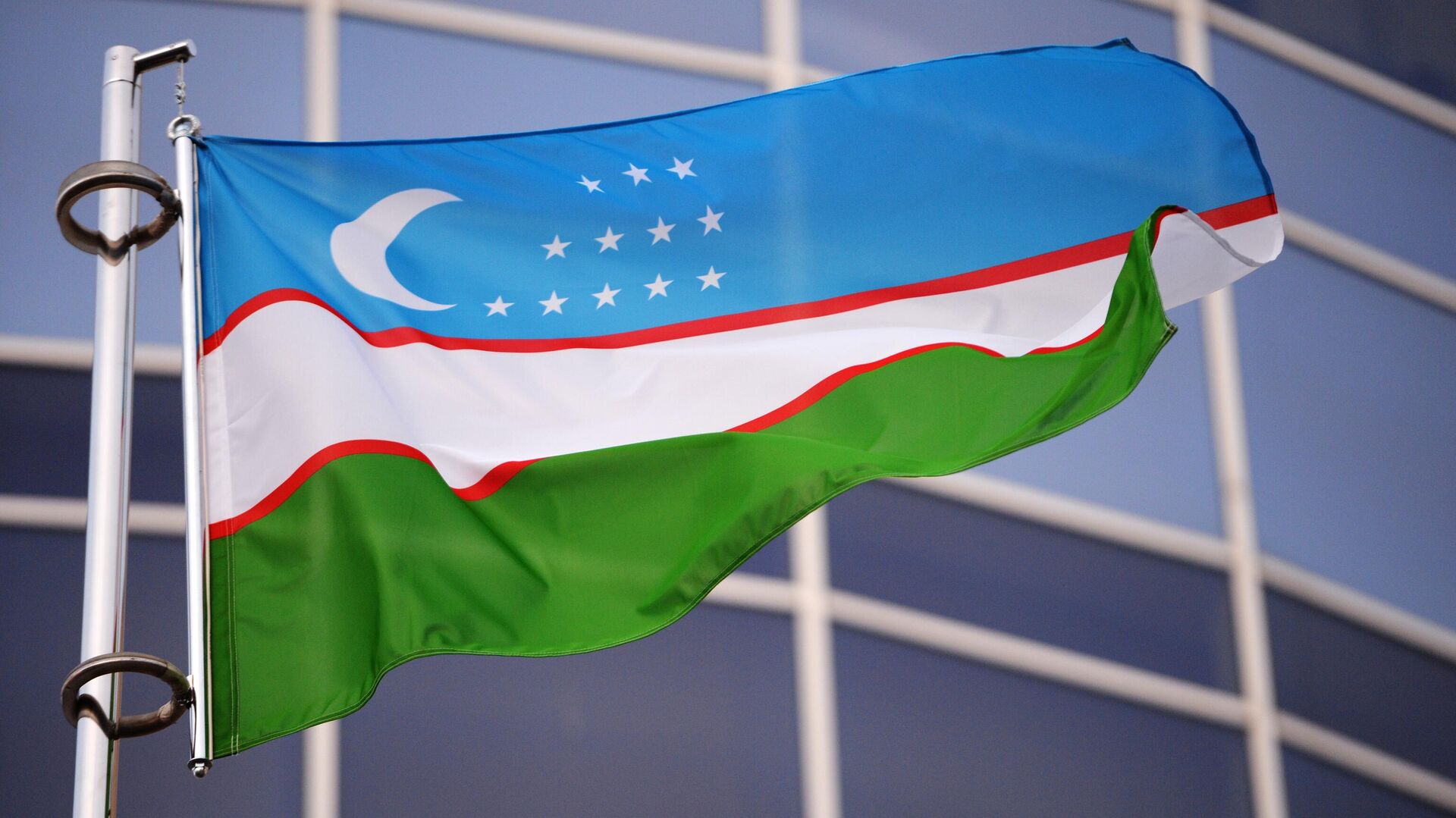

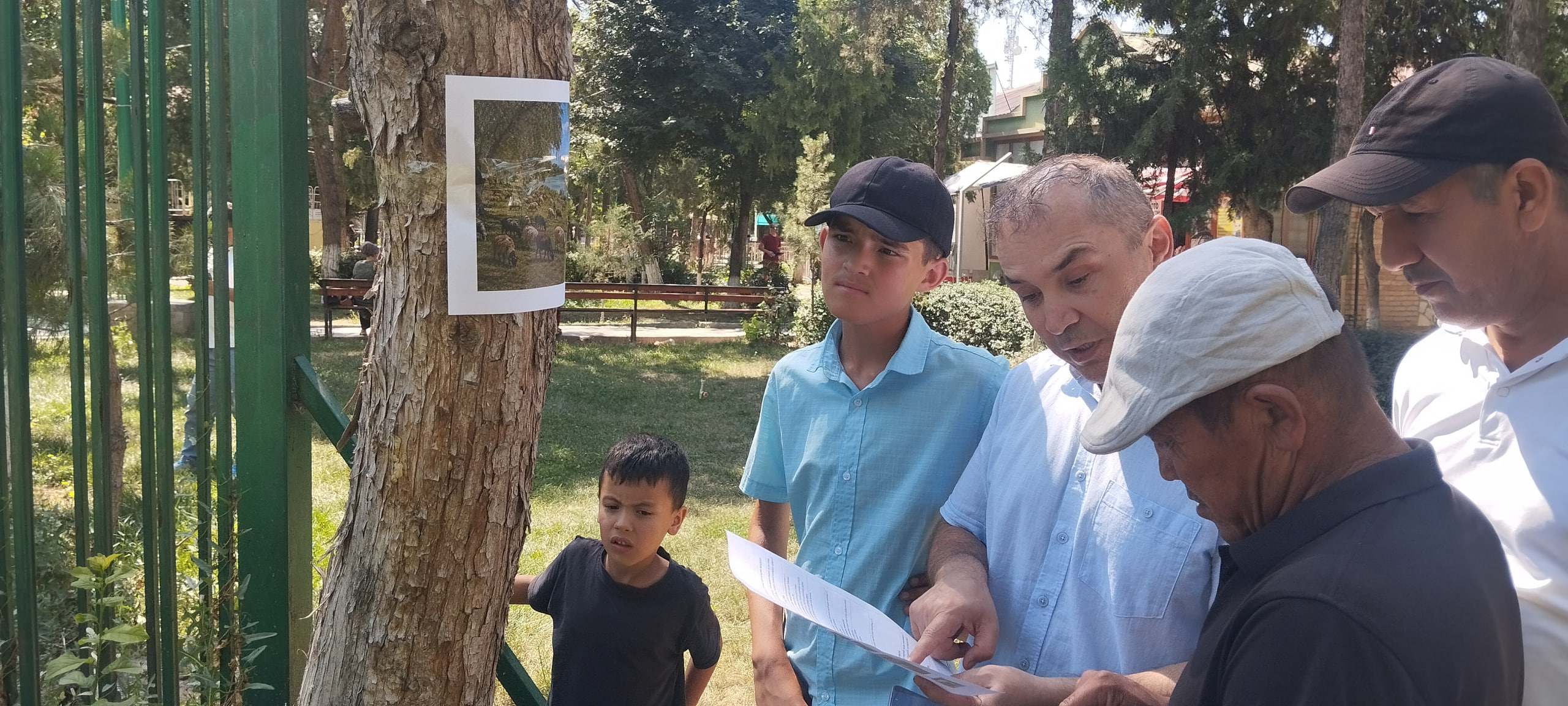
The Zarafshan Transboundary Specially Protected Natural Area has begun implementing a modern SMART patrolling system, which will allow inspectors to eliminate paper logbooks and switch to digital data collection and processing during patrols. This was announced by the program's organizers following a training course held from July 6 to 10 in Penjikent.
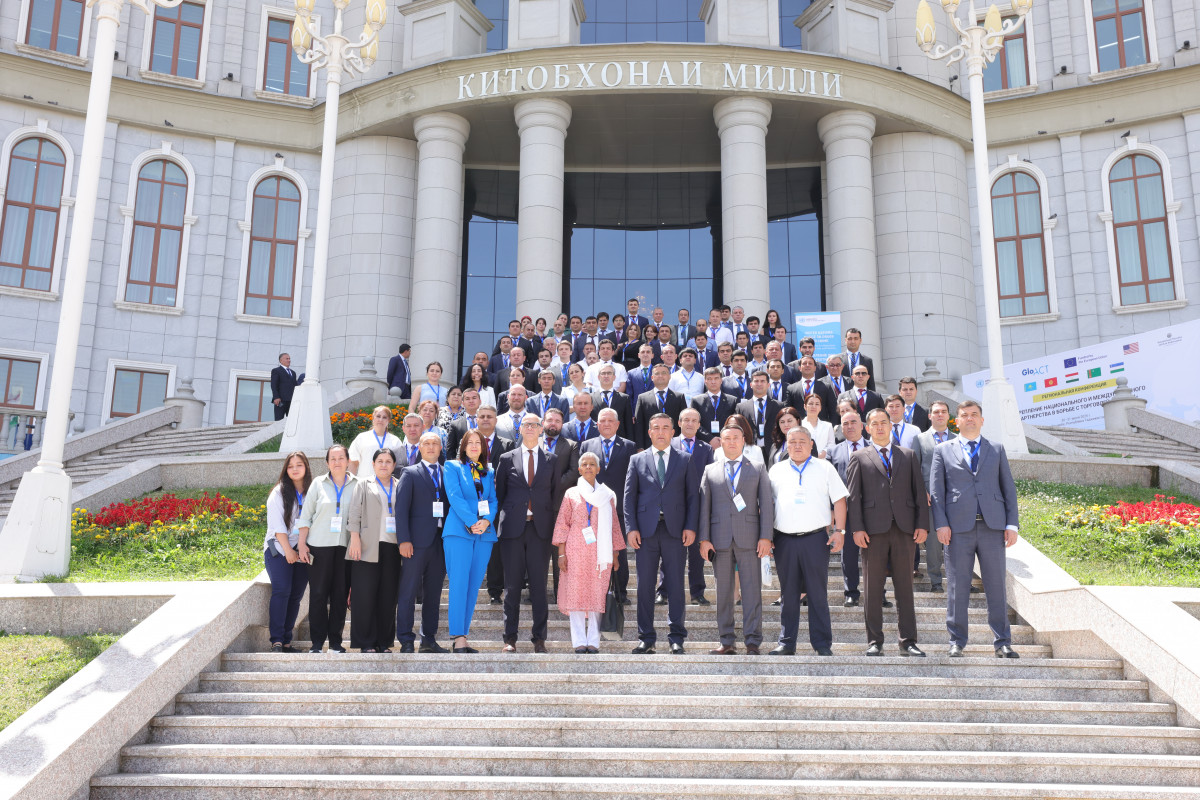
Staff from the Zarafshan Specially Protected Natural Area have completed the training. The system will be used throughout the transboundary natural area, including the section located in Uzbekistan. Inspectors will use secure smartphones with a dedicated SMART mobile app.
SMART (Spatial Monitoring and Reporting Tool) is a modern monitoring, analysis, and reporting system designed for conservation area managers. Today, this tool is used in over 1,200 protected areas in over 100 countries, and has been implemented at the national level in 20 countries.
The training program consisted of three stages. In the first stage, participants learned methods for recording environmental violations, including illegal grazing, illegal logging, and poaching, and learned to record wildlife observations during patrols.
The next stage focused on processing the collected information. The staff learned the principles of creating detailed patrol route maps and preparing analytical reports that can be used in management decision-making.
A separate training block was devoted to setting up a system for monitoring individual animal species.
According to Firdavs Khudoyorov, Head of the Department of Reserves and Nature Parks at the State Institution "Specially Protected Natural Areas" under the Committee for Environmental Protection under the Government of Tajikistan, the implementation of SMART goes beyond routine monitoring and allows for the creation of a comprehensive biodiversity monitoring system.
He noted that during the training, a program for recording rare animal species inhabiting the tugai forests of the Zarafshan River basin was used. The system allows for recording not only visual encounters with animals but also traces of their activity, sounds, and even discovered remains, thus creating a kind of digital ecosystem passport.
According to him, the implementation of SMART is also in line with the new strategy of the Committee for Environmental Protection and the Government of Tajikistan, aimed at using digital technologies to monitor the state of the environment and preserve biodiversity.
The trainings are organized within the framework of the regional program "Climate Risk Management in Central Asia," which is being implemented by GIZ with the support of the German government.
The training was led by Michael Hötte, an ecologist and international wildlife conservation expert from the Netherlands. He emphasized that during the training, the rangers demonstrated a responsible approach to accurately collecting data during patrols.
He estimates that after the implementation of the SMART system, staff will be fully prepared to effectively collect and analyze field data, which will enhance the long-term protection of biodiversity.
The introduction of SMART patrols is part of a suite of adaptation measures being implemented by GIZ based on climate risk assessments in five transboundary river basins in Central Asia. The system is being simultaneously implemented for staff at specially protected natural areas in Tajikistan and Uzbekistan and is seen as an example of successful intergovernmental cooperation in climate risk management and environmental protection in the face of the climate crisis.