Translated with AI












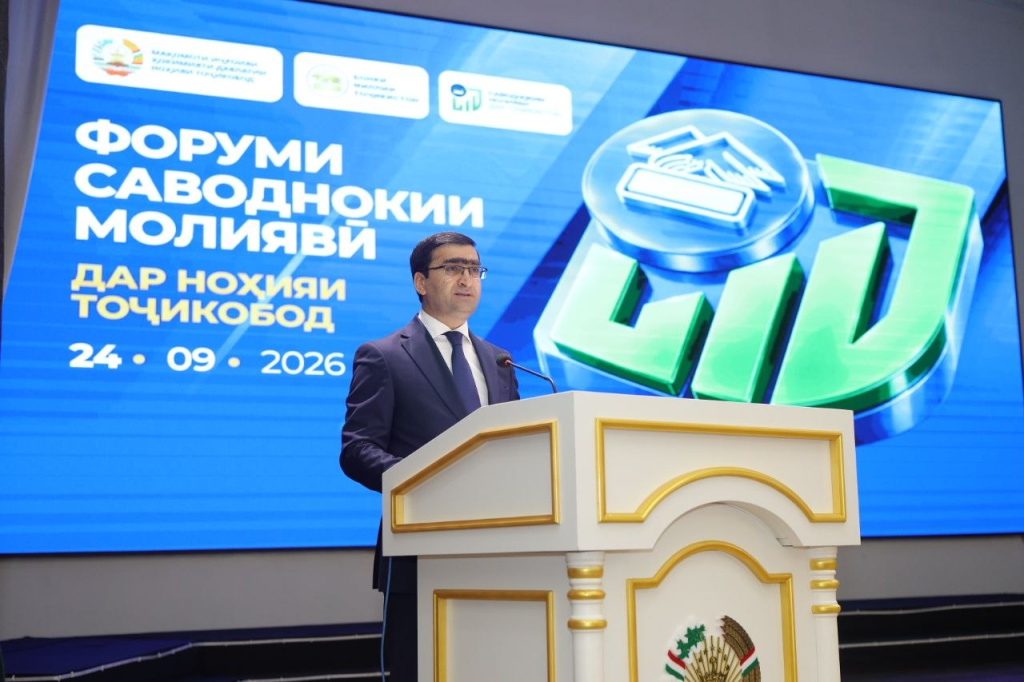





















On July 6, Tajik Prime Minister Kokhir Rasulzoda inspected the progress of construction work being carried out in districts of Khatlon Region in honor of the 35th anniversary of the country's state independence. This was reported by the press service of the Khatlon Region Chairman.
During the visit, the head of government inspected coastal protection work on the most vulnerable sections of the Panj River coast in the Farkhor and Mir Said Ali Hamadani districts.
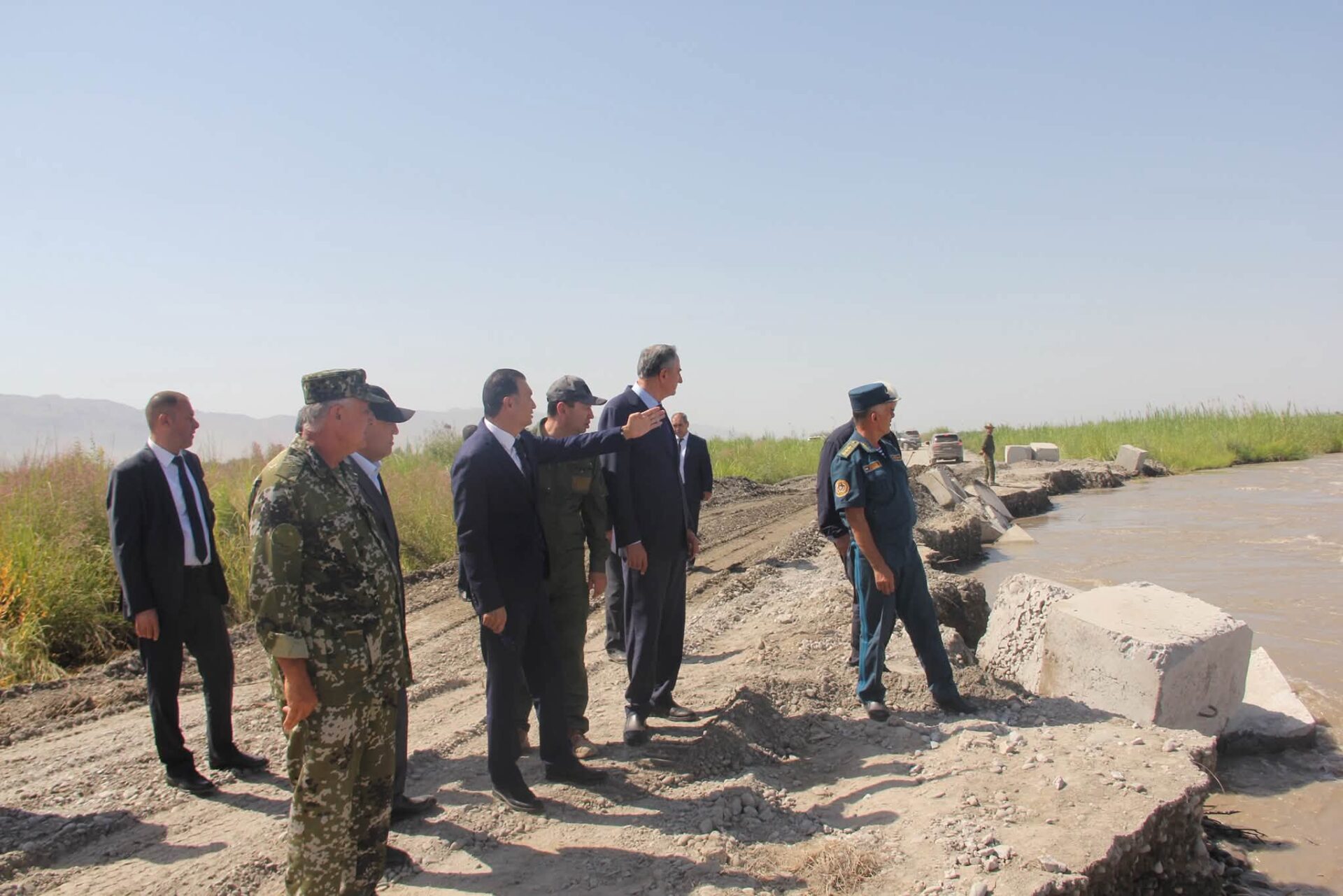
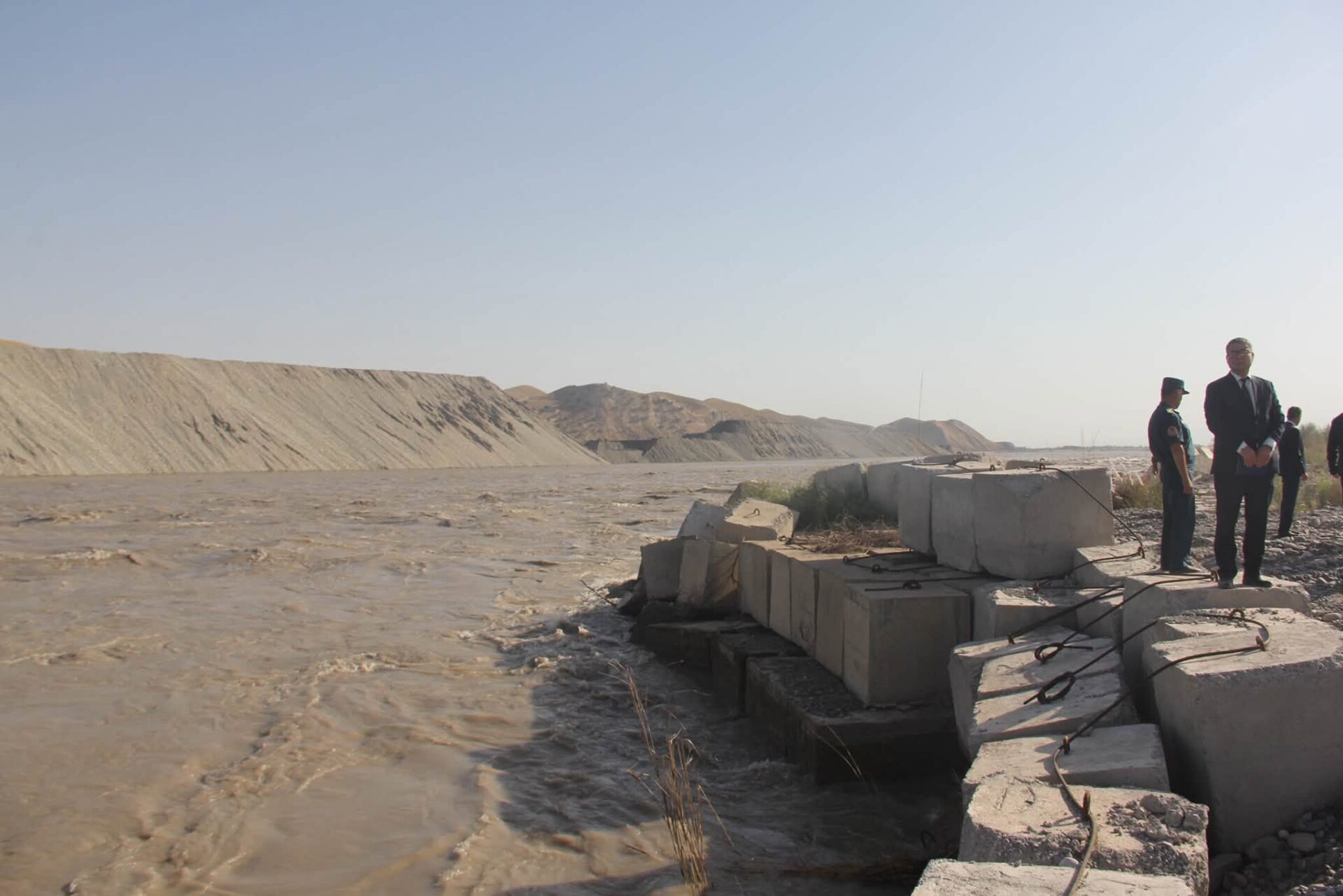
As reported, in order to expand the scale of coastal protection works, the Committee for Emergency Situations and Civil Defense of Tajikistan sent 15 units of special equipment to the most dangerous areas of the Farkhor district on March 20 of this year.
To date, more than 10,565 reinforced concrete slabs have been delivered and installed along the banks of the Panj River. Protective hydraulic structures have been erected using the "spur" method.
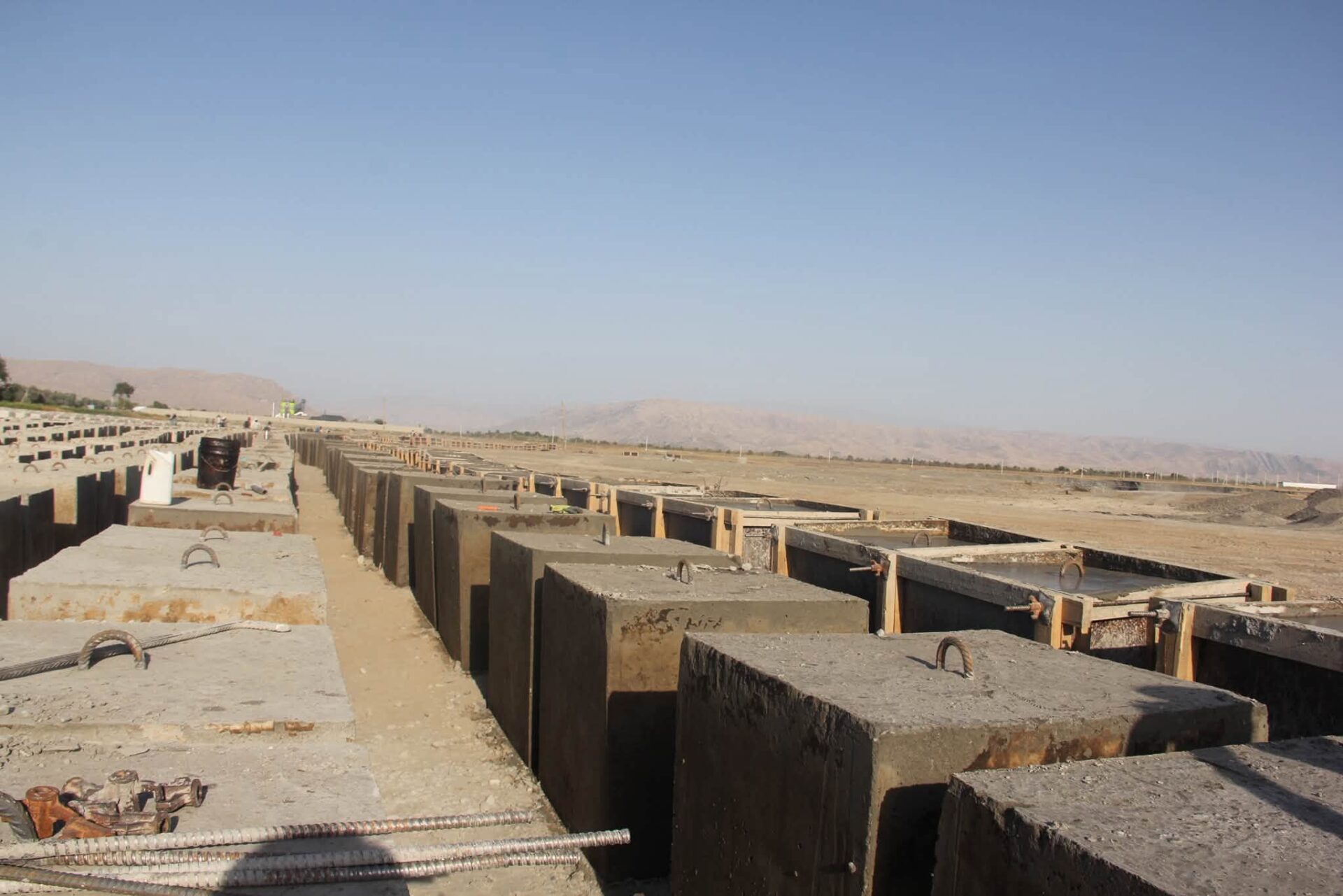
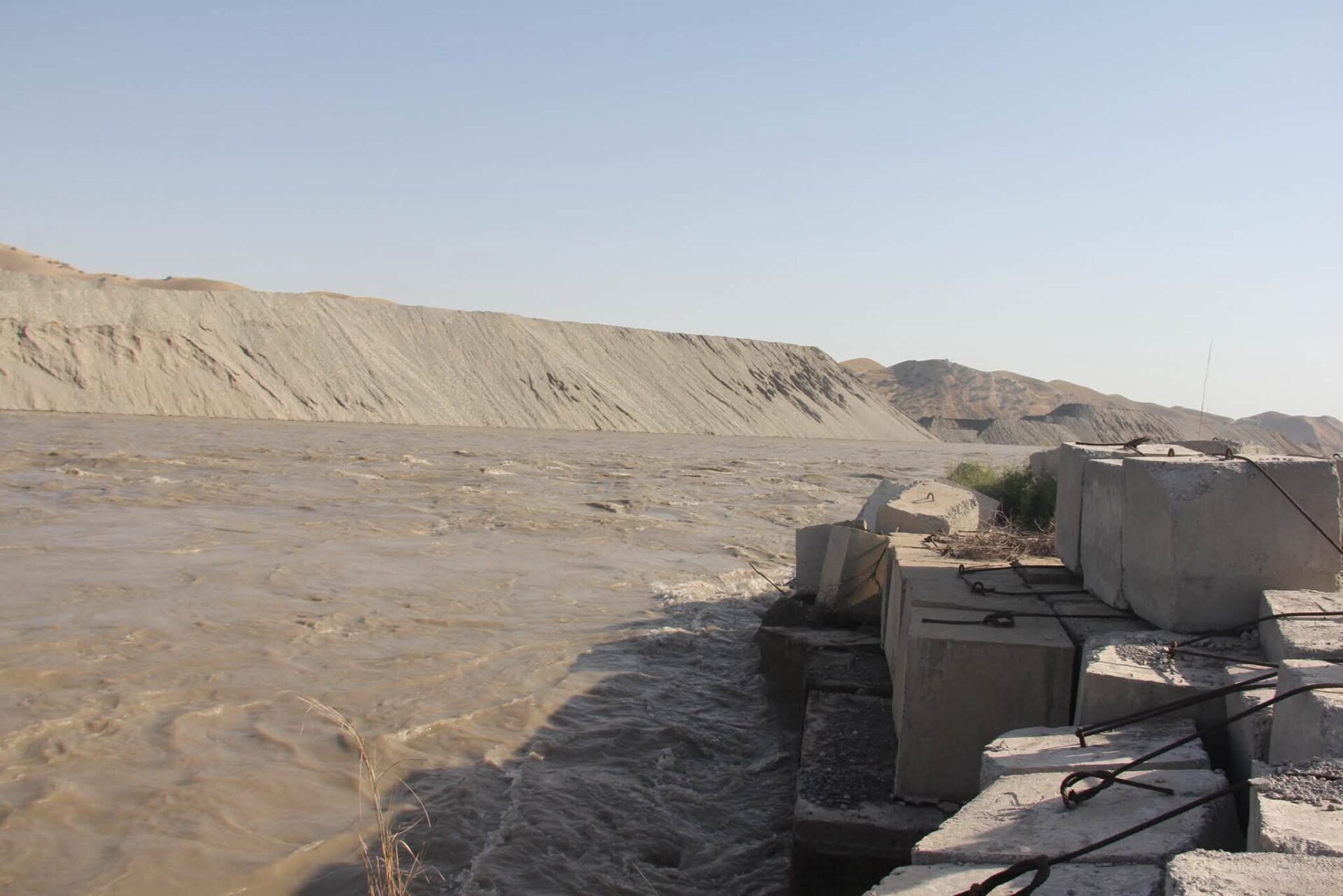
In addition, over 9,600 cubic meters of rock and gravel have been delivered to hazardous areas of the region. A protective dam 13 meters wide and 2 meters high has been constructed there.
In some areas, including Leskhoz and Margzor, excavation work and construction of protective structures continue. As a result of this work, hundreds of meters of shoreline have been restored.
In the Mir Said Ali Hamadani district, coastal protection work is also continuing at a rapid pace. Thousands of reinforced concrete slabs have been installed, and protective dams have been built and restored in the most vulnerable areas.
Work to strengthen the banks of the Panj River is proceeding according to the approved plan. Those responsible have mobilized the necessary resources to ensure its timely and high-quality completion.
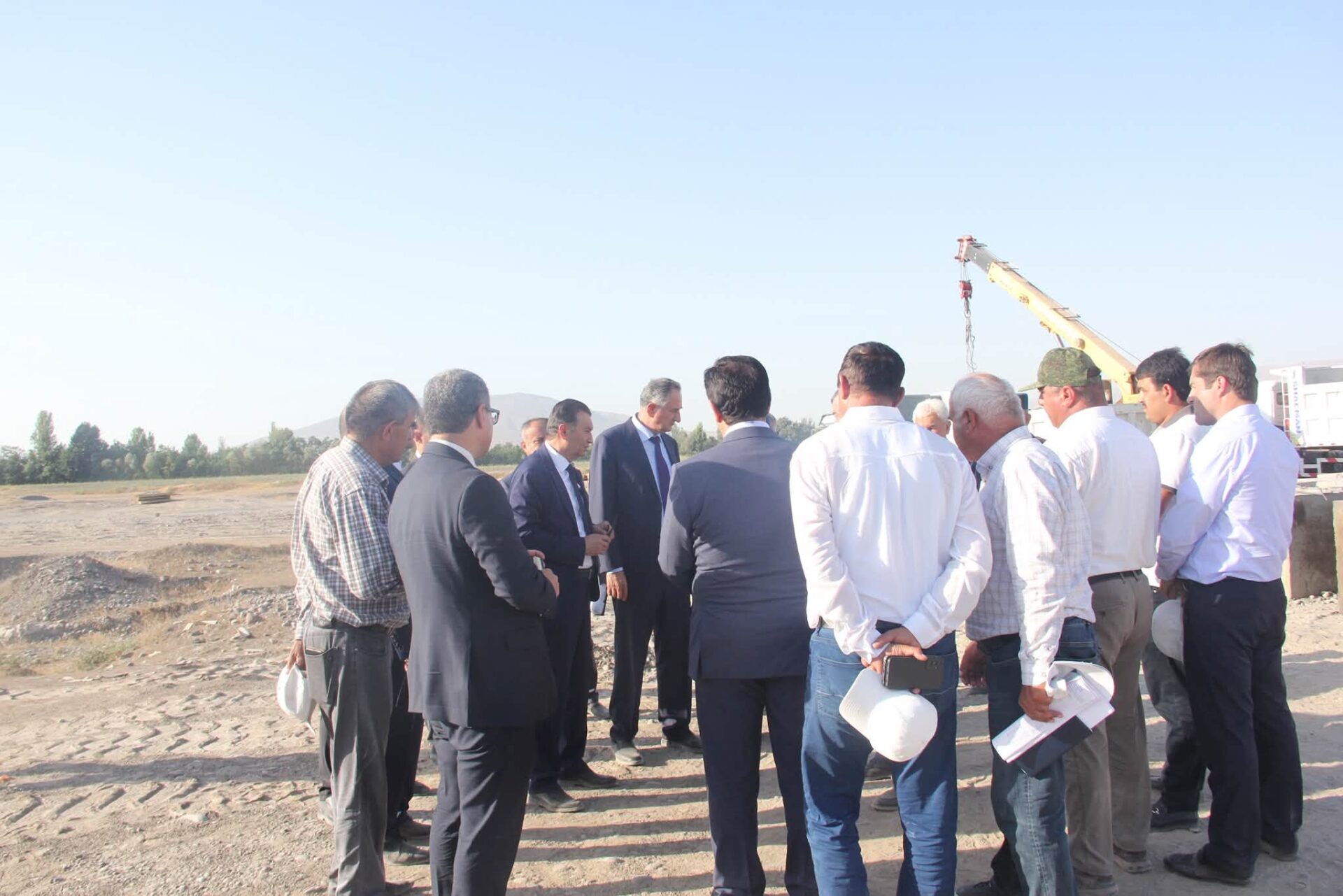
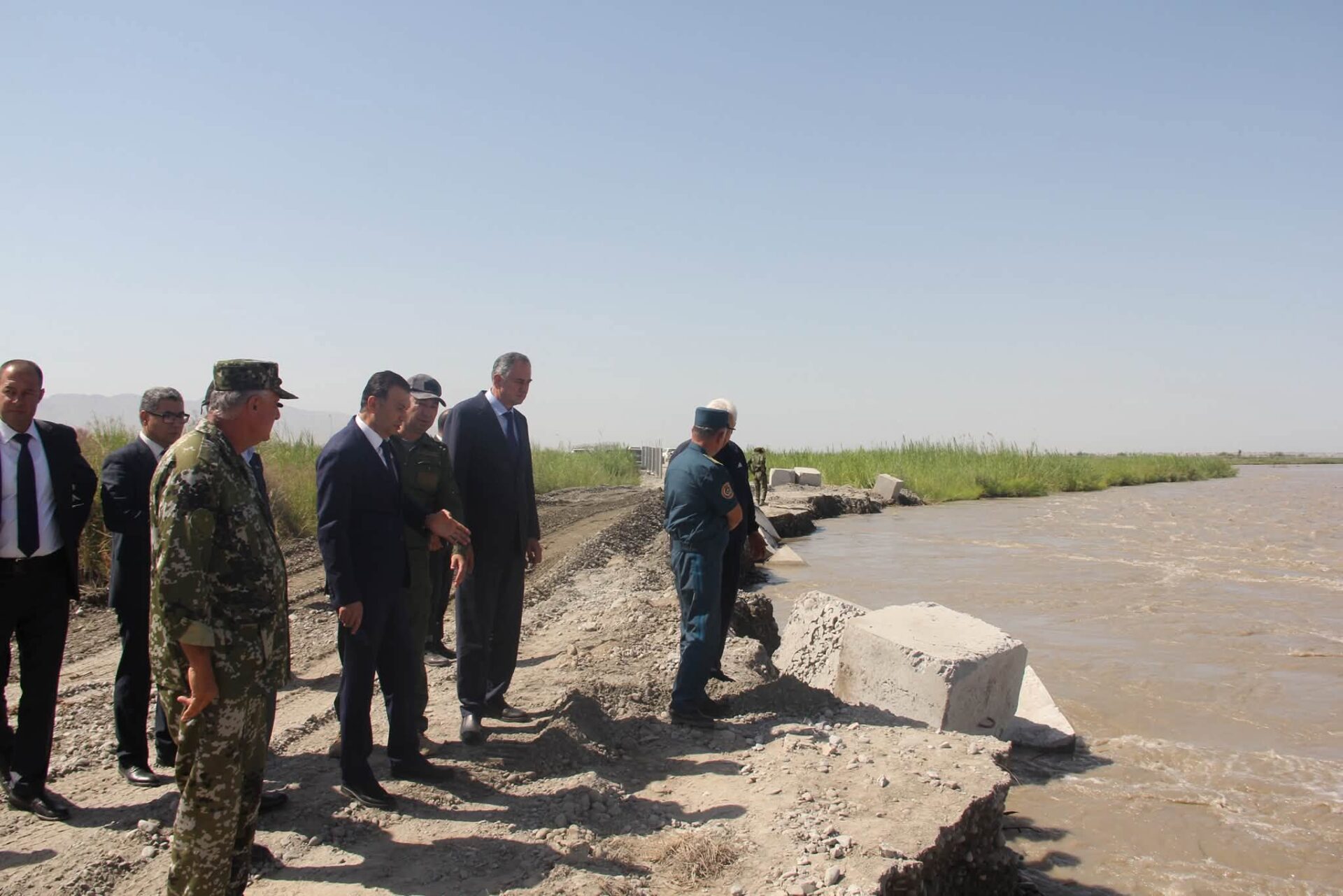
That same day, Kokhir Rasulzoda inspected the progress of coastal protection work on the banks of the Vakhsh River in the village of Sari Pul, Bokhtariyon Jamoat, Kushoniyon District. The Prime Minister was briefed on the work completed and the measures being taken to protect the population and agricultural lands.
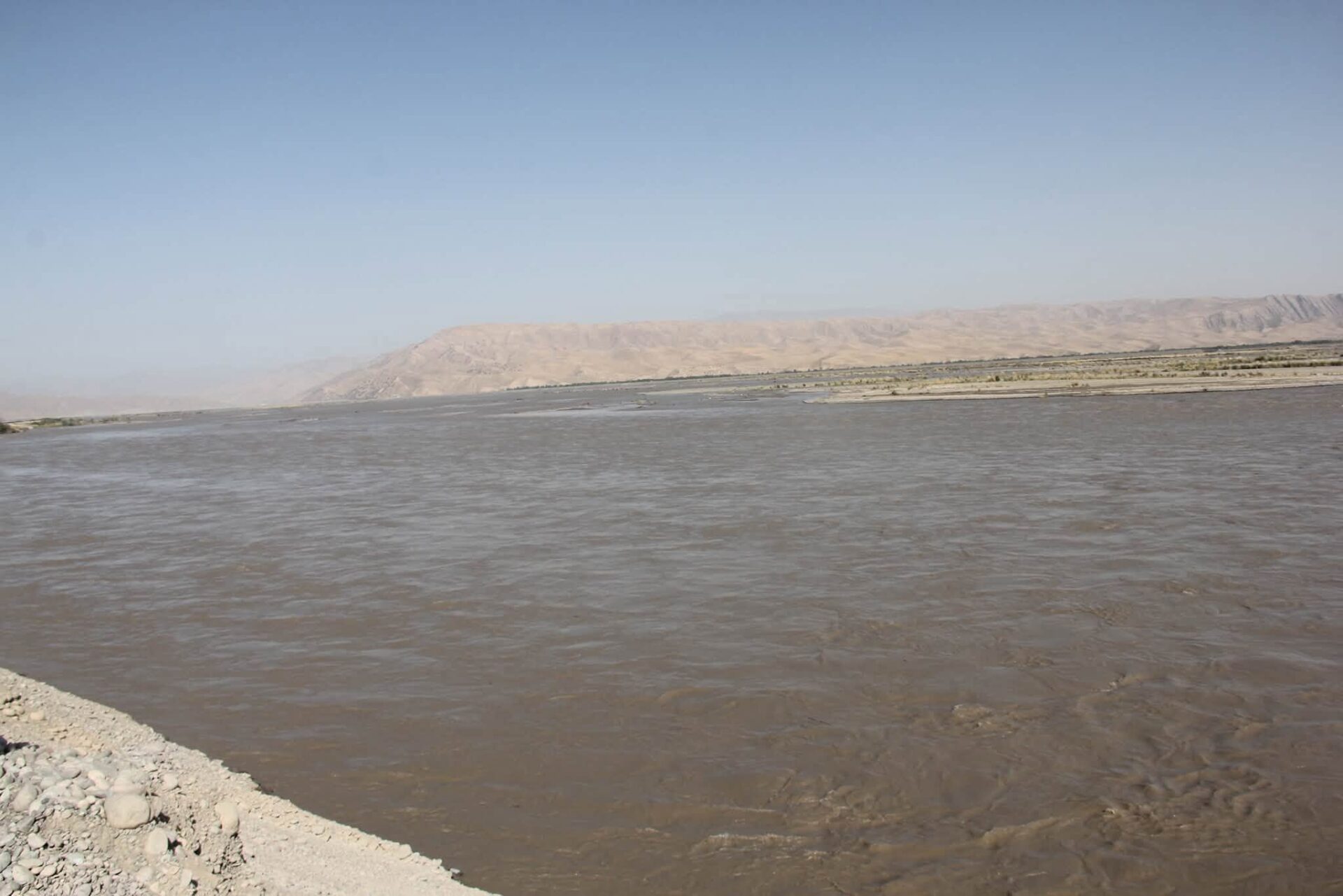
The villages of Sari Khavz and Sari Pul are among the most vulnerable sections of the Vakhsh River. Riverbed changes and coastal erosion have created a threat of flooding and destruction for agricultural lands, fish ponds, and homes.
The village of Sari Khavz is home to over 2,560 people and 186 family farms. According to officials, some of the land belonging to the farms and fish farms was flooded by the river. Furthermore, the river created a serious threat to local residents' homes.
The village of Sari Pul, home to over 1,300 people, is also at risk. Additional measures are being taken to ensure public safety.
As part of the project, hundreds of reinforced concrete slabs were installed, protective dams were constructed, and trenches were dug. Thousands of cubic meters of sand, gravel, and other construction materials were also delivered to the sites.
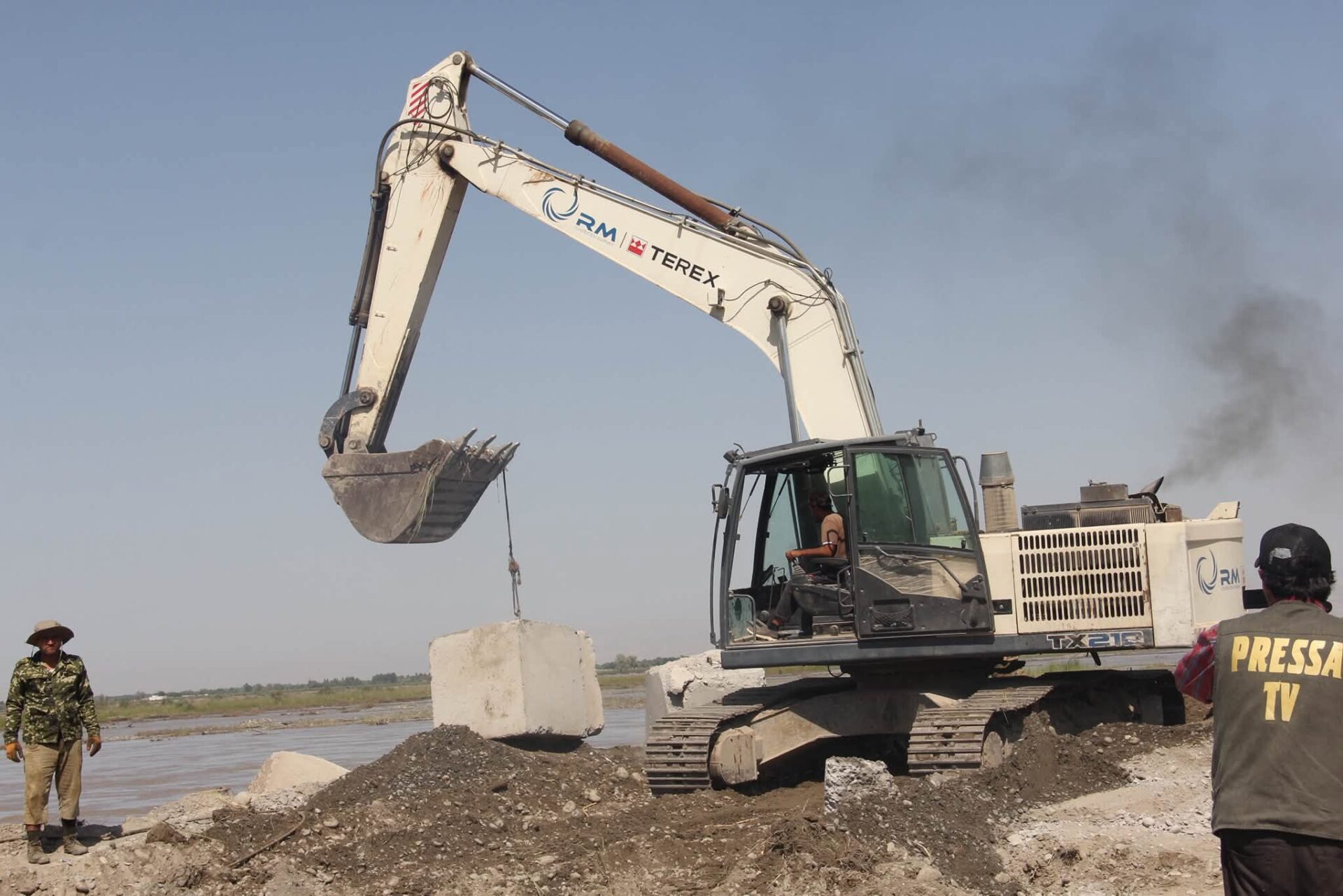
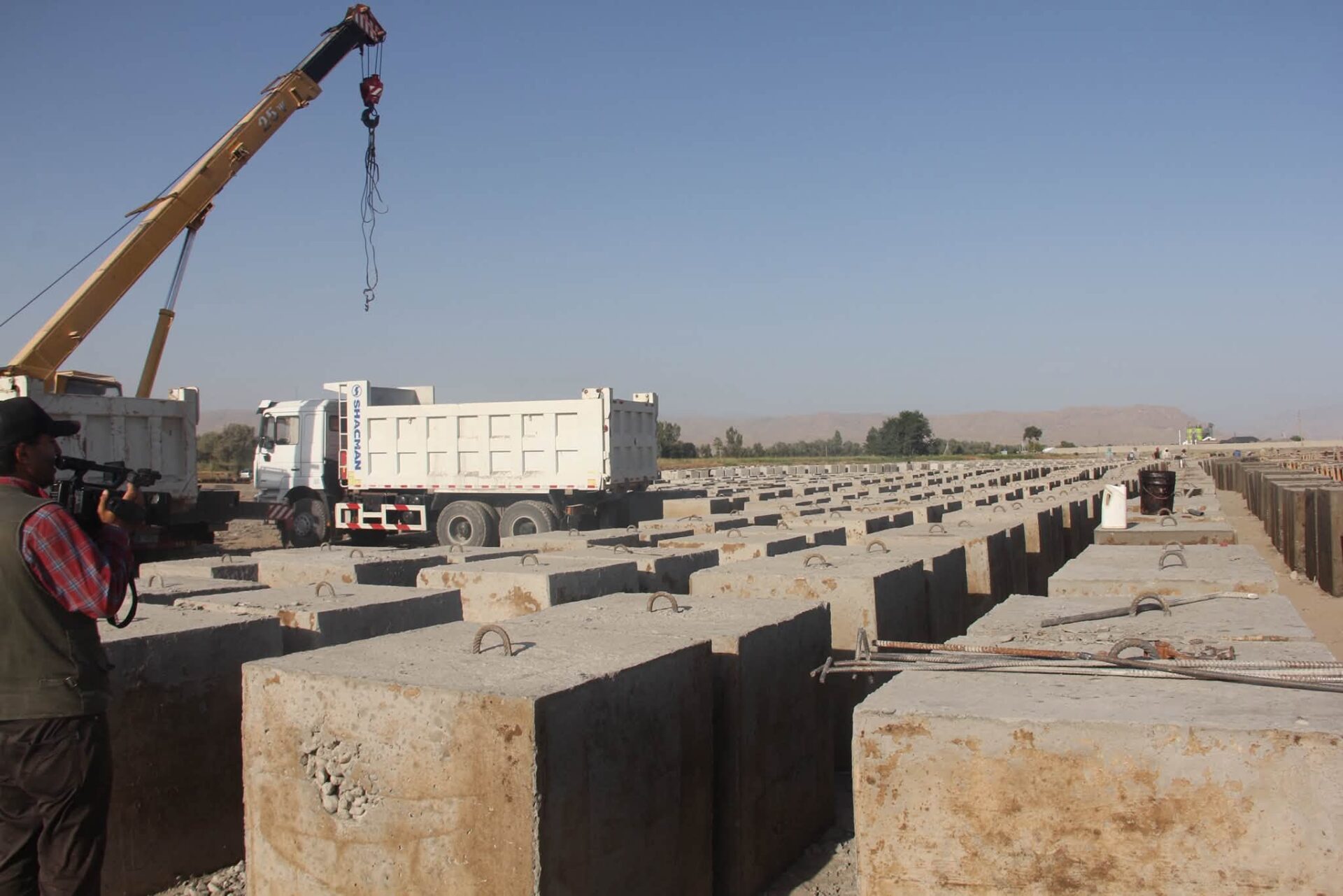
More than 120 pieces of various equipment, including excavators, trucks, trailers, cranes, and other specialized equipment, were involved in the coastal protection works.
In the village of Sari Havz alone, 647 reinforced concrete slabs were installed in a short period of time, a 700-meter-long trench was dug, and a protective dam 100 meters long, 9 meters wide, and 7 meters high was built.
Hundreds of trucks loaded with sand, gravel, soil, large rocks, and crushed concrete have been delivered here to strengthen the coastline.
As noted, thanks to timely and coordinated measures, the Vakhsh River's flow direction has been somewhat reversed, and water pressure on the left bank has decreased. This is crucial for reducing the risk of shoreline erosion and protecting residential buildings.
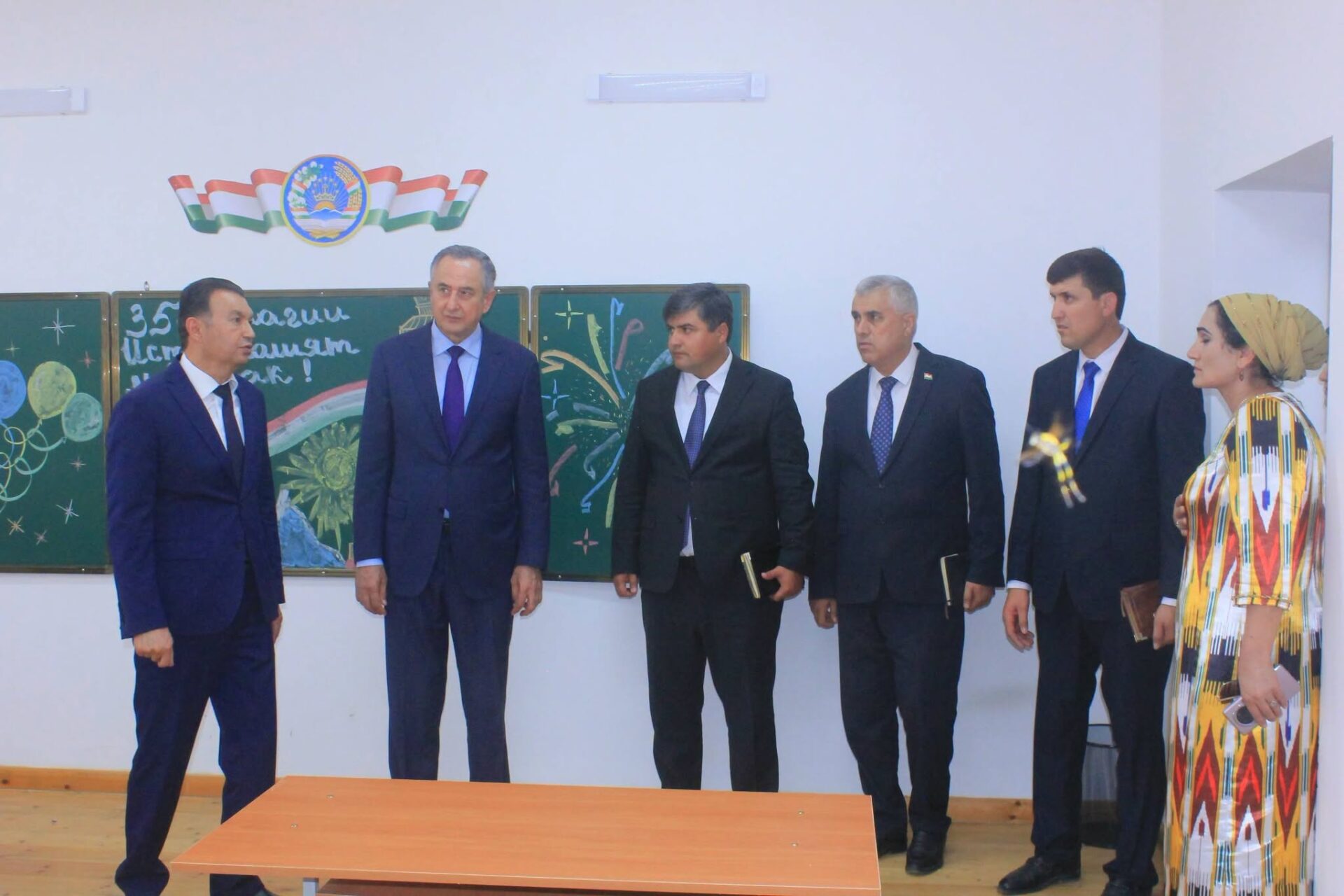
As part of his visit, Kokhir Rasulzoda took part in the opening of an additional building for Secondary School No. 32 in the village of Panjrud, Mehvar Jamoat, Panj District.
The new building is designed to accommodate 240 students in two shifts. The facility was built as part of the construction project commemorating the 35th anniversary of State Independence and is aimed at improving learning conditions and creating additional opportunities for students.
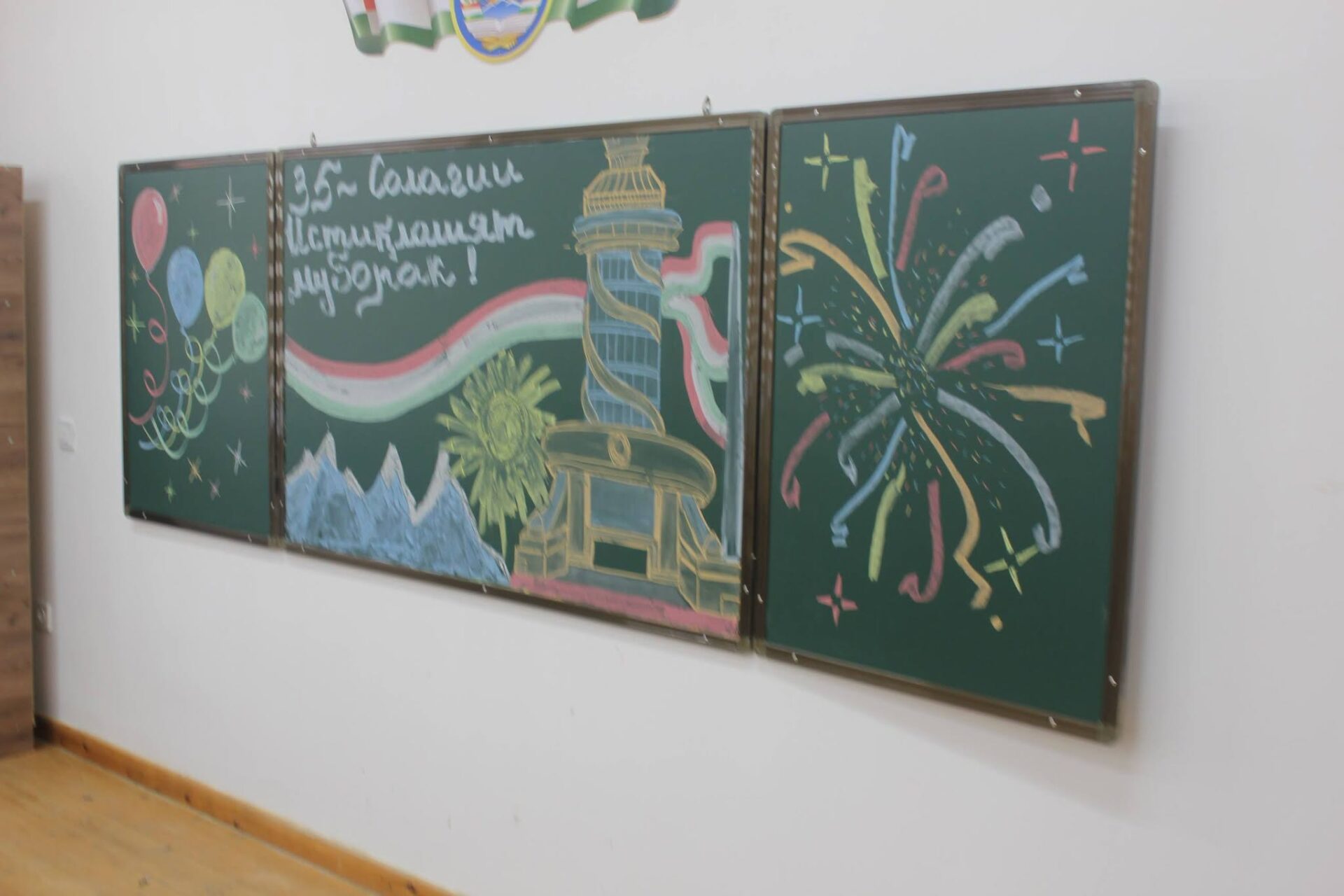
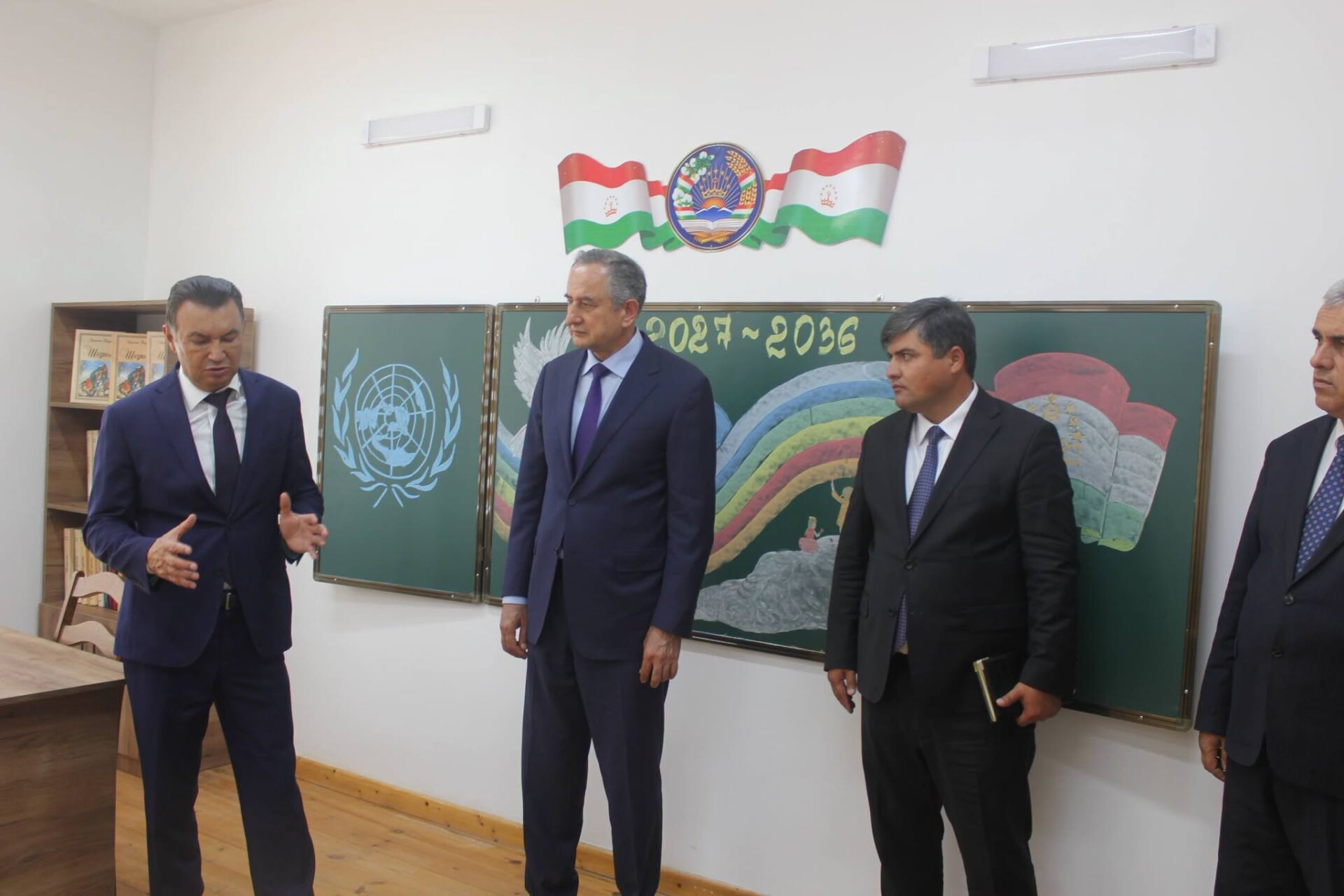
The two-story building contains four specialized classrooms.
The school has a total of 509 students. The construction of the additional building will reduce classroom pressure and create a more favorable environment for the educational process.
During the construction of the facility, eight to ten local residents were provided with jobs. Their salaries ranged from 2,000 to 3,000 somoni. The project's implementation also contributed to employment.
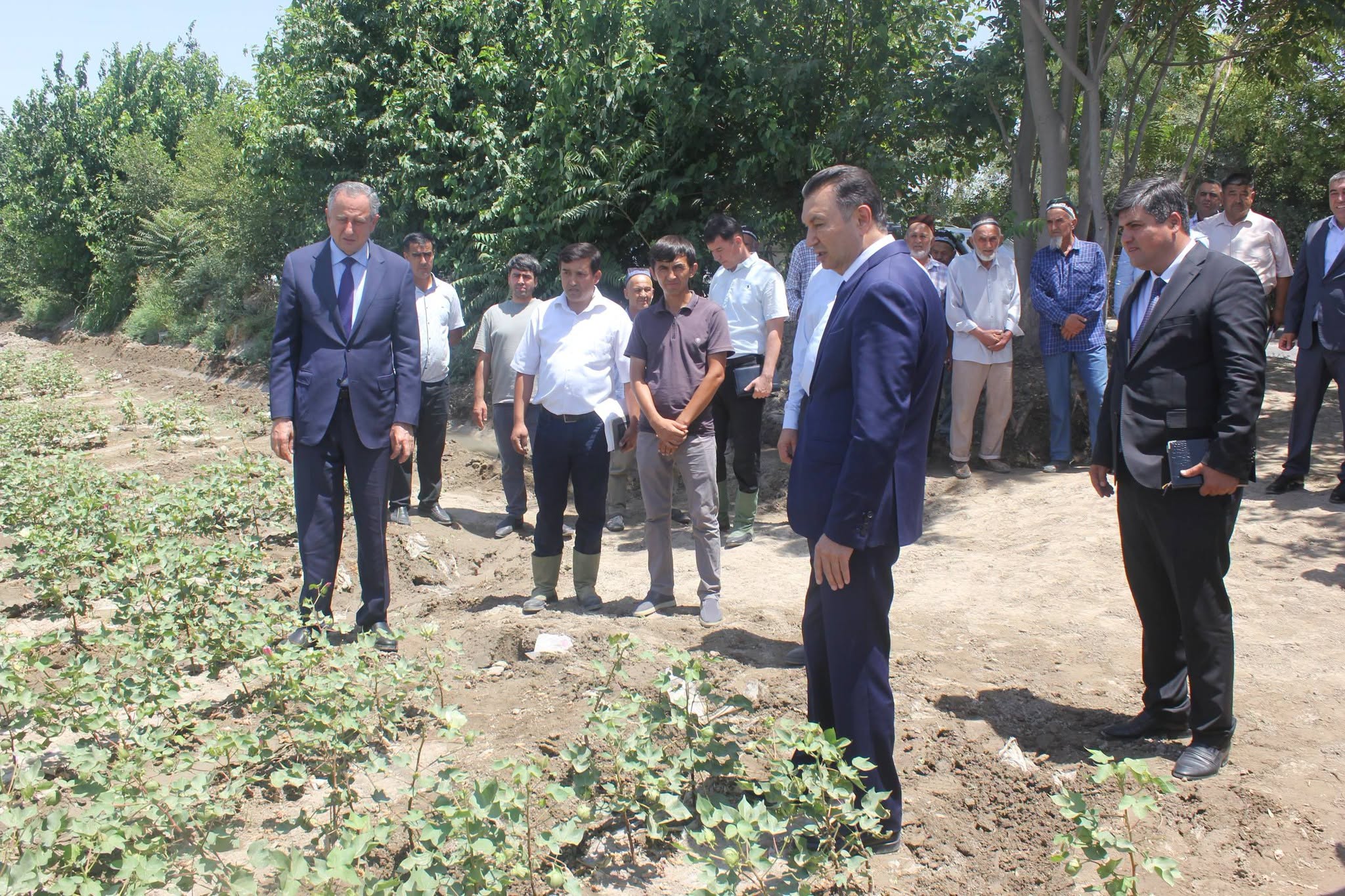
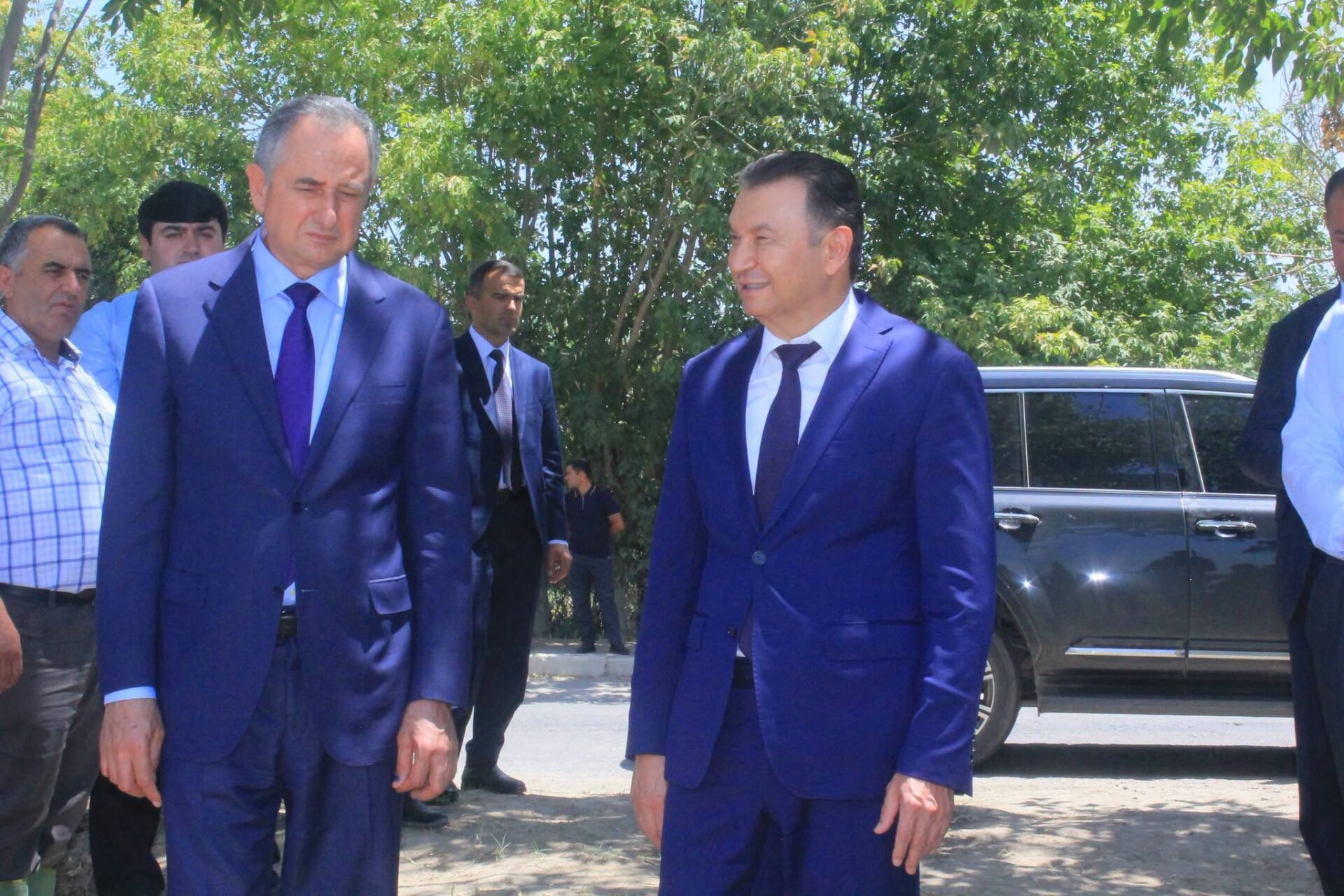
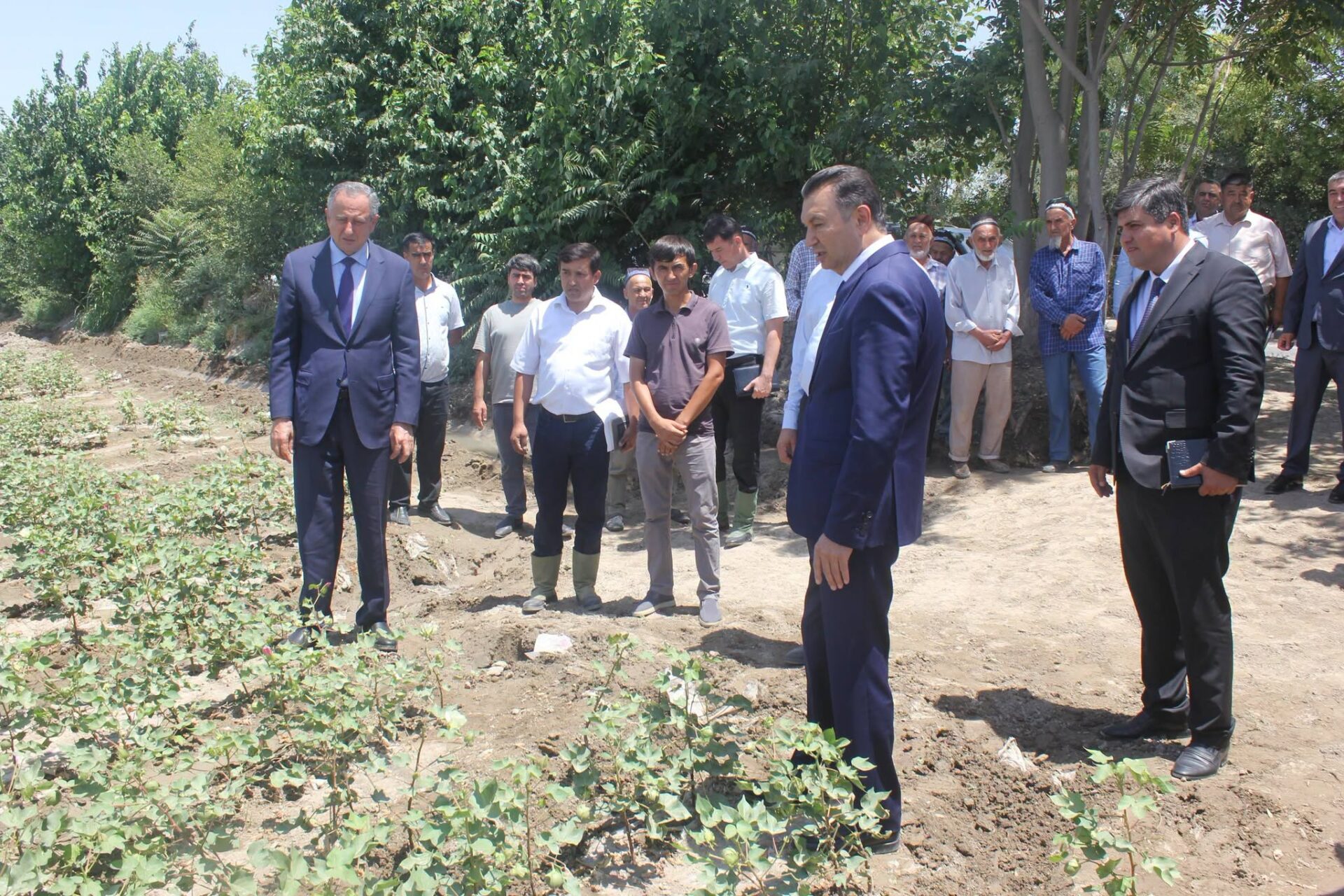
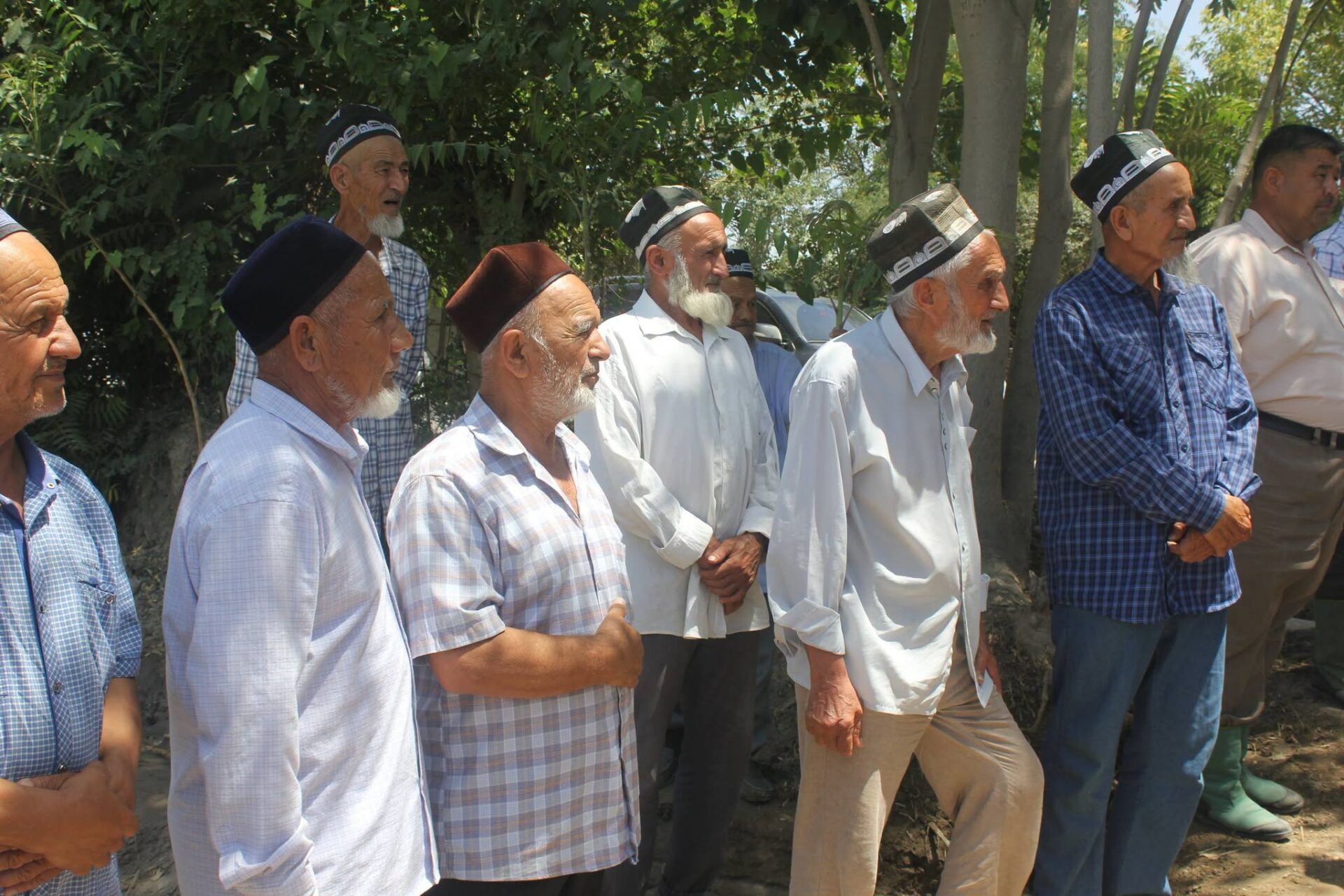
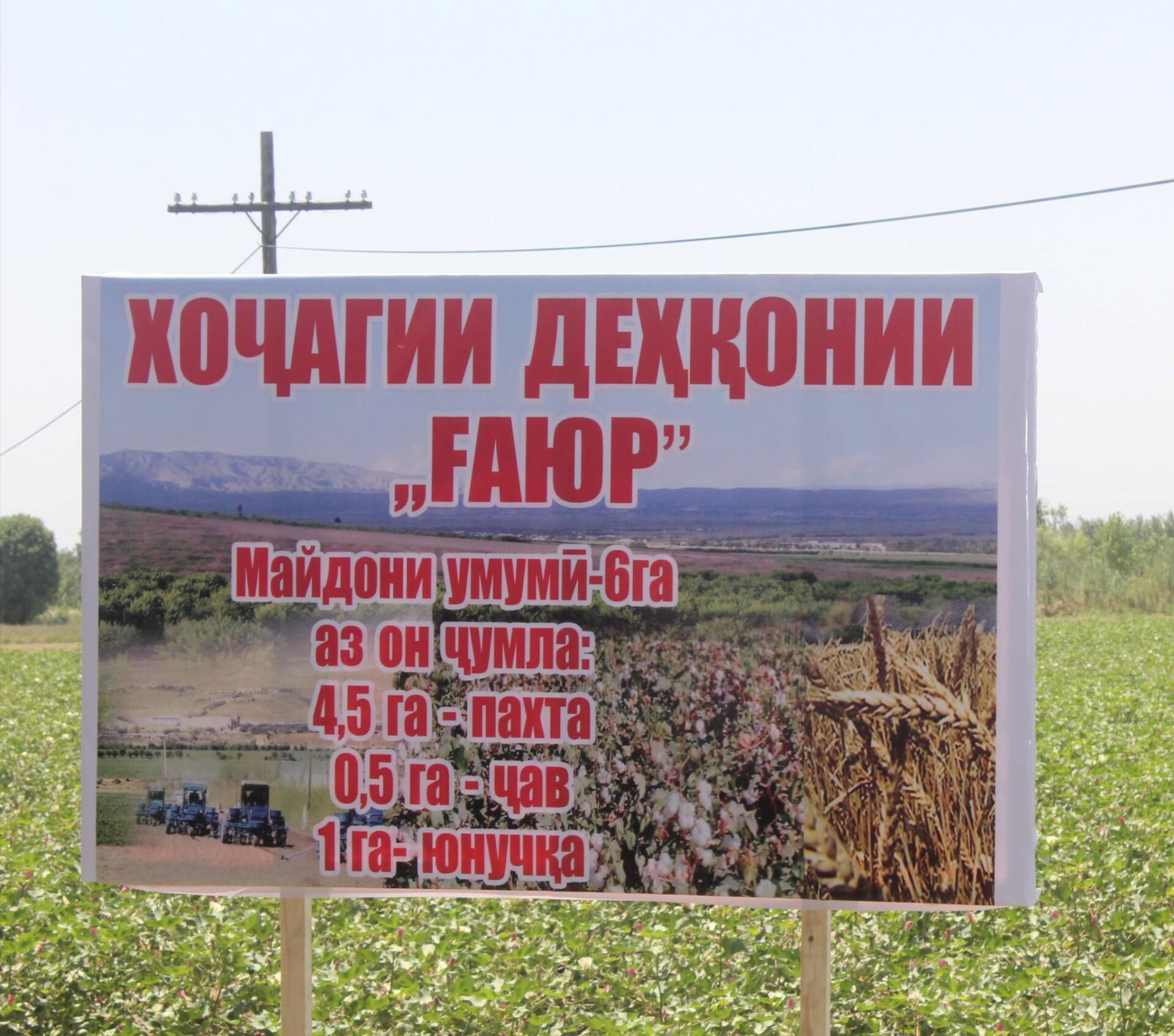
In the Panj district, the Prime Minister also inspected the growth and development of cotton crops at the Gayur farm, the farm's operations, and the condition of agricultural crops.
The Gayur farm was established in 2008 and comprises 5.65 hectares of agricultural land. Its primary activity is cotton cultivation. The farm is managed by Bakhtiyor Tavurov.
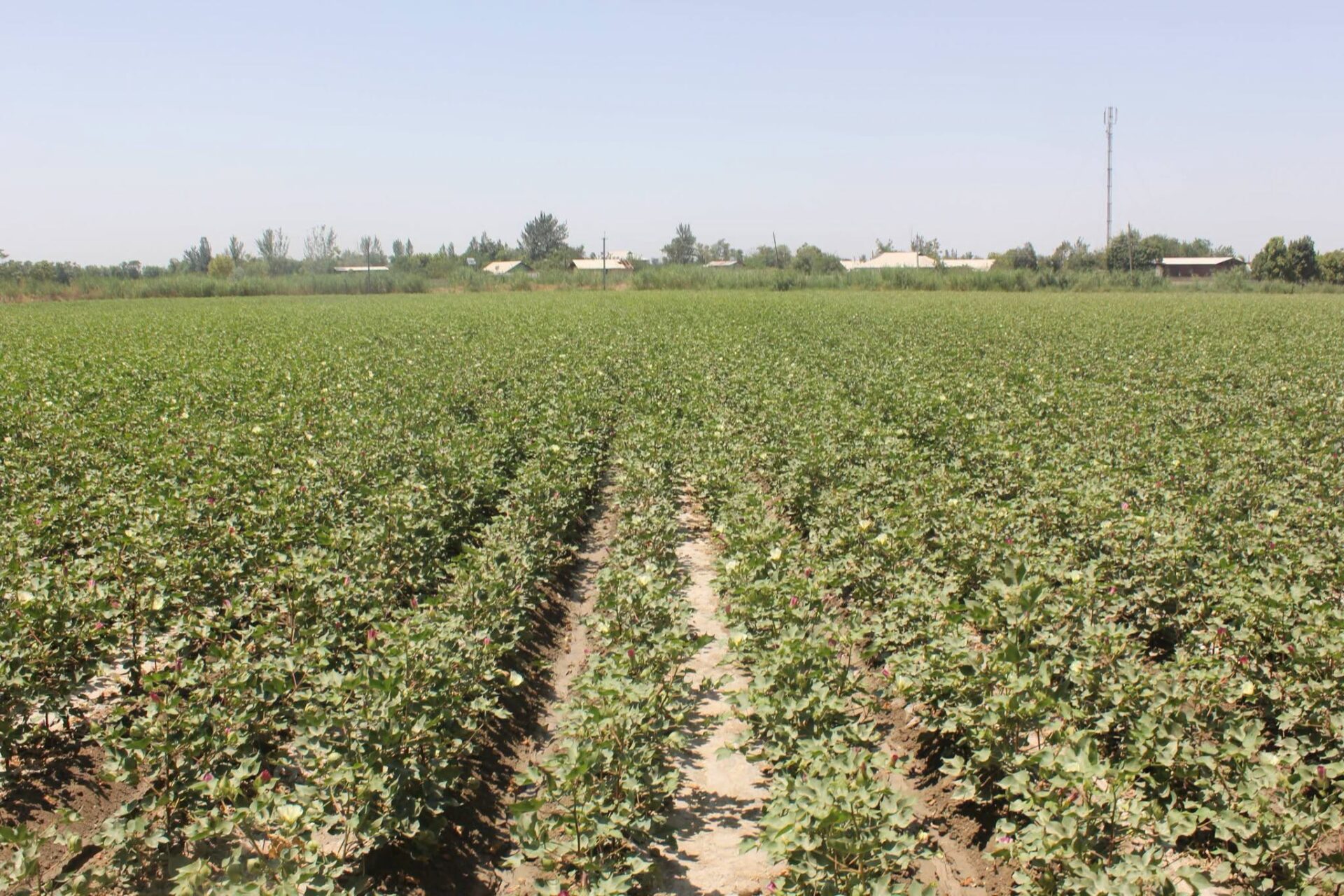
Of the total land area, 4.65 hectares are occupied by cotton crops, 0.60 hectares are allocated for repeated sowing of pumpkins, and another 0.40 hectares are for clover.
The farm employs modern methods of growing crops. Specifically, when growing cotton, they use film coverings to improve plant growth and development.
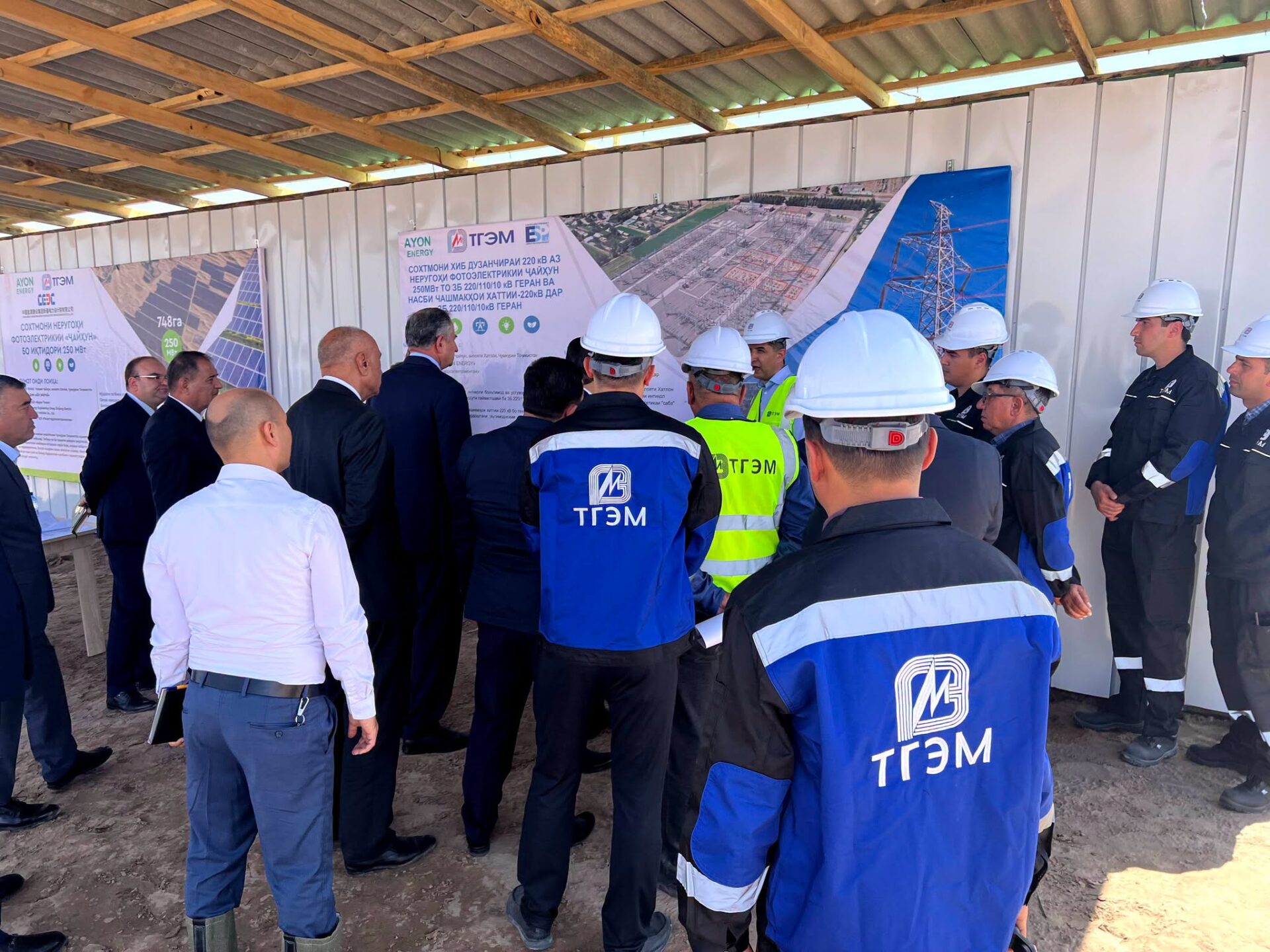
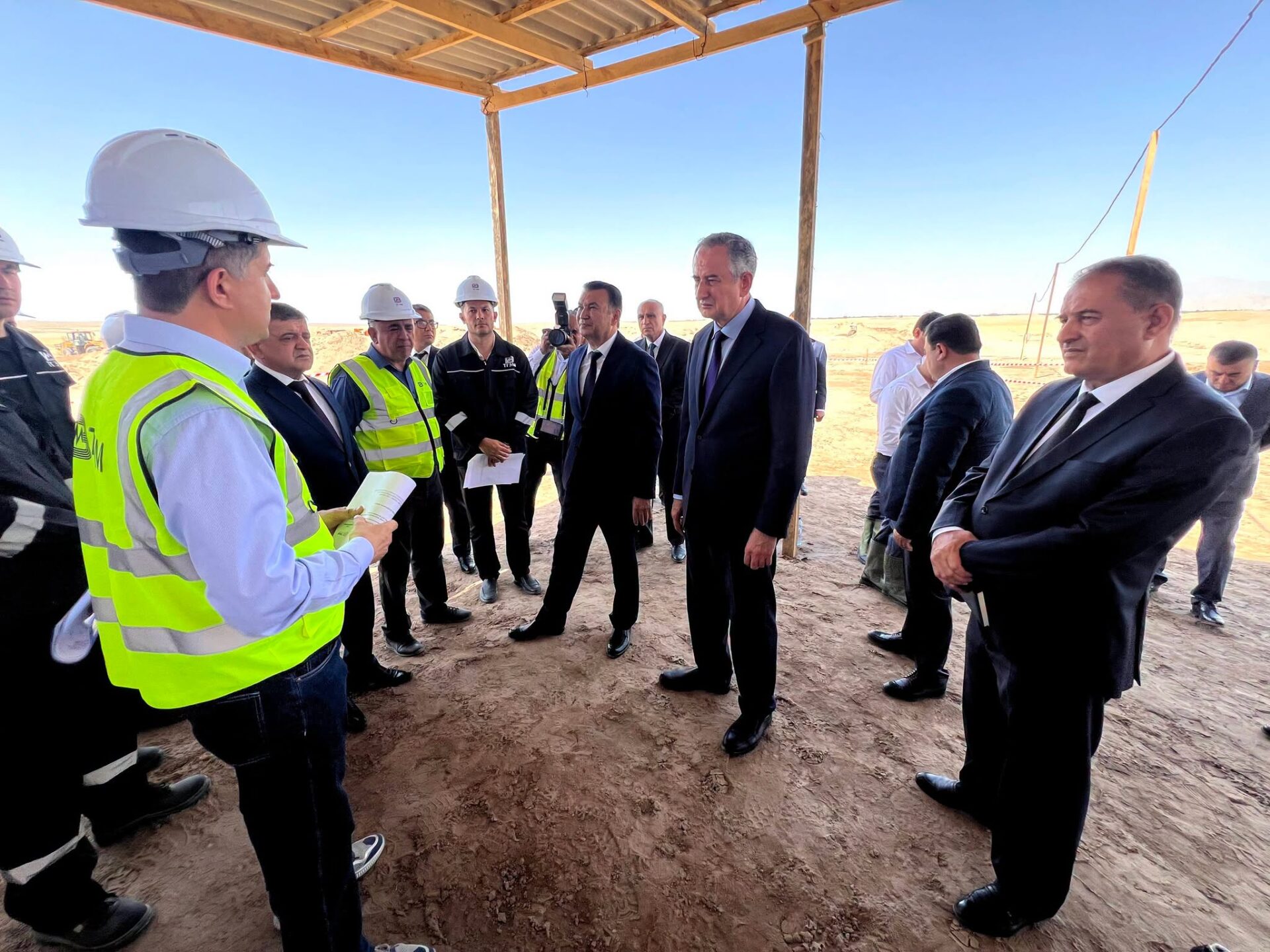
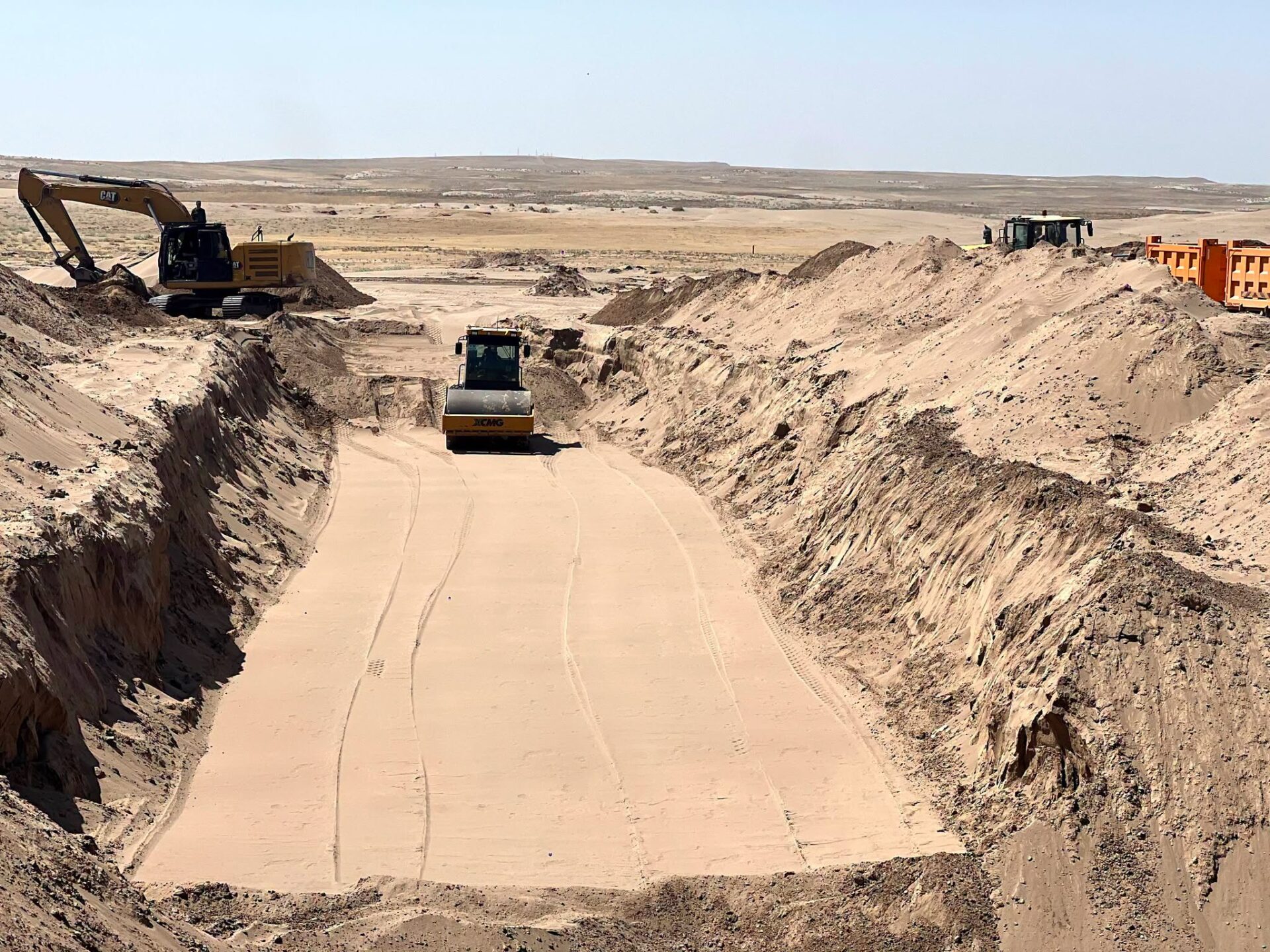
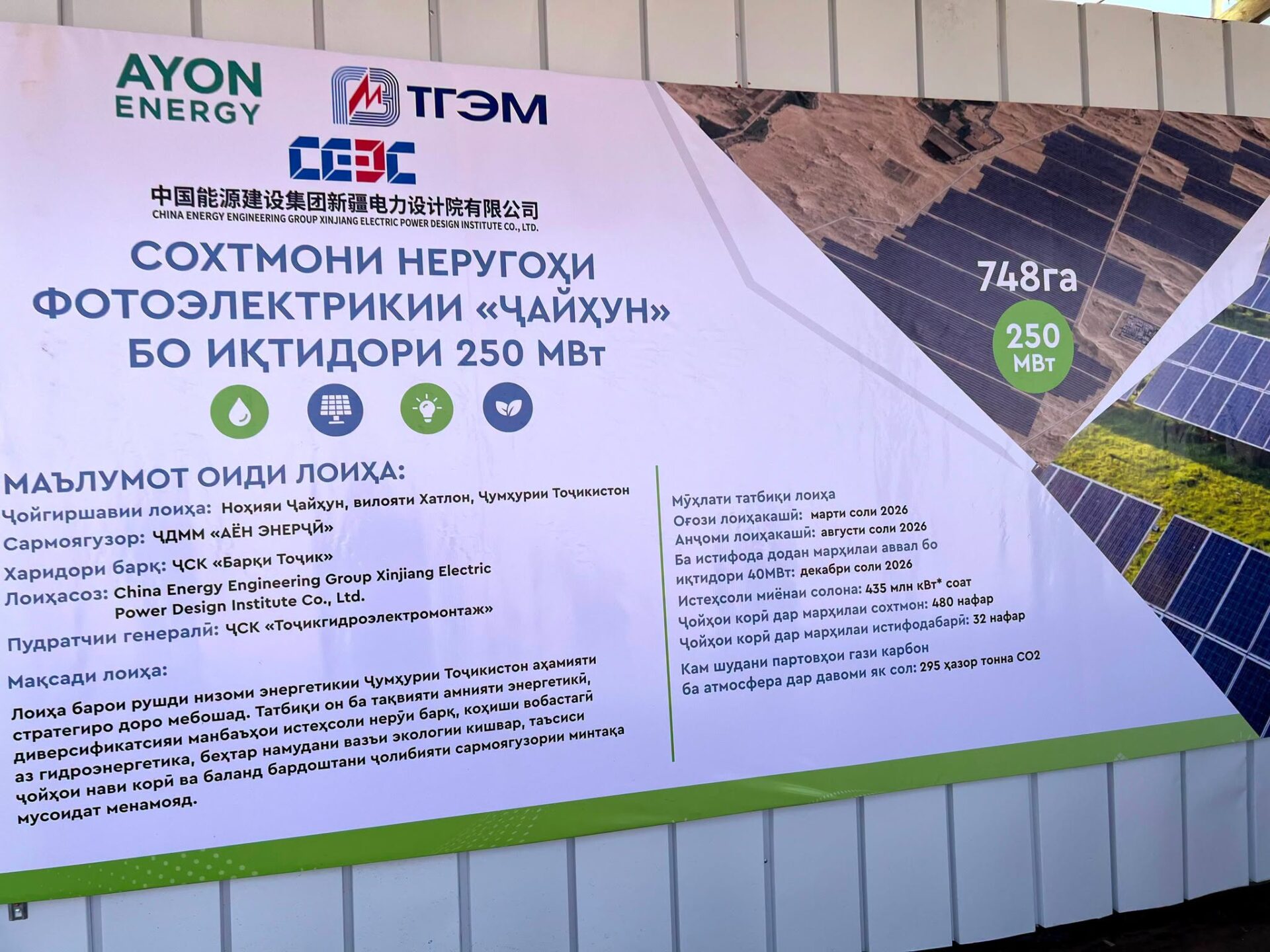
On the same day, Kokhir Rasulzoda visited the construction site of a 250-megawatt solar power plant in the village of Kuhdoman in the Jaykhun district and learned about the progress of one of the country's largest energy projects.
The construction of the solar power plant is part of Tajikistan's state policy to develop a green economy, efficiently use renewable energy sources, and strengthen the country's energy security.
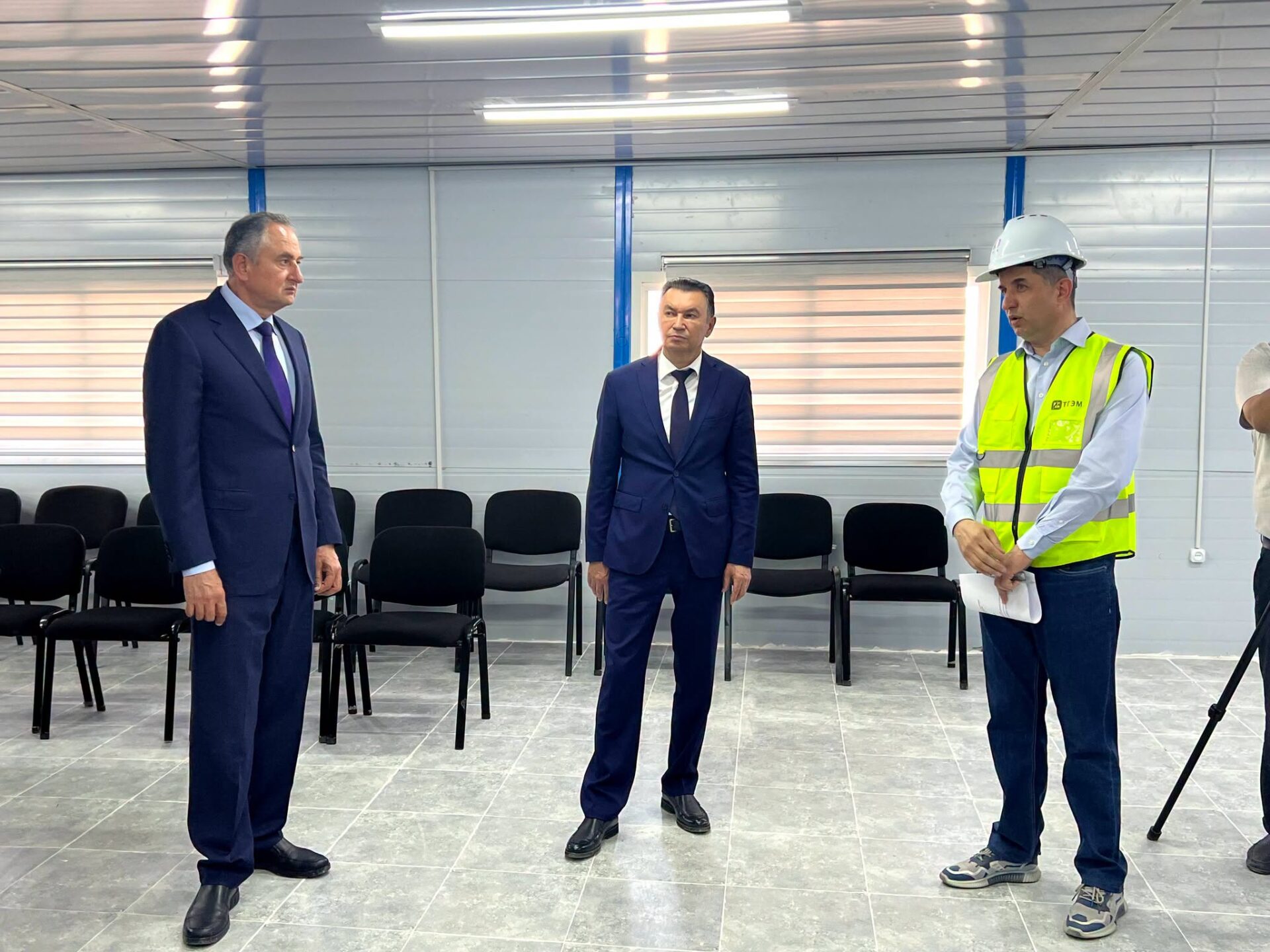
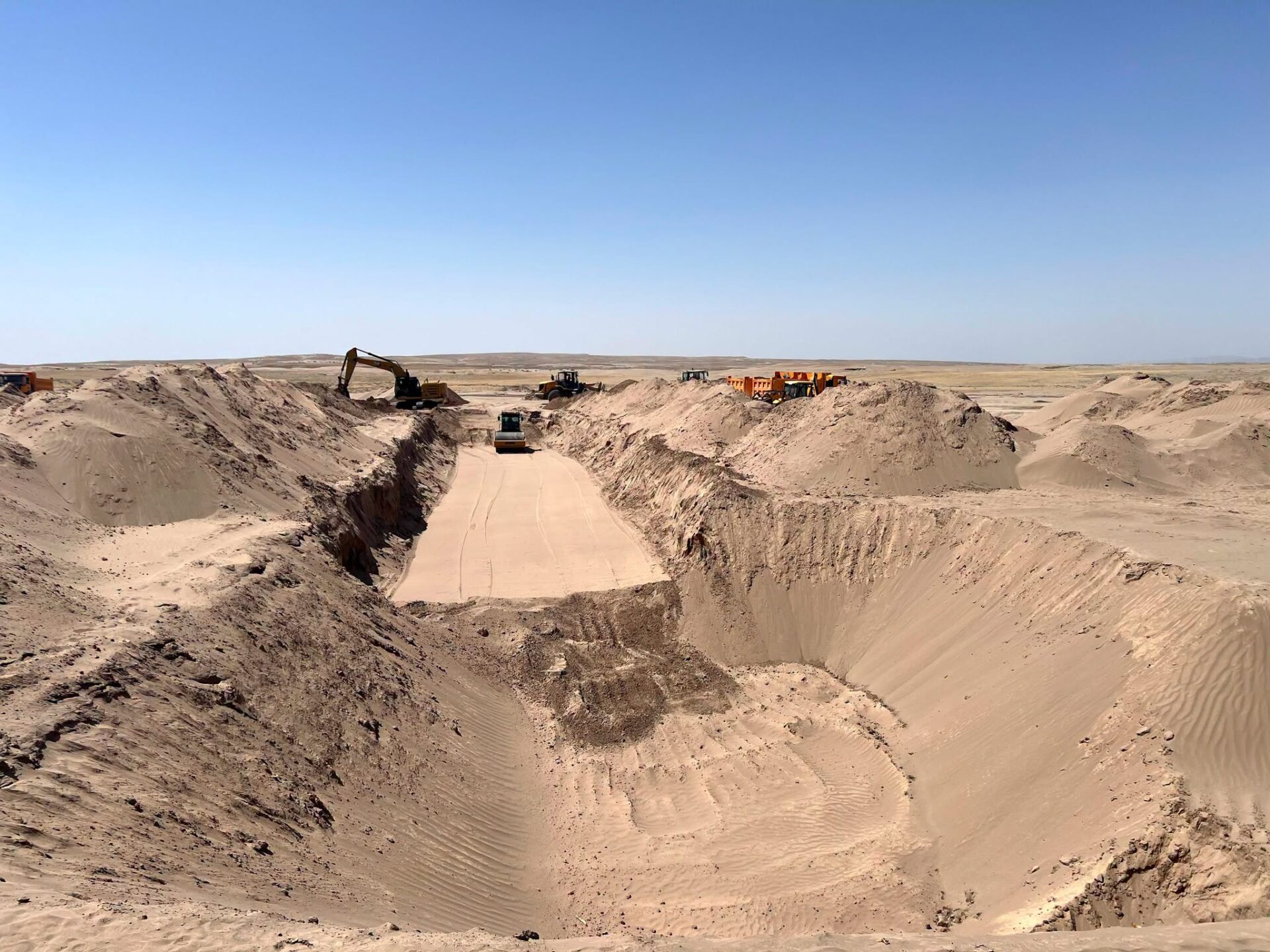
The 250-megawatt solar power plant is one of the largest solar energy projects in Tajikistan.
The facility is being built on the basis of an investment agreement between the Government of Tajikistan and the investor company Ayon Energy.
The project is being implemented within the framework of the Green Economy Development Strategy in the Republic of Tajikistan for 2023–2037 and is part of a $250 million investment program. The program includes the construction of two solar power plants in the Jaykhun and Asht districts.
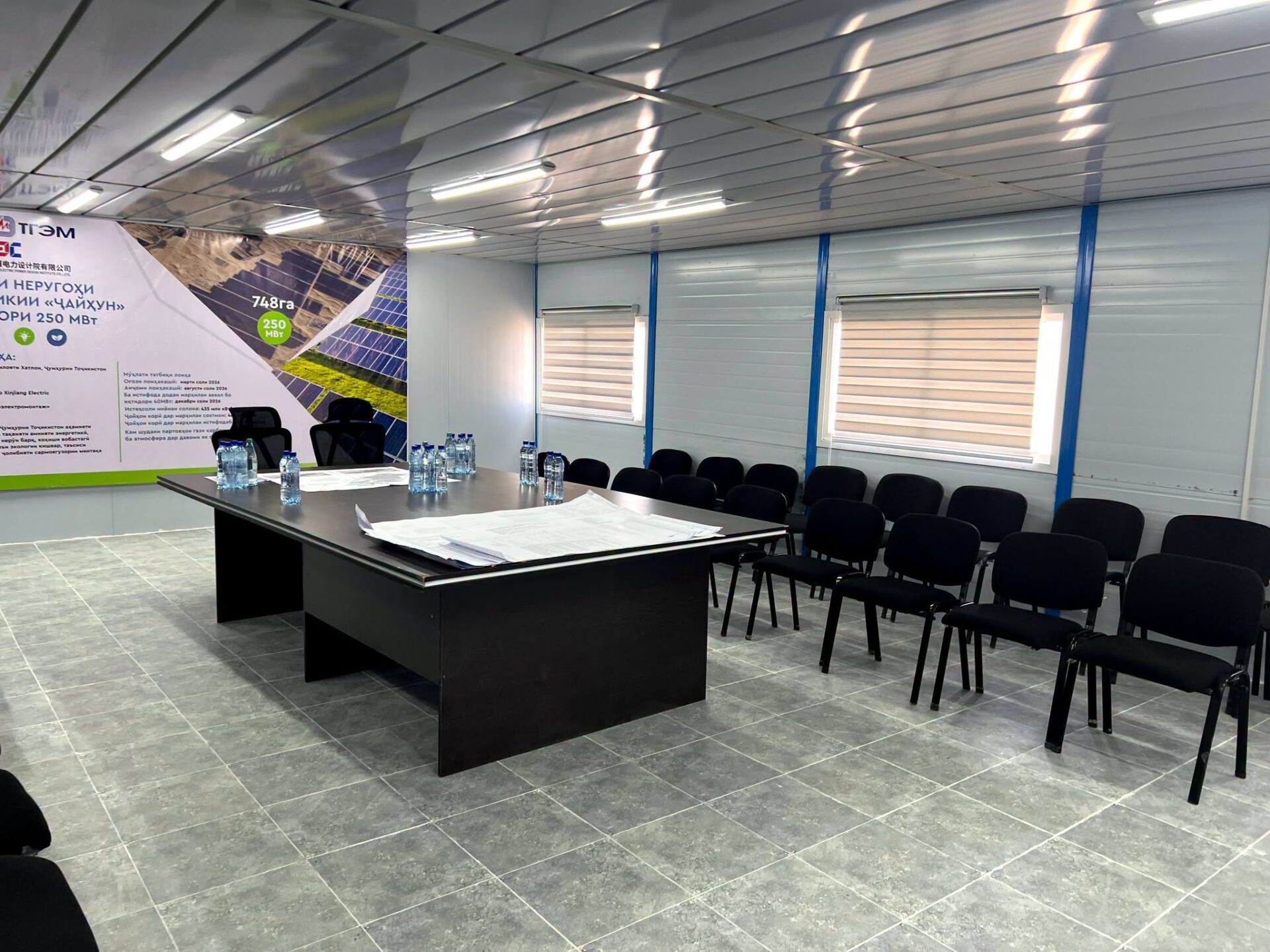
It was emphasized that the construction of large solar power plants, along with increasing the production of electricity from renewable sources, is key to achieving energy independence, developing a green economy, protecting the environment, and ensuring sustainable development of the national economy.
In the Jaykhun district, the Prime Minister also inspected the growth and development of the pistachio and almond orchards on the lands of Markazi Yaklukhti Khatlon LLC in the village of Ozodi.
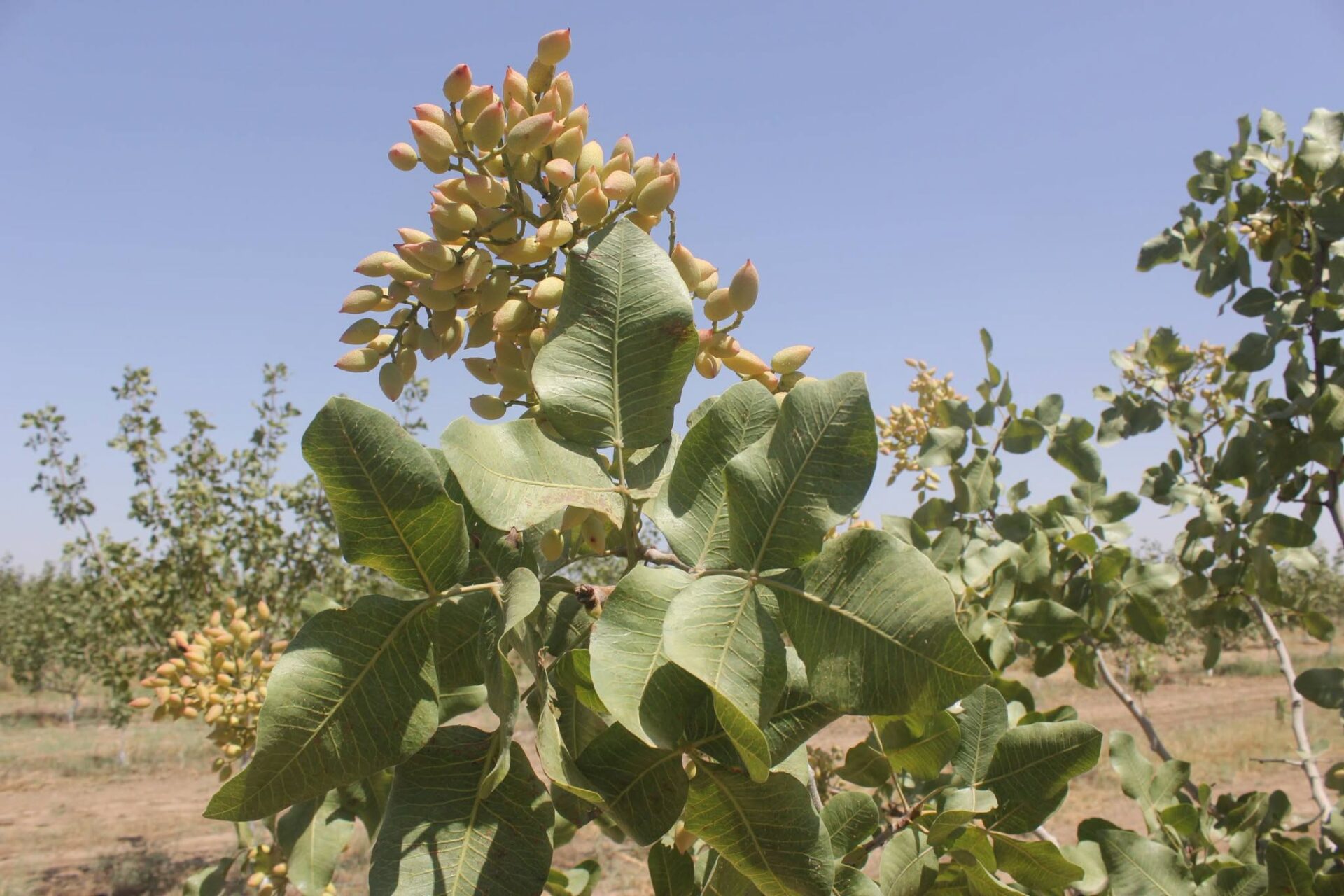
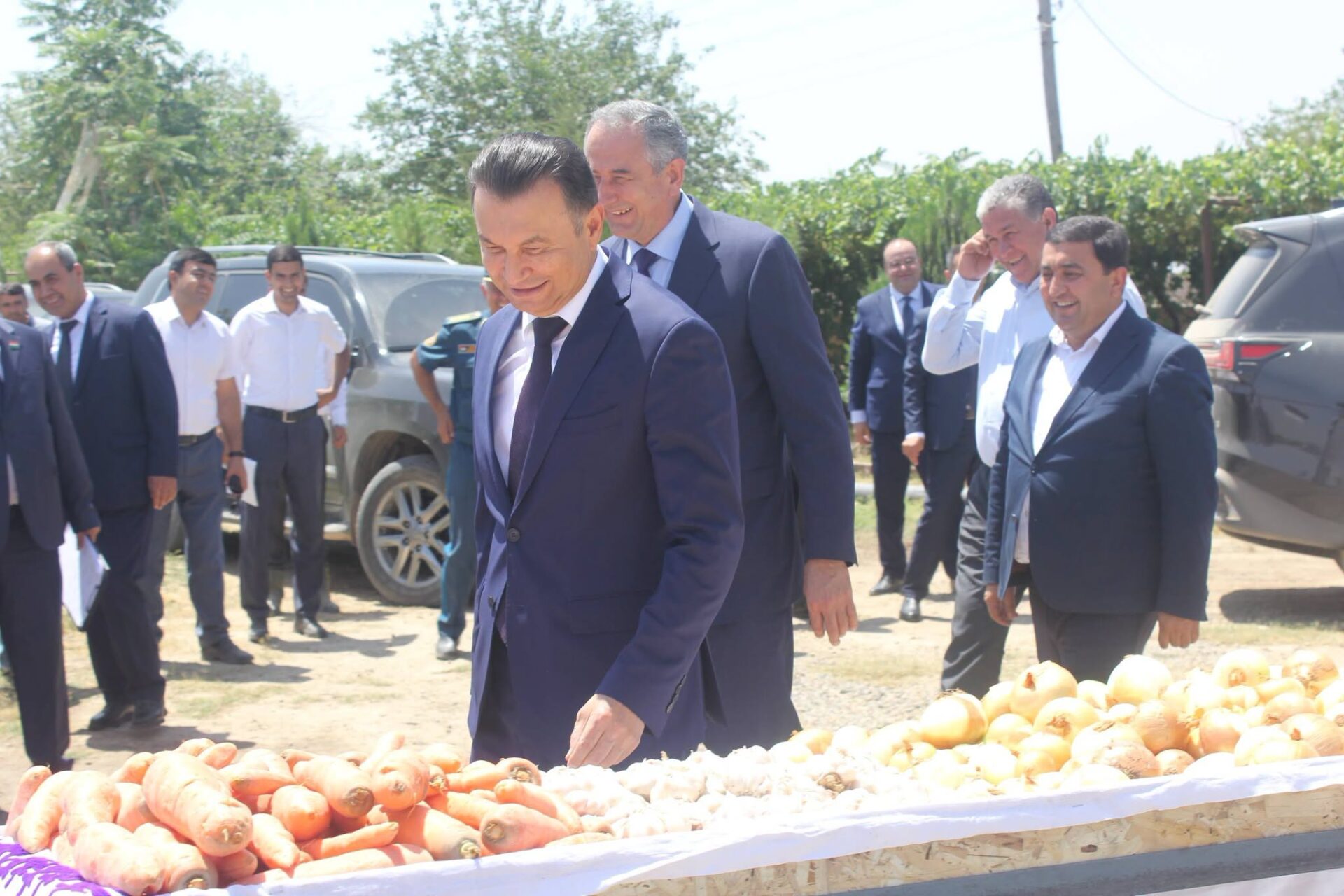
As noted, pistachio is a highly profitable tree adapted to hot and dry climates. Its cultivation is of economic and ecological importance for the rational use of low-yield lands, slopes, hilly areas, and unused lands.
The implementation of such projects contributes to improving the environment, reducing soil erosion and increasing the volume of production for export.
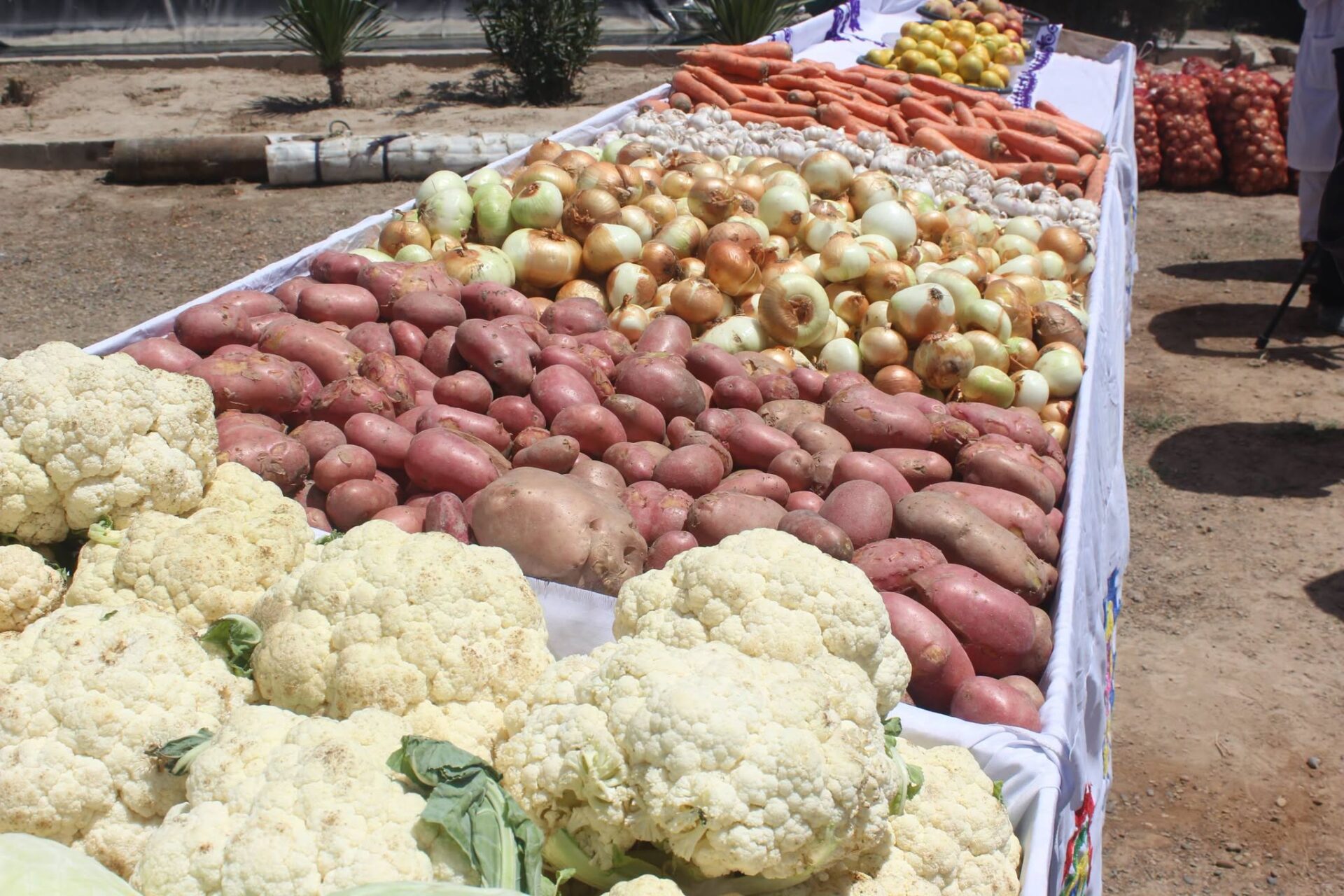
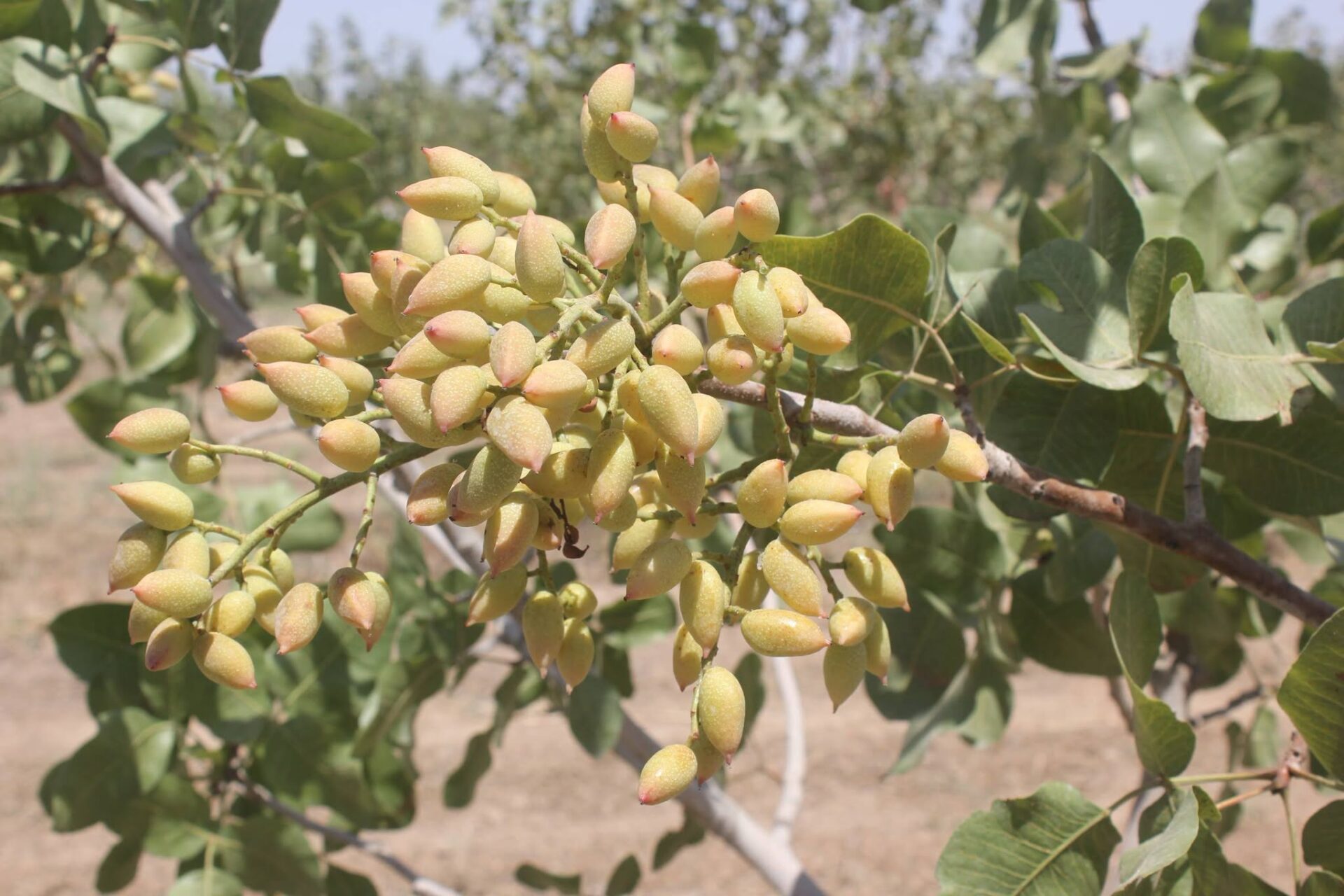
Since 2020, Markazi Yaklukhti Khatlon LLC has created a garden with a total area of 50 hectares.