Translated with AI












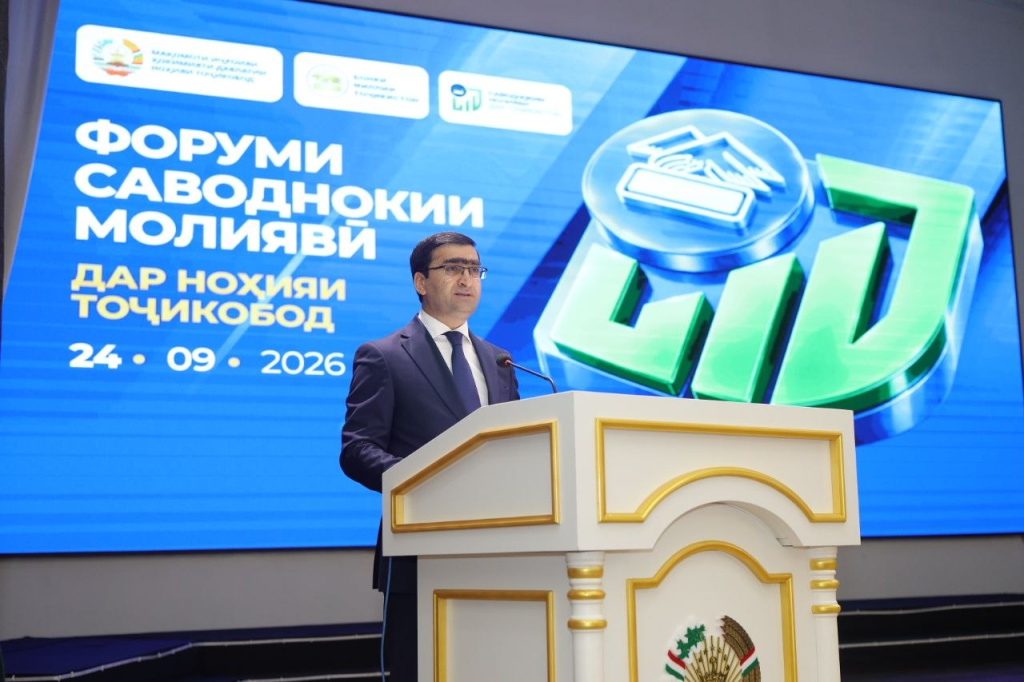




















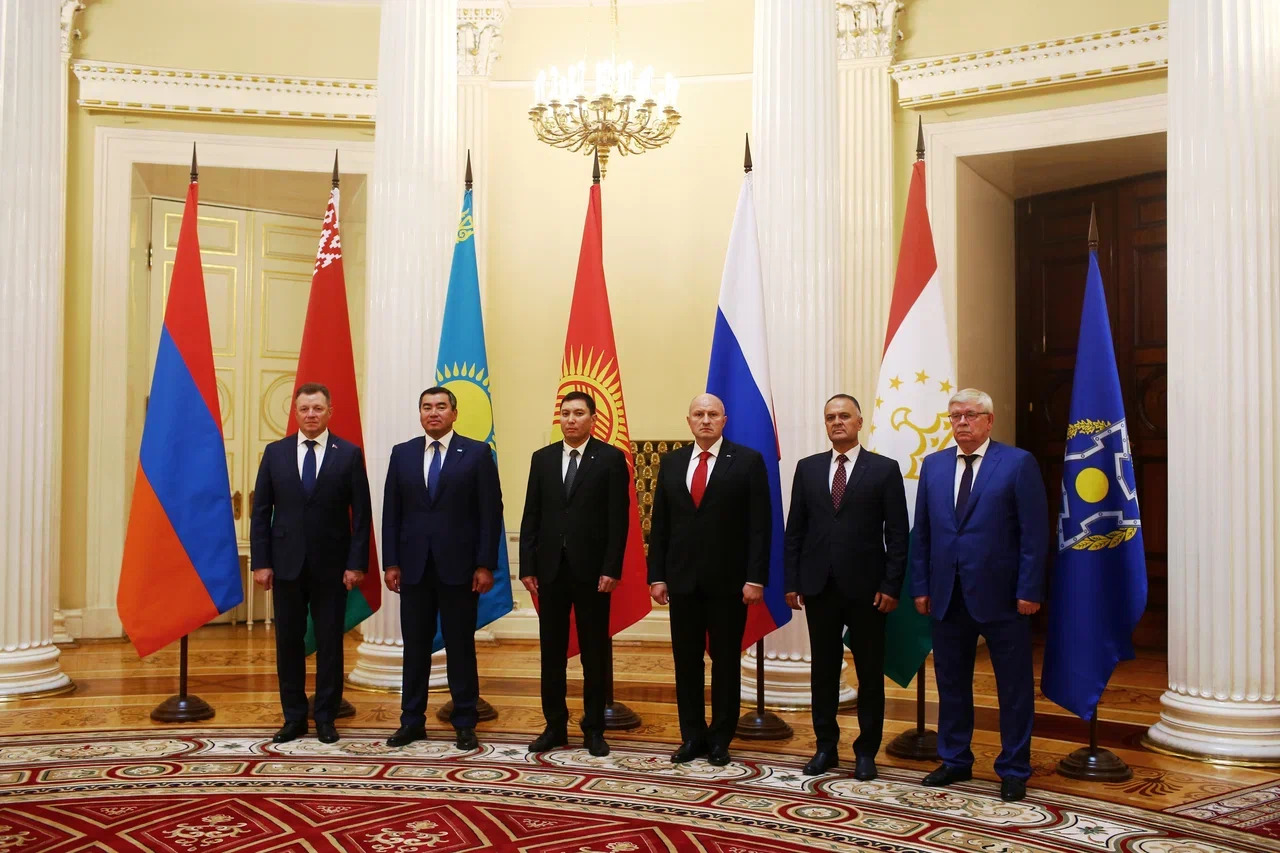
A Collective Security Treaty Organization humanitarian response center will be established in Tajikistan. This issue was among the key measures discussed by the heads of emergency response agencies of the CSTO member states at a meeting in St. Petersburg.
According to the CSTO press service, a series of events involving the heads of authorized bodies of the Organization's member states in the area of emergency prevention and response took place on June 30 and July 1, 2026, under the chairmanship of Alexander Kurenkov, Minister of the Russian Federation for Civil Defense, Emergencies, and Elimination of Consequences of Natural Disasters.
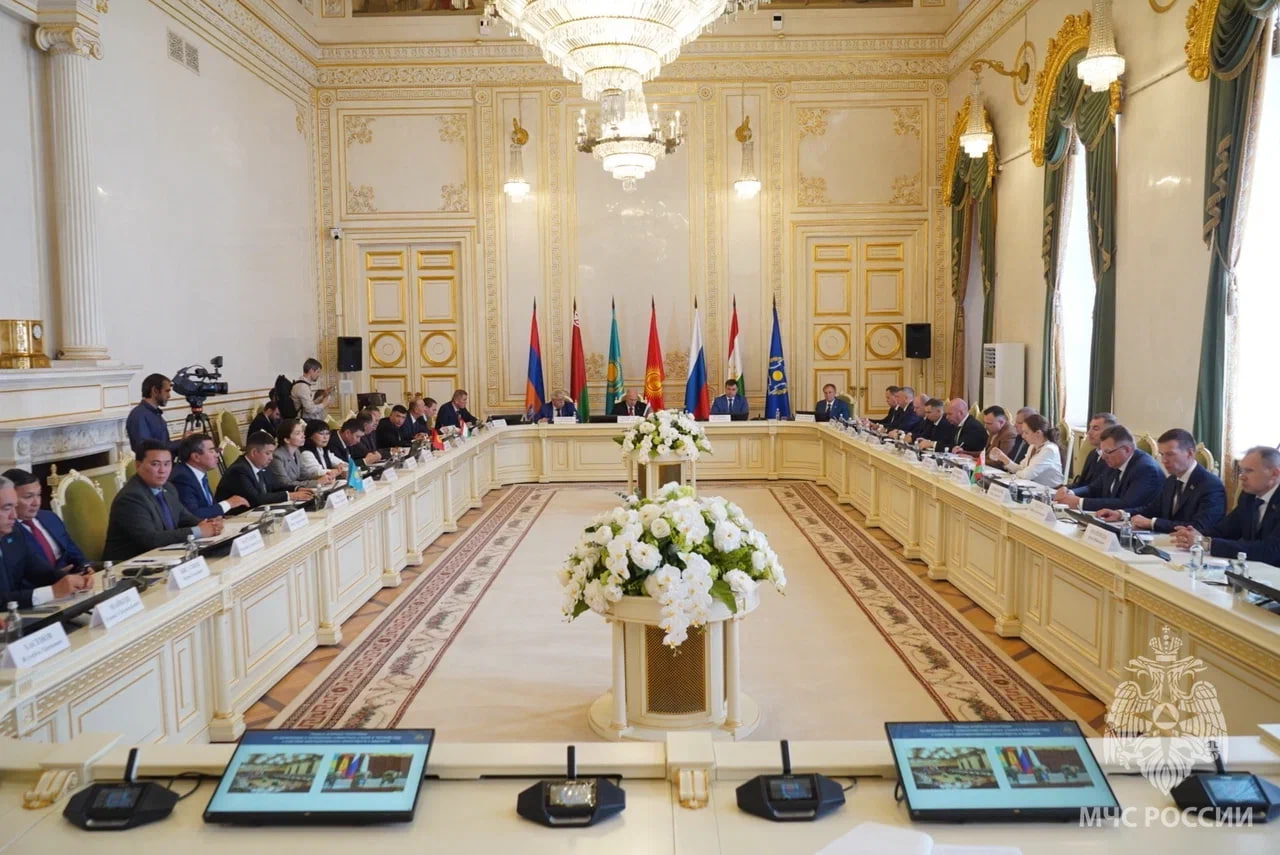
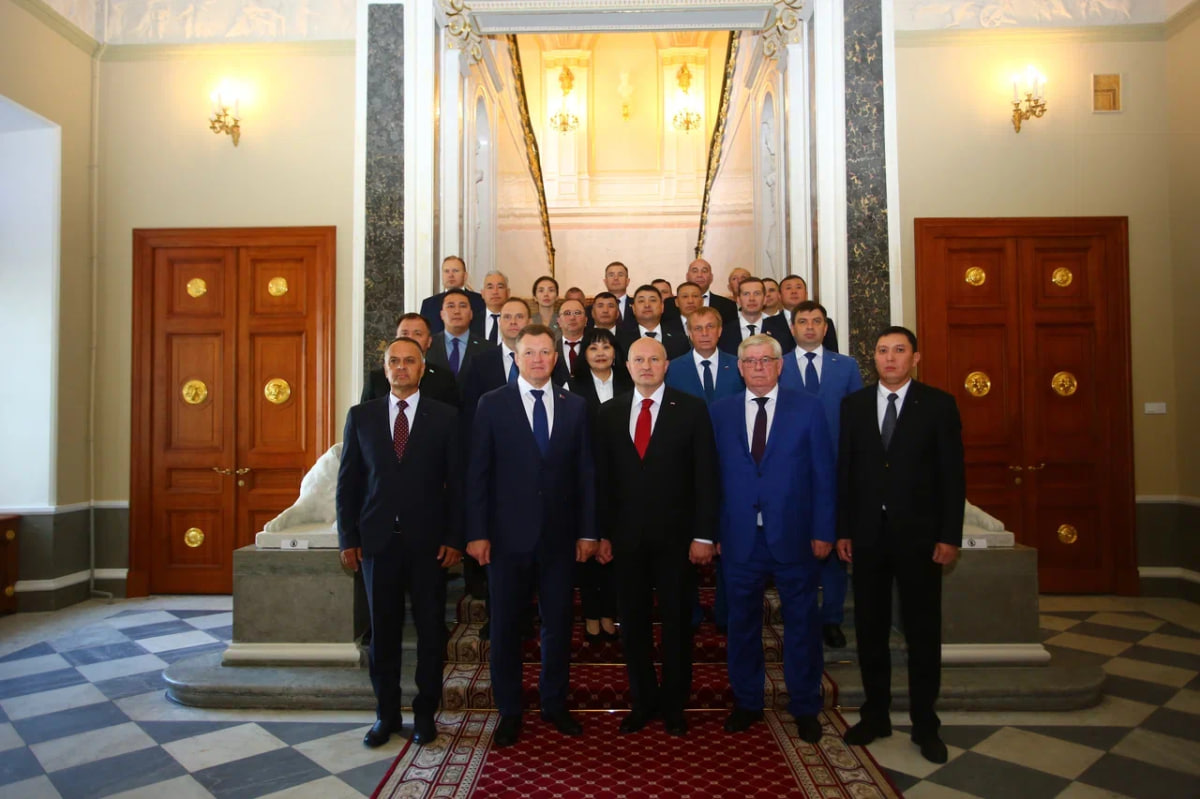
The central events of the program were the 17th meeting of the CSTO Coordination Council for Emergencies and large-scale interdepartmental exercises to eliminate the consequences of man-made emergencies.
The heads of rescue agencies from Belarus, Kazakhstan, Kyrgyzstan, and Tajikistan attended the June 30 meeting of the Coordination Council. Representatives of the CSTO Secretariat, led by Acting Secretary General Valery Semerikov, also participated.
Speaking to the meeting participants, Valery Semerikov stated the need to further strengthen the regulatory and institutional framework for interaction between CSTO member states.
According to him, significant work has already been carried out in the areas of military cooperation, countering terrorism, ensuring biological security, and combating drug trafficking as part of the implementation of decisions of the CSTO Collective Security Council.
The Acting Secretary General of the CSTO proposed considering the possibility of granting the Coordination Council for Emergencies the status of an executive body of the Organization in the format of the Council of Heads of Authorized Bodies of the CSTO Member States for Emergencies.
As noted at the meeting, such a decision could improve the efficiency of preparing proposals and making decisions in the event of an emergency, as well as ensure their mandatory implementation.
Particular attention was paid to the fact that natural and man-made emergencies can occur both in peacetime and during periods of heightened military and political tension. Therefore, as emphasized at the meeting, the relevant agencies must be constantly prepared to respond.
The meeting participants summarized the Coordinating Council's activities over the past period, discussed the draft work plan for next year, and identified key areas for medium-term planning.
Council members supported Valery Semerikov's proposal to develop a strategic planning document for the Coordination Council's activities in the medium term.
The meeting also discussed key events planned for 2026. Specifically, special exercises called "Skala-2026" are planned to be held in Tajikistan in October, involving units from emergency response agencies of CSTO member states.
In addition, the Cobalt-2026 exercises will be held in Tajikistan with special forces units of the CSTO Collective Rapid Reaction Forces.
Another area under consideration was the creation of a CSTO Humanitarian Response Center in Tajikistan.
The meeting participants also discussed preparations for a joint conference of the CSTO, CIS, and SCO on regional security issues. The event, organized by the Russian side, is scheduled for November 2026.
The meeting also addressed organizational issues, including the rotation of the chairmanship of the Coordination Council.
It was decided that in 2027, the chairmanship of the Council will be transferred to the Committee for Emergency Situations and Civil Defense under the Government of Tajikistan.
The heads of delegations noted the importance of the dialogue and emphasized the readiness of CSTO member states to provide assistance to each other.
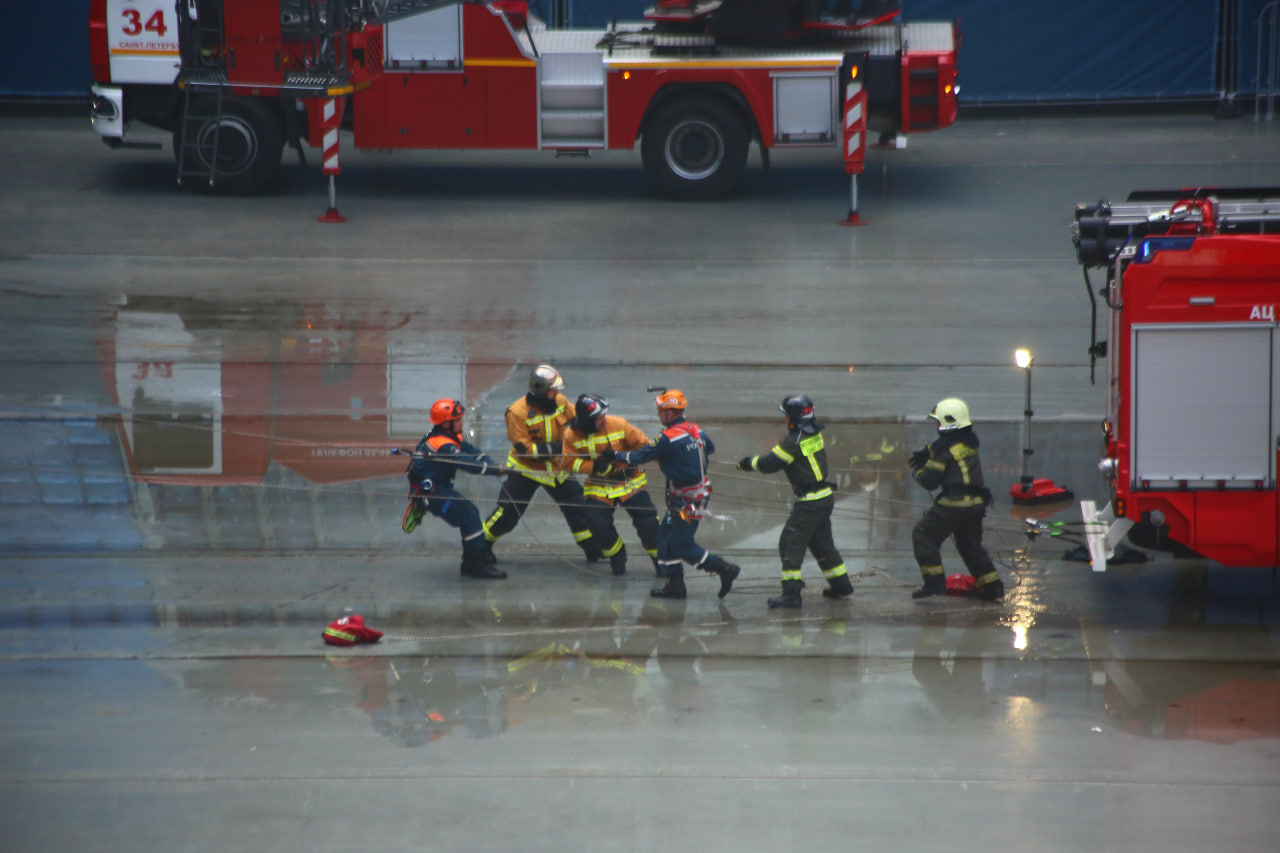
The practical part of the program included large-scale interdepartmental exercises to eliminate the consequences of man-made emergencies.
The exercises involved emergency medical services, units of the Russian National Guard and the Russian Ministry of Internal Affairs, firefighting equipment, aviation, and watercraft.
According to the CSTO, the exercises demonstrated the high level of readiness of the Russian emergency warning and response system.
The delegation leaders also familiarized themselves with the modern fire and rescue equipment and machinery of the St. Petersburg garrison.
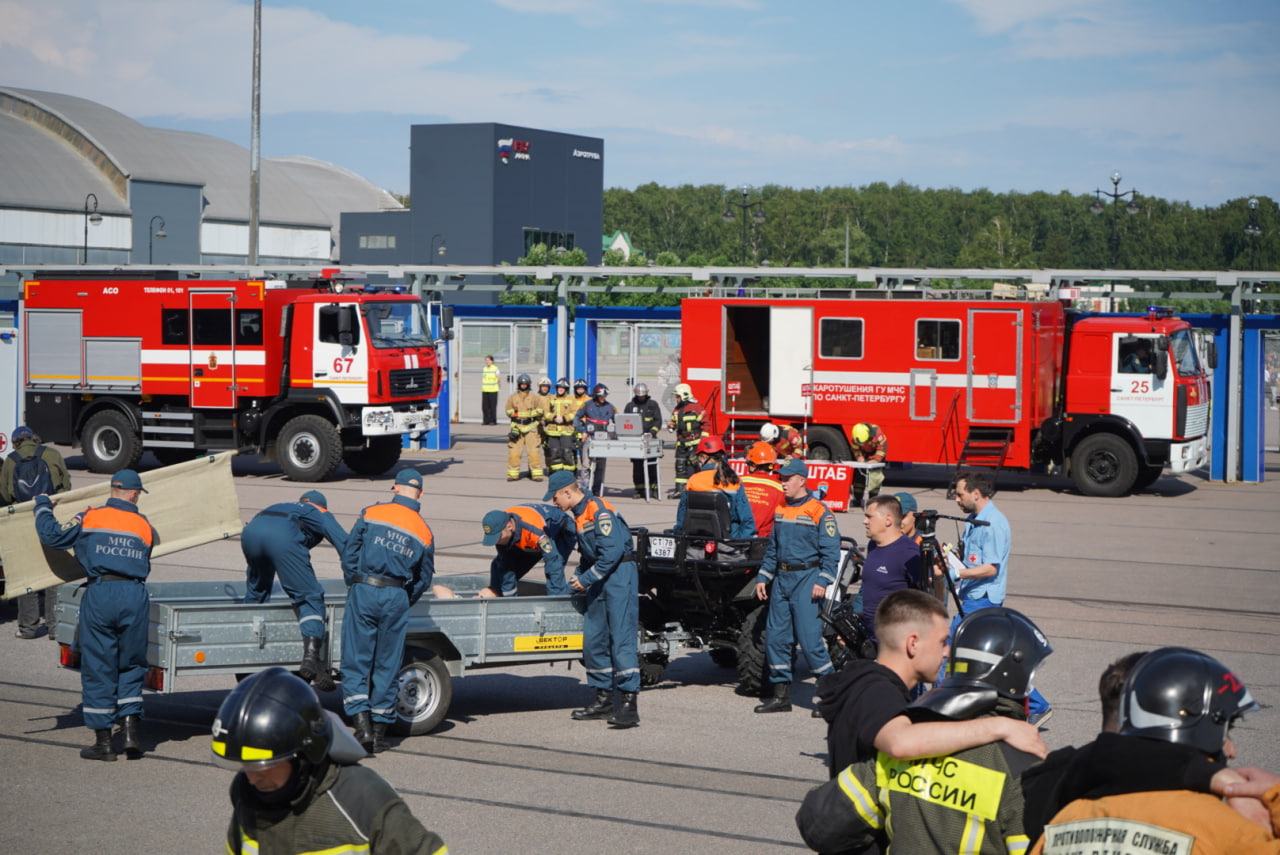
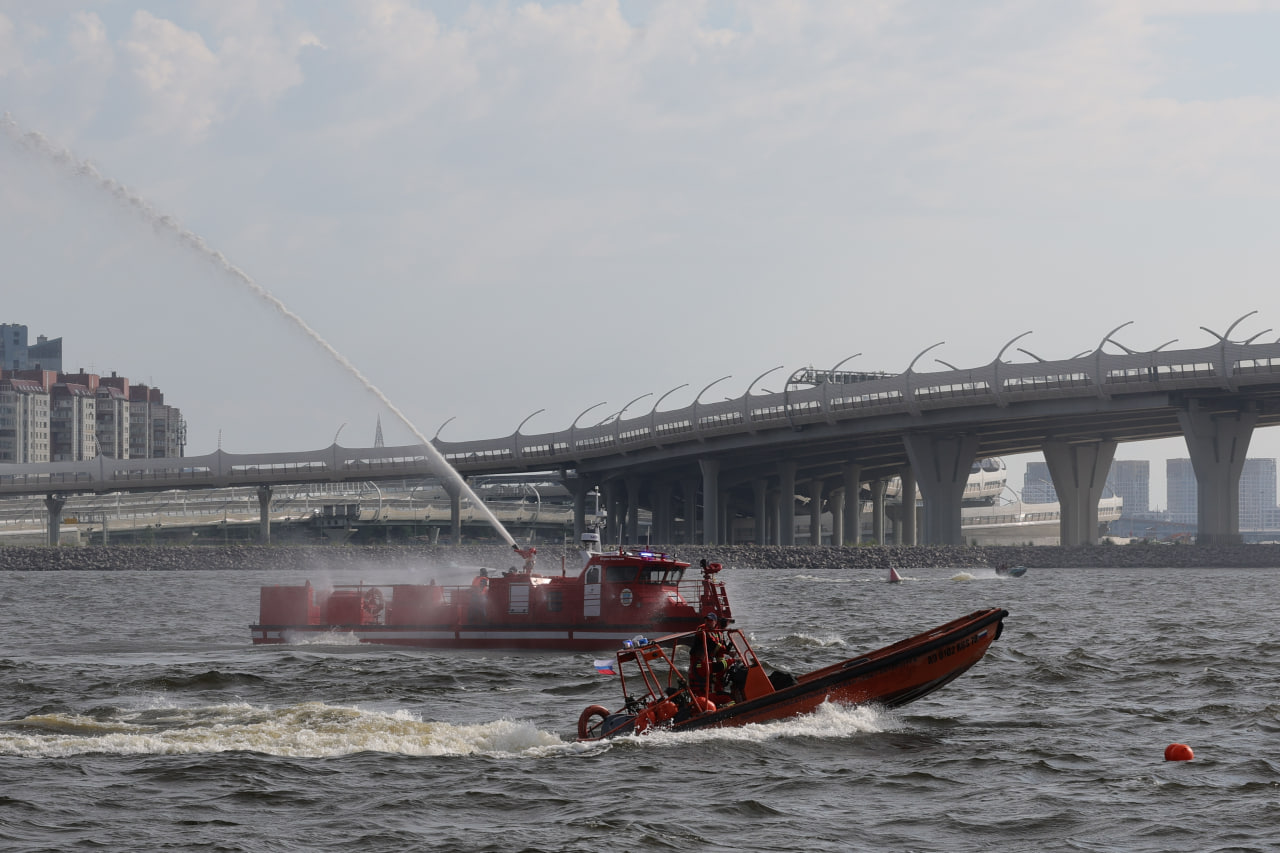
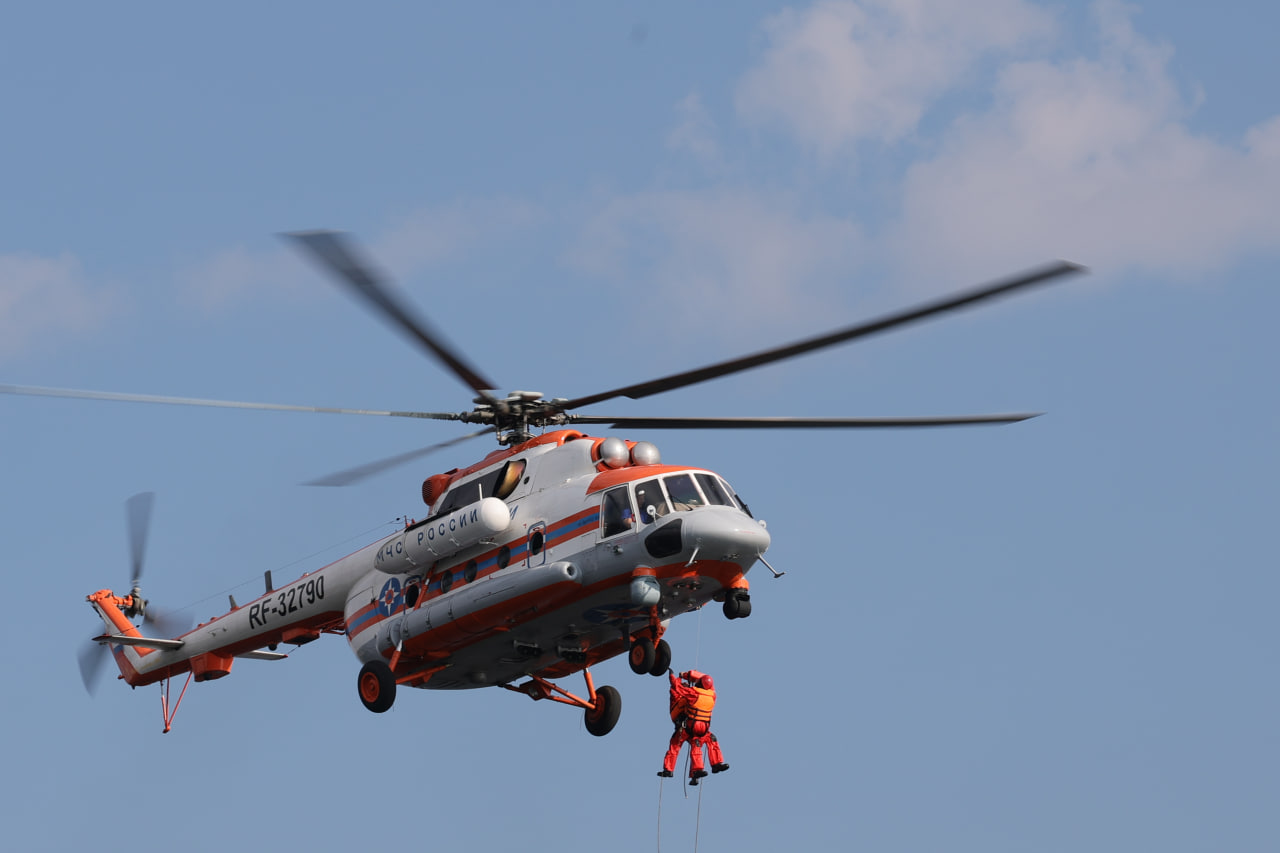
On July 1, heads of delegations and representatives of the CSTO Secretariat took part in a graduation ceremony for graduates of the St. Petersburg University of the State Fire Service of the Ministry of Emergency Situations of Russia named after Hero of the Russian Federation, General of the Army Yevgeny Zinichev.
Among the graduates were citizens of CSTO member states who completed training in specialized fields in fire safety and emergency protection.
The CSTO noted that joint training of qualified specialists remains one of the priority areas of cooperation among the Organization's member states.