Translated with AI








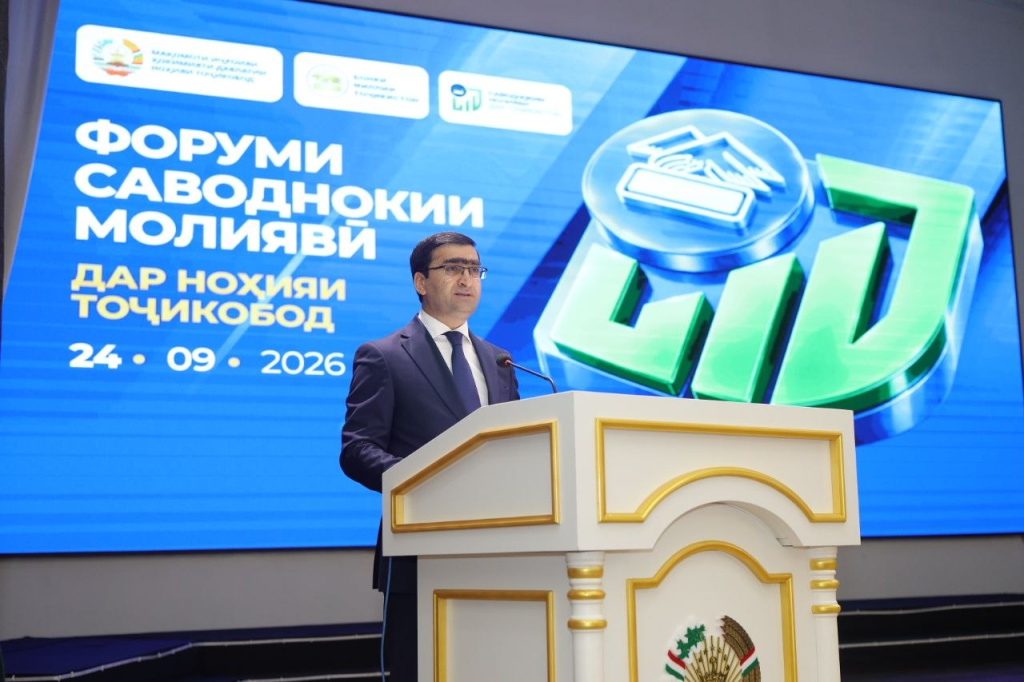















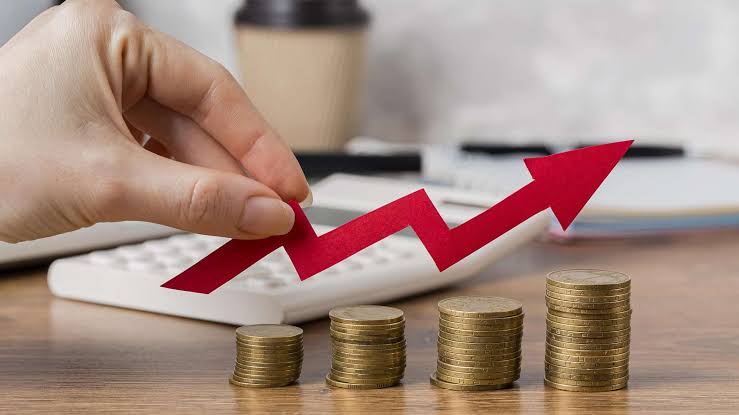
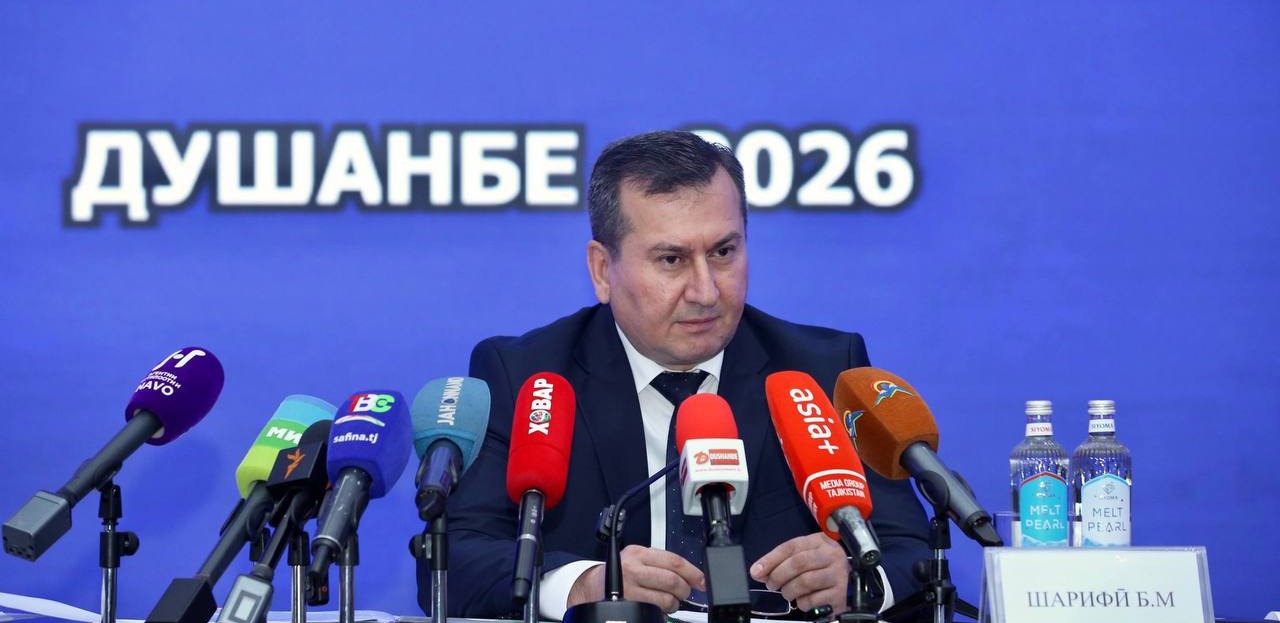
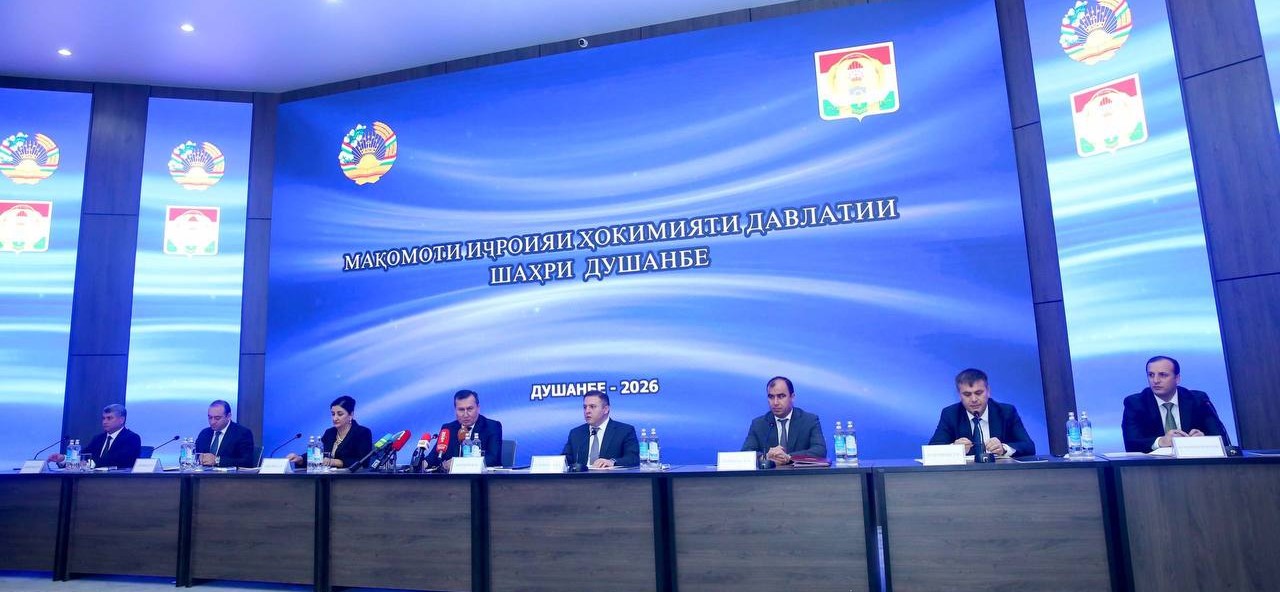
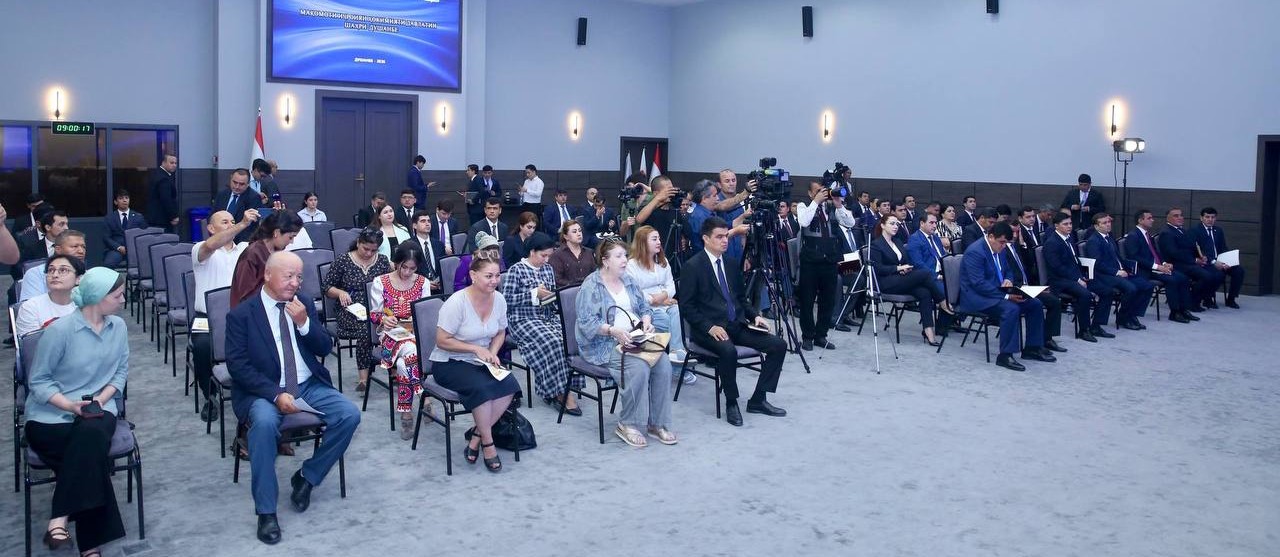
Dushanbe's gross regional product (GRP) for the first half of 2026 amounted to 19.2 billion somoni , representing a real increase of 8.1% compared to the same period last year. The capital accounted for 24% of Tajikistan's gross domestic product , confirming Dushanbe's status as the country's largest economic center. This was announced today at a press conference on the capital's socioeconomic development for the first half of 2026.
As First Deputy Mayor of Dushanbe Bakhtiyor Sharifi noted, sustainable economic growth is ensured by the implementation of state policies aimed at developing industry, construction, services, transport infrastructure, and attracting investment.
According to him, during the reporting period, the city's executive authority continued to implement large-scale programs to modernize the capital, develop entrepreneurship, support domestic producers, and create a favorable investment climate.
One of the main drivers of economic growth was the increase in industrial production. Over the past six months, Moscow's enterprises significantly increased their output, expanded their range of import-substituting goods, and increased the production of products with export potential.
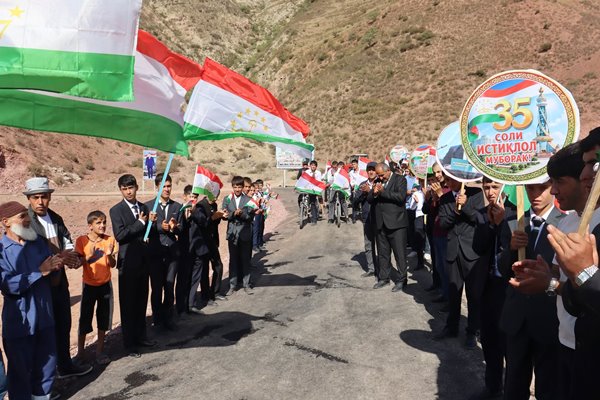
Positive growth was also observed in the construction, trade, transportation, and services sectors. In Dushanbe, construction continues on new residential complexes, social facilities, engineering infrastructure, and public amenities in preparation for the 35th anniversary of Tajikistan's state independence.
According to the city administration, economic development is accompanied by the active implementation of digital technologies, the expansion of electronic government services, and the implementation of Smart City projects, which contribute to increased management efficiency and improved service quality.
The capital's authorities note that sustainable growth rates not only allow Dushanbe to maintain its leading position in the country's economy but also create additional opportunities for business development, attracting investment, and improving the population's standard of living.
In the second half of the year, city authorities intend to continue implementing investment projects, developing the manufacturing sector, digitalizing urban infrastructure, and constructing new social facilities.