Translated with AI


























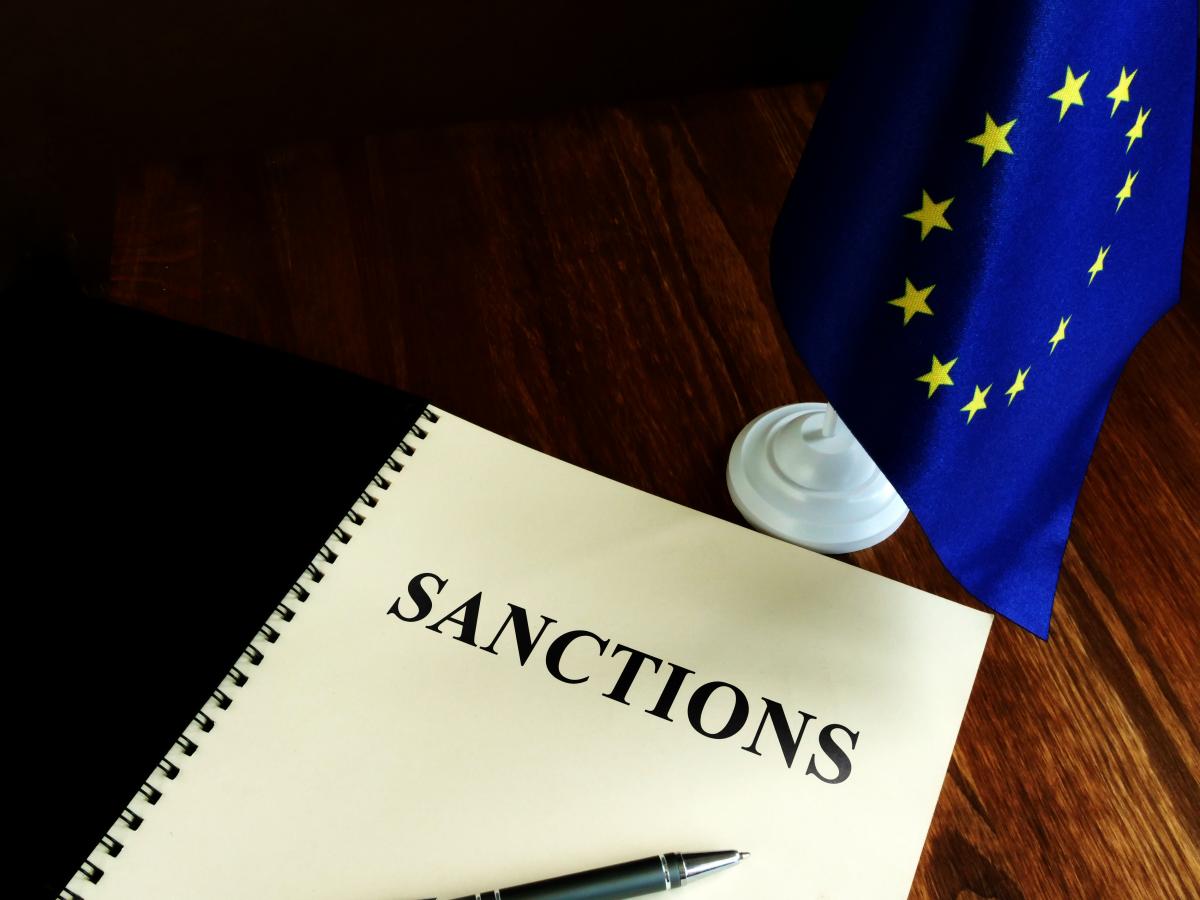
European Union ambassadors agreed on the 19th sanctions package against Russia over its war in Ukraine, which includes a ban on imports of Russian liquefied natural gas (LNG). The Danish EU Presidency announced this on Wednesday, according to Reuters.
Slovakia was the last EU member state to reject the text of the sanctions package after the bloc reached a final agreement last week. Slovak Prime Minister Robert Fico demanded that the European Commission guarantee high energy prices and take climate goals into account when reconciling the interests of automakers and heavy industry. As a result of the negotiations, Slovakia's demands were accommodated by adding new clauses to the final communiqué of the EU leaders' summit.
The document also states that following the Council's written approval procedure, the sanctions package will be formally adopted in the absence of objections, which is expected tomorrow by 8:00 a.m. Central European Time.
The ban on Russian LNG imports will be introduced in stages: short-term contracts will expire in six months, and long-term contracts will expire on January 1, 2027. The full ban comes into effect one year earlier than envisaged in the European Commission's roadmap for ending the EU's dependence on Russian fossil fuels.
Furthermore, the sanctions package includes new travel restrictions for Russian diplomats and adds 117 vessels from Moscow's "shadow fleet," primarily tankers, to the list of sanctioned entities. This brings the total number of vessels subject to restrictions to 558.
Earlier, US Treasury Secretary Scott Bessent announced that Washington would also soon announce new sanctions against Russia and called on EU allies, G7 countries, Canada, and Australia to join efforts to tighten restrictive measures against the Russian Federation.