Translated with AI






















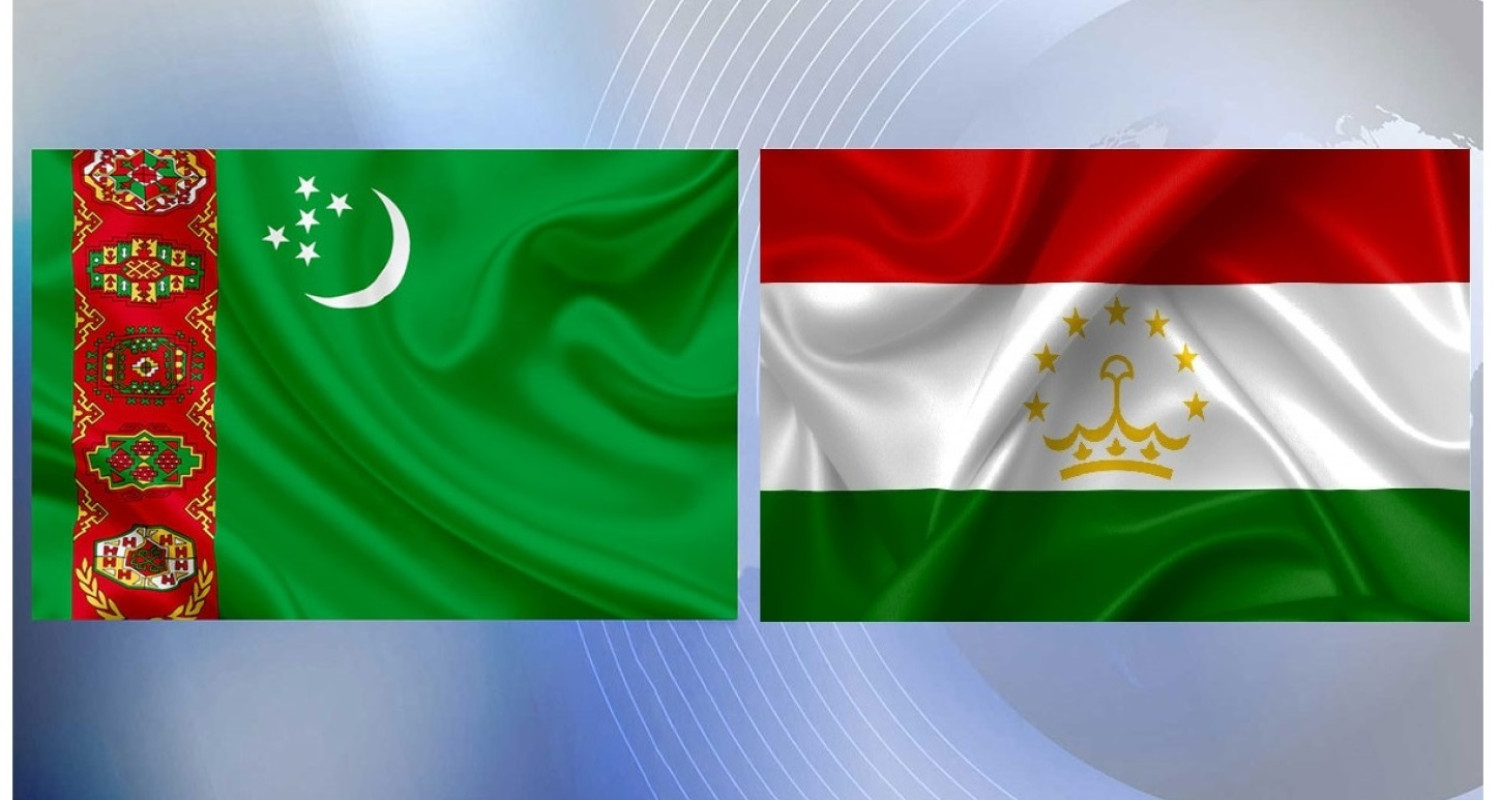
2026 marks the 33rd anniversary of the establishment of diplomatic relations between Turkmenistan and the Republic of Tajikistan. They were officially established on January 27, 1993. Since then, bilateral cooperation has become stable, progressive, and multifaceted, encompassing political, trade, economic, humanitarian, cultural, and educational spheres.
Turkmen-Tajik relations are based on a solid foundation of centuries-old friendship and the historical and cultural commonality of their peoples. In recent years, they have acquired new momentum, largely facilitated by the trusting, fraternal relationship between the heads of state, as well as regular contacts and high-level negotiations, which contribute to the progressive deepening of cooperation in all key areas.
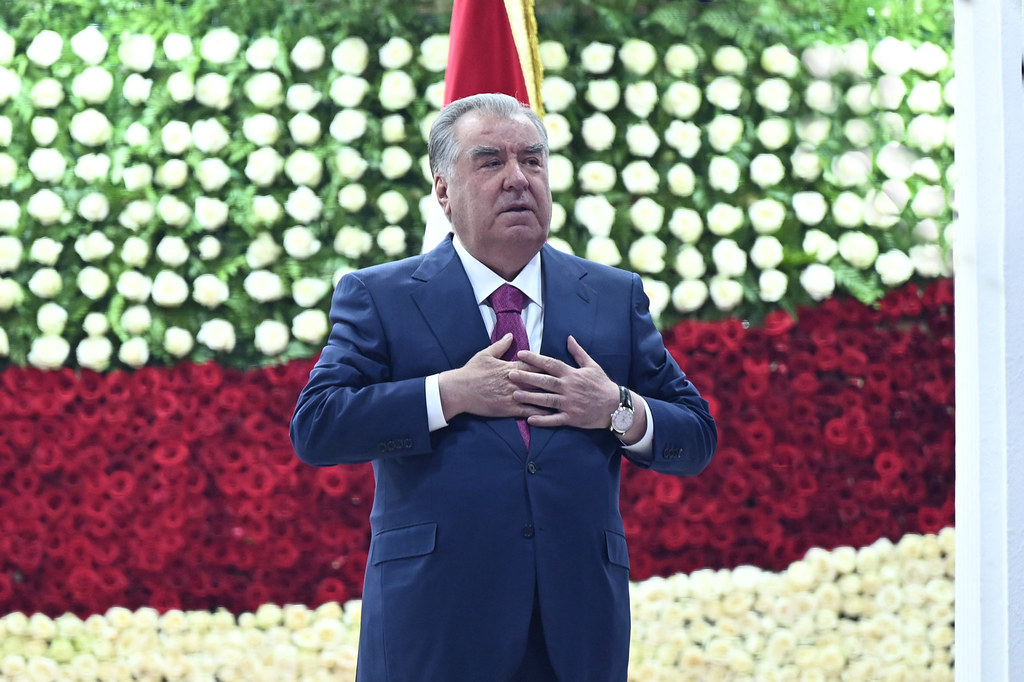
Of particular importance in this context are mutual visits and meetings between the leaders of the two countries. These include the state visit of the President of the Republic of Tajikistan Emomali Rahmon to Turkmenistan on August 3–4, 2021; the state visit of the President of Turkmenistan Serdar Berdimuhamedov to the Republic of Tajikistan on May 10–11, 2023; the working visit of the President of the Republic of Tajikistan to Turkmenistan on August 4, 2023, to participate in the trilateral meeting of the heads of state of Turkmenistan, Tajikistan, and Uzbekistan; and the working visit of the President of Turkmenistan to Dushanbe on September 14–15, 2023, to participate in the Fifth Consultative Meeting of the Heads of State of Central Asia and the meeting of the Council of Heads of State – founders of the International Fund for Saving the Aral Sea.
The official visit of the National Leader of the Turkmen people, Chairman of the Halk Maslakhaty of Turkmenistan Gurbanguly Berdimuhamedov to the Republic of Tajikistan on April 4–5, 2024, also marked an important stage in the development of bilateral dialogue. The consistent development of political interaction at the highest level was continued by the working visit of the President of the Republic of Tajikistan to Ashgabat on October 11, 2024 to participate in the International Forum dedicated to the 300th anniversary of the birth of Makhtumkuli Fragi, as well as a number of visits in 2025, including the working visit of the President of Tajikistan to the city of Turkmenbashi on August 4-5, 2025 to participate in the Third UN Conference on Landlocked Developing Countries, the working visit of the President of Turkmenistan to Dushanbe on October 9-10, 2025 to participate in the Second Central Asia-Russia Summit and the meeting of the CIS Heads of State Council, as well as the working visit of the President of the Republic of Tajikistan to Ashgabat on December 11-12, 2025 to participate in the International Forum on the occasion of the 30th anniversary of Turkmenistan's permanent neutrality.
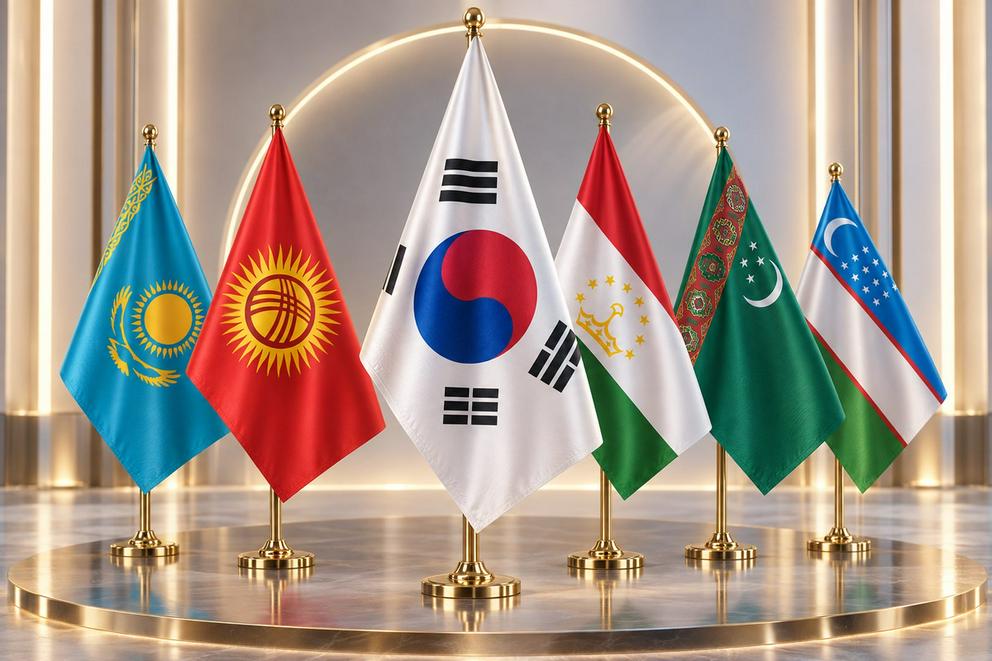
Interparliamentary cooperation is also steadily developing. Regular contacts have been established between the Mejlis of Turkmenistan and the Majlisi Oli of the Republic of Tajikistan, and parliamentary friendship groups are actively functioning. In this regard, it is worth noting the visit of the Chairman of the Majlisi Milli Majlisi Oli of the Republic of Tajikistan, Rustami Emomali, to Turkmenistan in May 2022, the participation of the Tajik parliamentary delegation in the Second Meeting of Speakers of Parliaments of Central Asian Countries and the Republic of Korea in Ashgabat in October 2024, and the meeting of the interparliamentary friendship group between the two countries in Dushanbe in November 2025 as part of the CIS Interparliamentary Assembly.
A significant place in the political dialogue between Turkmenistan and the Republic of Tajikistan is occupied by interaction within the framework of international initiatives consistently put forward and supported by the parties at the global level.
At the same time, the parties actively cooperate at multilateral international forums, including the UN, OIC, OSCE, CIS, SCO, ECO, IFAS, and other organizations, demonstrating the high level of coordination between Turkmenistan and Tajikistan's foreign policy approaches. Within international organizations, a stable practice of mutual support for initiatives and candidates has been established, reflecting the closeness of the two countries' positions on key issues on the global and regional agendas.
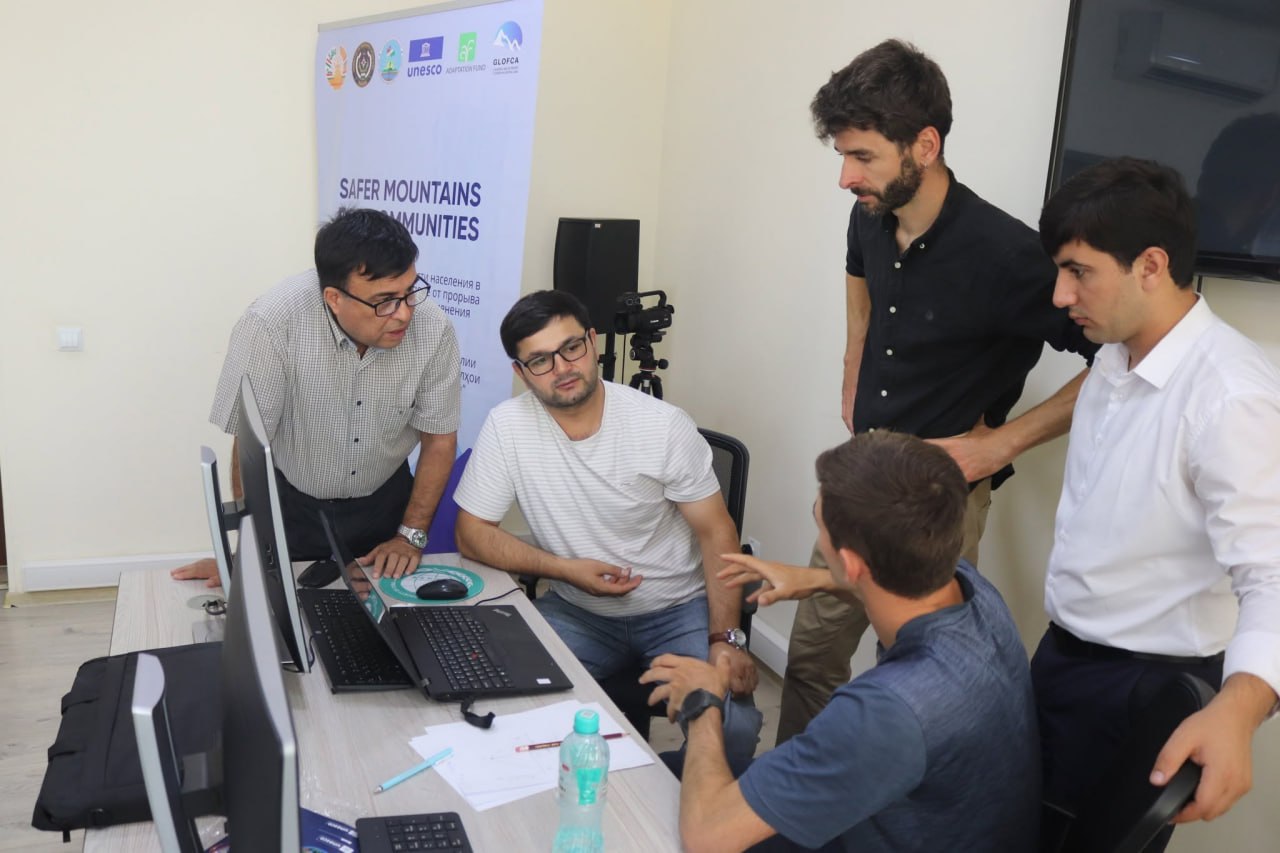
Turkmenistan's participation in key international forums on water and environmental issues, including the Second International High-Level Conference on the International Decade for Action "Water for Sustainable Development, 2018–2028" (Dushanbe, June 7, 2022) and the International High-Level Conference on Glacier Protection (Dushanbe, May 2025), demonstrated the commonality of the parties' approaches to water issues as one of the system-forming factors of regional stability, sustainable development and the prevention of potential conflicts.
The consistent position of the Turkmen side within the framework of these platforms clearly confirmed the strategic and long-term nature of bilateral cooperation in the area of water and environmental security, as well as its inextricable link with the development of a trusting political dialogue between Turkmenistan and the Republic of Tajikistan.
In a broader context, this approach fits seamlessly into Turkmenistan's peacebuilding agenda, based on the principles of trust, dialogue, and a policy of permanent neutrality. In a tense international environment, an emphasis on preventive diplomacy and the creation of an atmosphere of mutual trust has acquired conceptual significance and is a logical continuation of international discussions on environmental security and sustainable development. Symbolic confirmation of international support for this approach was the adoption of a special UN General Assembly resolution on March 21, 2024, declaring 2025 the International Year of Peace and Trust.
Preparations for the event included the development of a Concept of Events and the creation of a State Organizing Committee, ensuring the initiative's systemic and comprehensive nature. The culmination of the International Year of Peace and Trust was the holding of an International Forum in Ashgabat on December 12, 2025, which also coincided with the 30th anniversary of Turkmenistan's permanent neutrality. During the Forum, issues of sustainable development, environmental security, and water security were seamlessly integrated into the broader international discourse on peace and mutual trust.
In the face of current geopolitical and economic challenges, Turkmenistan and Tajikistan attach particular importance to ensuring stability and developing cooperation in Central Asia. The format of the Consultative Meetings of the Heads of State of the region, initiated by Turkmenistan, plays a key role in this regard. The significance of this mechanism was affirmed by the UN General Assembly resolution of July 28, 2022, "Zone of Peace, Confidence, and Cooperation in Central Asia."
Trade and economic cooperation remains a key area of bilateral partnership. Regular meetings of the Intergovernmental Turkmen-Tajik Commission on Trade, Economic, Scientific, and Technical Cooperation are held to compare positions and coordinate approaches. The parties are mutually interested in increasing trade volumes, diversifying its structure, expanding direct ties between businesses, and establishing joint ventures.
Transport and logistics cooperation holds a special place in this segment of interaction, viewed by the parties as a key tool for strengthening regional connectivity and sustainable economic development. In April 2024, an initiative was launched in Dushanbe to establish a Tajikistan-Uzbekistan-Turkmenistan-Iran-Turkey transport route, as well as to develop a multimodal China-Tajikistan-Uzbekistan-Turkmenistan corridor with access to ports on the Caspian Sea and the Persian Gulf, opening up additional opportunities for expanding the region's transit potential.
The signing in May 2023 of a Roadmap for Expanding Cooperation in Increasing Freight Flow and Developing Multimodal Transportation for 2023–2025, aimed at coordinating efforts, synchronizing infrastructure projects, and creating sustainable transport chains, served as practical confirmation of the parties' mutual interest in implementing these areas.
Cooperation in the energy sector, including consideration of the possibility of supplying Turkmen electricity to the Republic of Tajikistan via the Republic of Uzbekistan, building on existing positive cooperation experience, is a promising area for the further development of a multilateral partnership.
Interregional cooperation is also developing dynamically. Agreements have been signed between the Ahal Region and Sughd Region, the Lebap Region and Khatlon Region, the Balkan Region and Sughd Region, and the Mary Region and Khatlon Region. During the official visit of Hero Arkadag to the Republic of Tajikistan in 2024, an agreement establishing sister city relations between the cities of Arkadag and Khujand was signed.
Particular importance in bilateral relations is attached to cultural, humanitarian, and educational cooperation, reflecting the deep, fraternal nature of the Turkmen-Tajik partnership. Culture Days are held regularly, and joint projects in science, education, and the arts are being implemented.
A striking example of successful humanitarian cooperation was the construction and opening of the Makhtumkuli Fragi Secondary School for 540 students in the Dusti district of the Khatlon region of the Republic of Tajikistan. The groundbreaking and opening ceremonies, held via videoconference with the participation of the presidents of the two countries, became a clear symbol of strengthening cultural and educational ties.
In May 2024, the Magtymguly Fragi Cultural and Park Complex was opened in Ashgabat, featuring a monument to the Tajik poet Sayido Nasafi Mirobid, further demonstrating mutual respect for the spiritual heritage of the peoples of the two countries. Cooperation in education is expanding, and work is underway to provide quotas for Tajik citizens to study at higher education institutions in Turkmenistan.
Today, Turkmen-Tajik relations demonstrate a high level of trust, mutual support, and a mature strategic partnership, forming a solid foundation for further deepening cooperation and strengthening peace, stability, and sustainable development in Central Asia.