Translated with AI




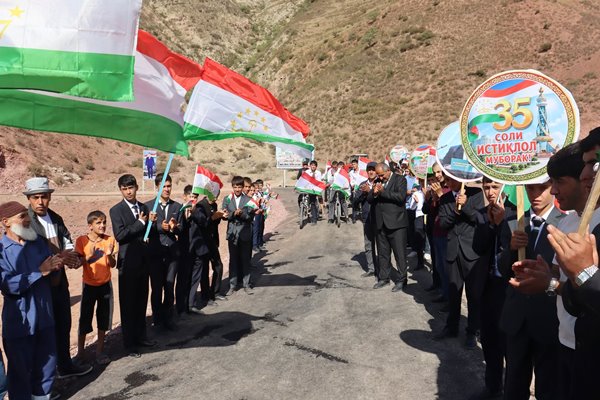

























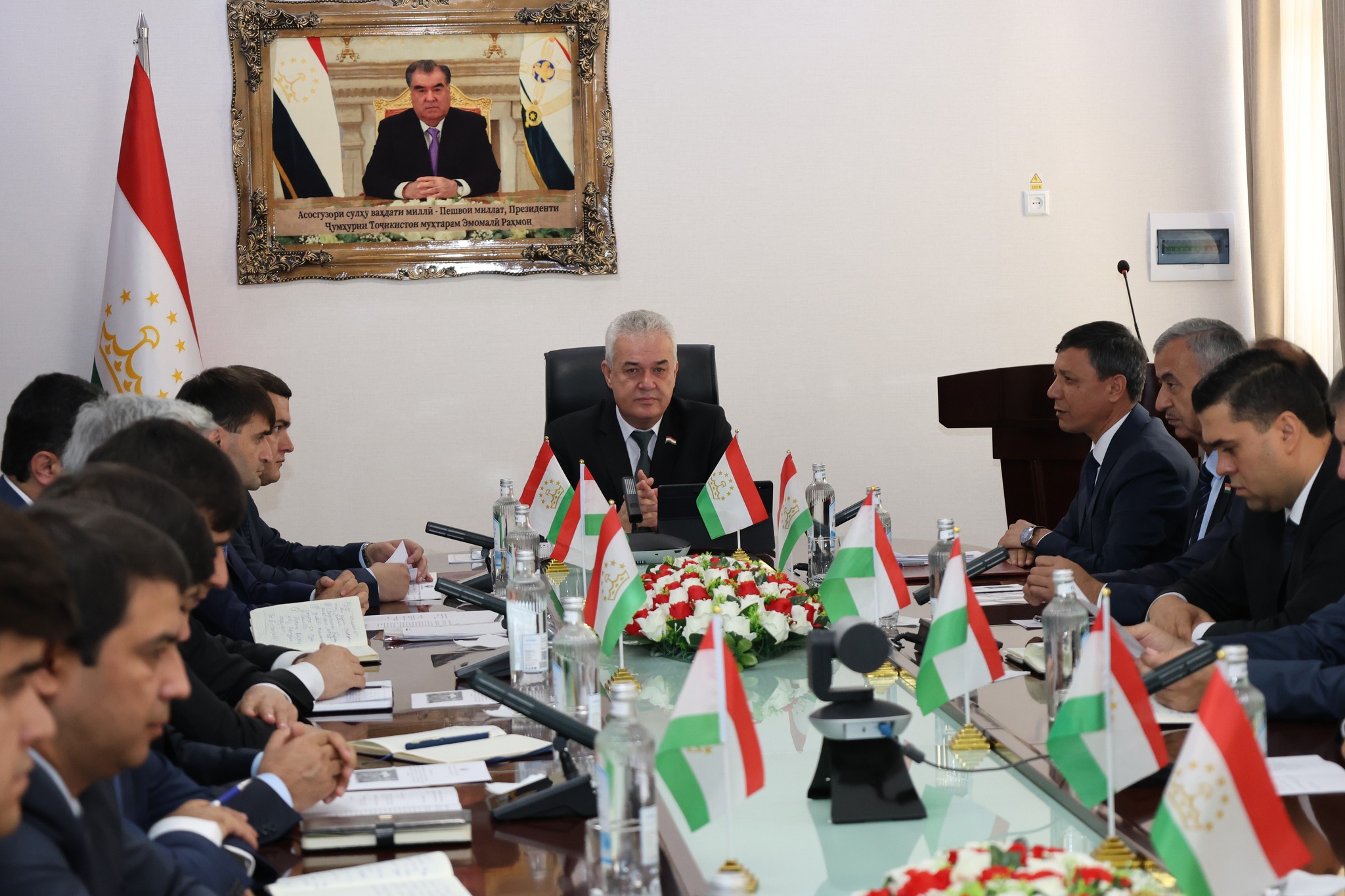
The Ministry of Education and Science of Tajikistan held a national scientific and theoretical conference entitled "Independence – the Foundation for the Development of Science and Education," dedicated to the 34th anniversary of the republic's state independence. The ministry's press service reported this.
The conference was attended by the Minister of Education and Science, Rahim Saidzoda, his first deputy, heads of departments and divisions of the ministry's central office, representatives of higher education institutions, and employees of scientific institutions.
Addressing the participants, the Minister of Education and Science congratulated everyone present on the national holiday and noted that independence has not only become a symbol of the sovereignty of the Tajik nation but has also opened up new historical opportunities for its development. He stated that education has become a key element of state policy and a vital tool for societal development.

Over the years of independence, the country has strengthened all levels of education, from preschool to higher education. In 2024 and the first half of 2025 alone, 304 new general education institutions and additional buildings were commissioned for over 61,000 students. The number of preschool institutions has reached 757, and the number of child development centers has reached 2,931, educating and educating over 251,000 children.
Significant results have also been achieved in textbook supply: since independence, 812 textbook titles have been published, with a total circulation of nearly 48 million copies. While at the beginning of independence, the country had only one new-type school, by 2025, the number had reached 170, educating over 121,000 students.

At the conference, scientists presented research papers on the role of independence in the development of science and education, as well as the significance of Tajikistan President Emomali Rahmon's messages in shaping the national education system.
The conference concluded that, over the 34 years of independence, education in Tajikistan has evolved into a sustainable system that contributes to the formation of a new generation, strengthening national unity, and the country's development.
A number of ministry employees were awarded the "Excellent Worker in Education and Science of Tajikistan" badge and departmental gratitude for their contributions to the development of the sector.