Translated with AI

































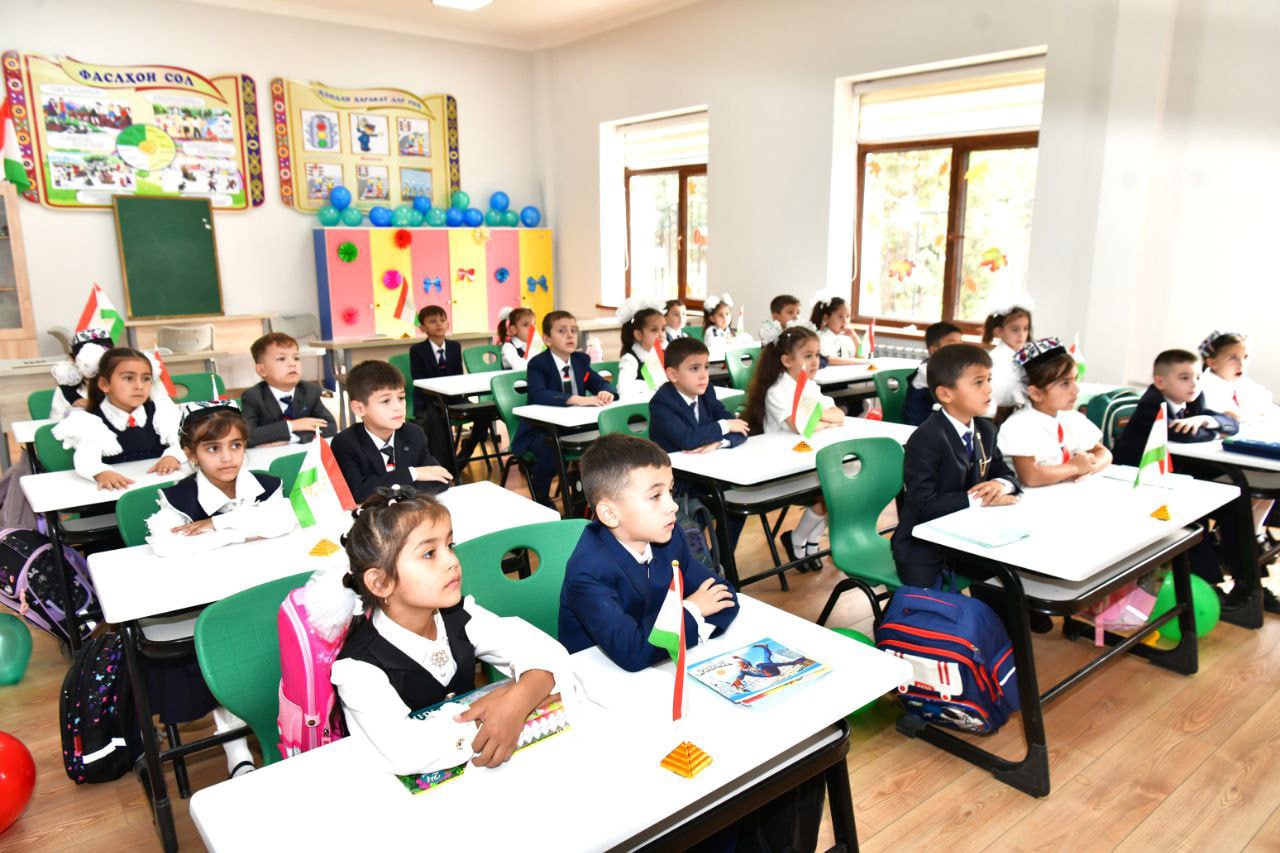
In the new 2025–2026 academic year, educational institutions in Tajikistan will transition to a 10-point system for assessing student knowledge and skills. Experts note that the new system ensures a more accurate, transparent, and fair assessment of learning outcomes.
Davlatnazar Imomnazarov, Head of the Department for Standards, Curriculums, Programs, and Textbooks at the Abdurahmon Jami Institute for Educational Development at the Academy of Education of Tajikistan, emphasized that the transition to a 10-point system is becoming a key reform in education. "It allows each student to be assessed based on their actual level of knowledge, skills, and understanding of the material. It also helps students understand their current level and what steps they need to take to improve their results," he noted in an interview with AMIT Khovar.
According to Imomnazarov, the previous 5-point system had been used for decades, but its standards were violated: the grade "1" was practically never used, "2" was given extremely rarely, and only three out of five points were actually taken into account. These and other factors led to the need to transition to a more modern grading system.
The new system allows for a focus on deep understanding of the material and practical application of knowledge. Teachers are able to assess not only the level of material comprehension but also students' ability to apply it in practice. The 10-point system is based on the principles of "formative assessment," which aligns with modern educational methods, promotes individual student development, fosters self-esteem, and reinforces personal responsibility.
According to the Ministry of Education and Science of Tajikistan, a pilot transition to a 10-point grading system was implemented in 2024 in more than 140 schools across the country. The new system has now been fully implemented in secondary schools. However, universities and institutes in Tajikistan continue to use the 100-point grading system.
Experts note that the transition to a 10-point system is not only a digital change but also a qualitative step in the development of education, meeting modern requirements and best international practices.