Translated with AI













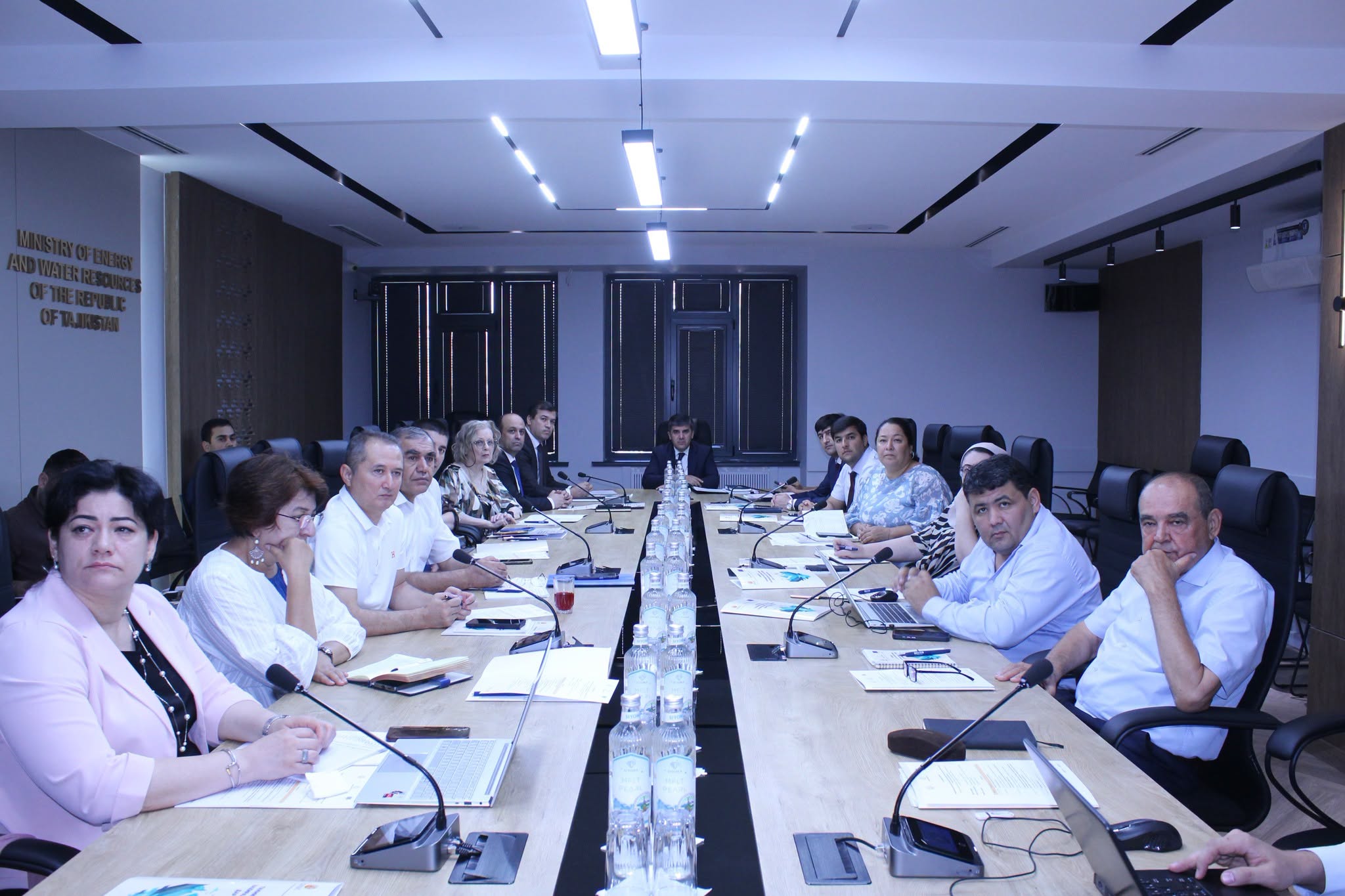













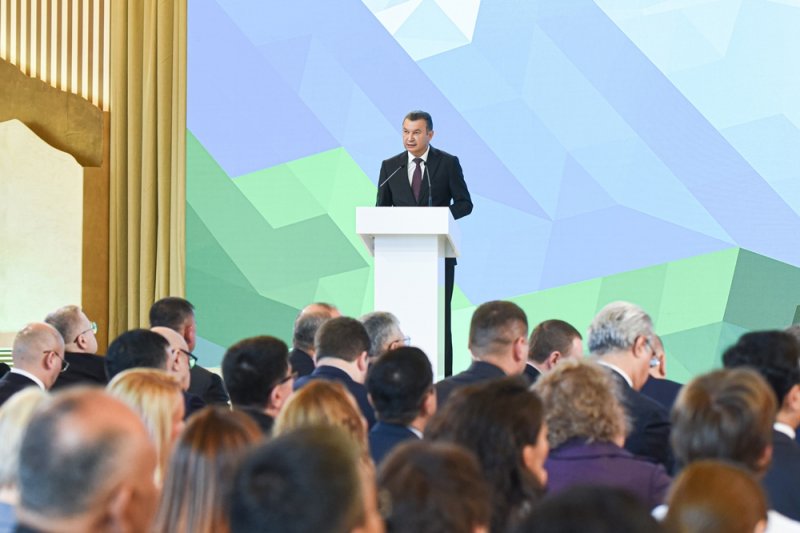
On July 25, the Prime Minister of Tajikistan, Kokhir Rasulzoda, spoke at the International Environmental Conference held in the Altai Territory of the Russian Federation. In his address, the head of government emphasized the desire of the Republic of Tajikistan to solve urgent environmental problems and actively promote the water and climate agenda in the international arena.
According to Rasulzoda, in recent years Tajikistan has initiated the adoption of 14 UN General Assembly resolutions aimed at the sustainable use of water resources. These decisions contribute to the achievement of global goals outlined in the 2030 Agenda for Sustainable Development.
The Prime Minister paid special attention to the development of "green" energy in his speech. He noted that 98% of electricity in the country is generated from hydropower resources, which allows Tajikistan to occupy sixth place in the world in terms of the share of electricity production from renewable sources. At the same time, the republic ranks 130th in terms of greenhouse gas emissions, which confirms its environmental sustainability. According to the head of the Cabinet, a complete transition to renewable energy is planned by 2032.

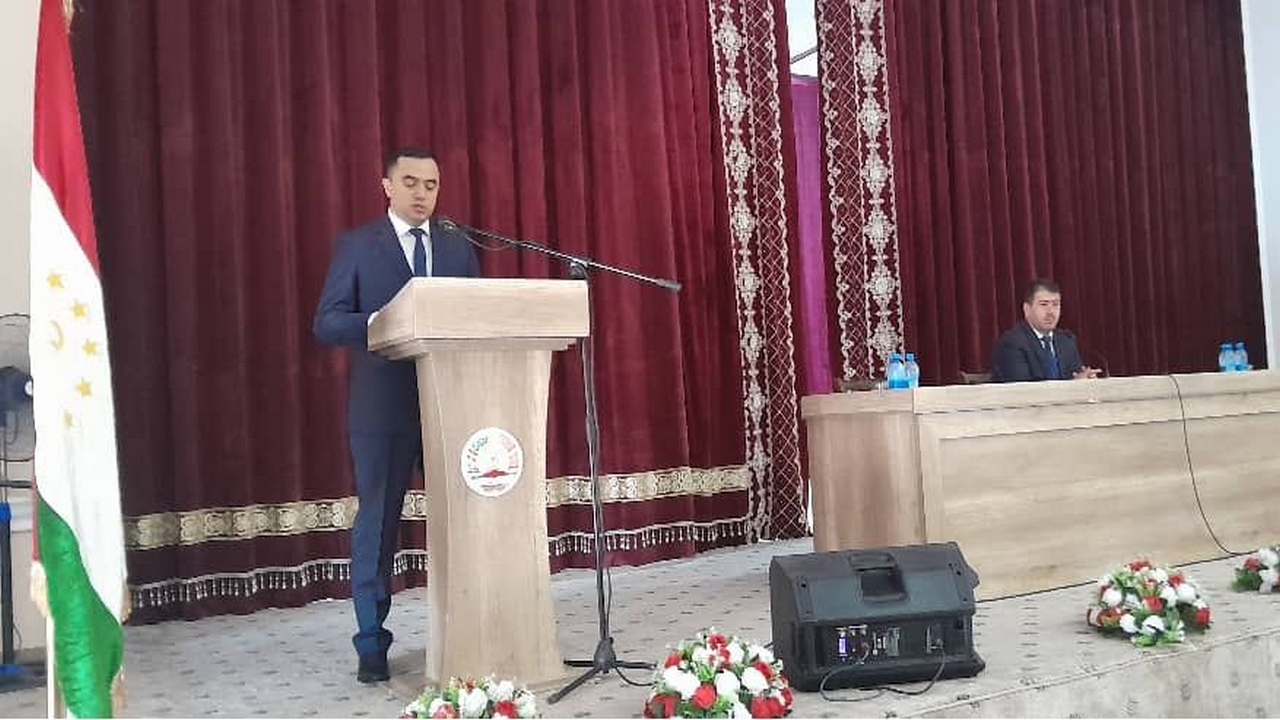
The speech gave special attention to the topic of glacier conservation. The Prime Minister recalled that, at the initiative of Tajikistan, 2025 was declared by the UN as the International Year of Glacier Conservation, and March 21 was approved as World Glacier Day. An International Trust Fund for Glacier Protection was also created, and the Republic of Tajikistan was one of the first contributors to it.
The head of government also highlighted the country's rich biodiversity, which includes more than 6,500 plant species. He expressed concern about the impact of climate change on the region's ecosystems, especially on rare species of wild flora and fauna.
Touching upon specific steps to protect nature, Kokhir Rasulzoda noted the initiative to establish International Markhor Day, which will now be celebrated annually on May 24. In addition, the State Program for the Protection of Snow Leopards for 2024–2028 is being implemented, within the framework of which a specialized Center for the restoration of the population of this species has been created in the Murghab district.

The head of government stressed the importance of environmental education, the creation of specially protected natural areas and the development of sustainable mechanisms for the use of natural resources. As examples, he cited the National Park of Tajikistan and the Tigrovaya Balka Reserve, which are included in the UNESCO World Heritage List.
In conclusion, the Prime Minister expressed confidence that expanding international cooperation would be an important factor in protecting the environment and strengthening global environmental security.
The International Environmental Conference is taking place from July 24 to 26 at the Manzherok resort in the Altai Territory. Delegations from the governments of Russia, Tajikistan, Kazakhstan, Uzbekistan, Armenia, Kyrgyzstan and Belarus are participating in the event.