Translated with AI


































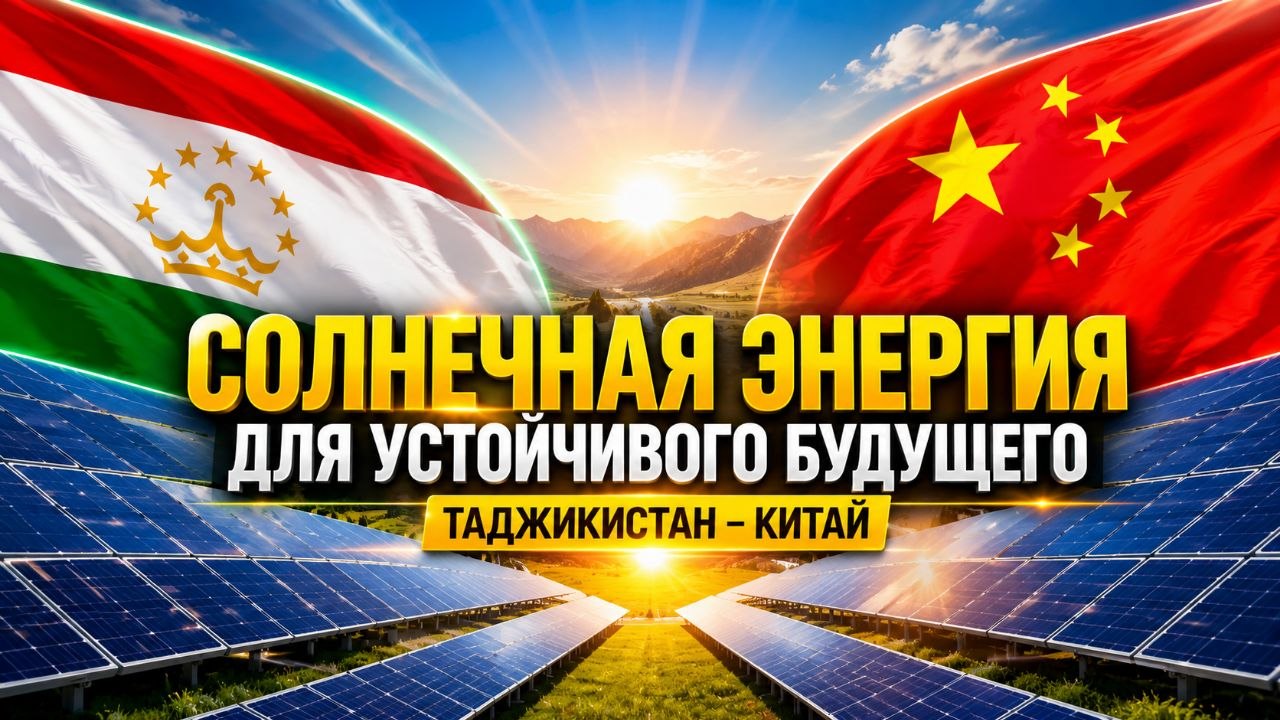
Tajikistan has traditionally been considered a country with enormous hydroelectric potential. Mountain rivers and significant water resources have defined the main directions of development of the country's energy sector for decades. However, today the country is gradually expanding its generation structure and making confident strides in developing another promising area: solar energy.
In recent years, Tajikistan has announced a number of major photovoltaic projects, many of which are being implemented or planned with the participation of Chinese companies. These projects include the construction of solar power plants with hundreds of megawatts of capacity, large-scale solar panel installation programs, attracting billions of dollars in investment, and creating new jobs.
The development of solar energy could become an important element in diversifying the country's energy balance and play a significant role in strengthening the sustainability of the national energy system.
The great potential of solar energy
Tajikistan's natural and climatic conditions create favorable conditions for harnessing solar energy. A significant number of sunny days per year, especially in the southern and high-mountain regions of the country, makes photovoltaic generation a promising area for energy development.
The need to develop alternative energy sources is becoming especially pressing given the rising electricity consumption. Industrial development, the construction of new facilities, urban expansion, and the growing number of household consumers are placing increasing strain on the country's energy system every year.
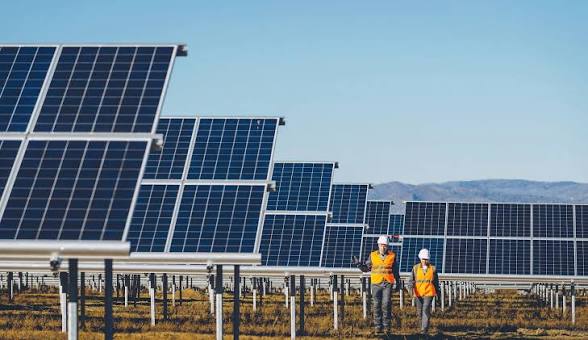
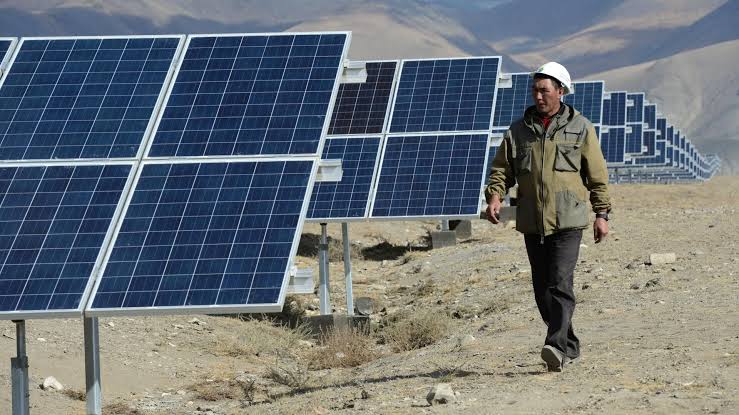
Tajikistan's electricity production relies heavily on hydropower. Solar power generation can supplement existing capacity and help diversify electricity generation sources.
A particularly important factor is the ability to use solar energy during daylight hours, when businesses, commercial facilities and other consumers actively use electricity.
Under these conditions, the construction of large photovoltaic stations and the installation of solar panels directly at consumption sites can become an additional tool for reducing the load on the overall energy system.
Solar power plant in the Pyanj SEZ
One of the largest announced solar energy projects will be the construction of a power plant in the Panj Free Economic Zone in southern Tajikistan.
The corresponding memorandum was signed between the Ministry of Economic Development and Trade of the Republic of Tajikistan and the Chinese company Eging PV Technology.
The first phase involves the construction of a 200-megawatt solar power plant. The cost of this phase is estimated at $150 million.
However, the project is significantly larger than a single power plant. It is planned to be implemented in four stages, with the total investment expected to reach approximately $1.5 billion.
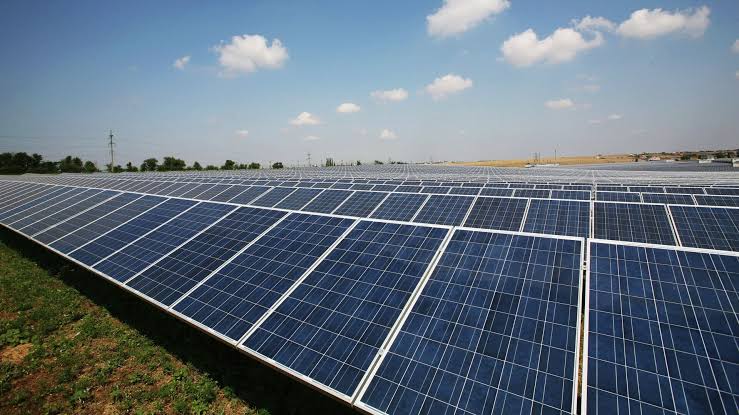
The placement of a large energy facility on the territory of the Panj Free Economic Zone, located in the south of the country near the Tajik-Afghan border, has not only energy but also economic significance.
The project's implementation could contribute to the development of the region's infrastructure, attract new investors, and create additional opportunities for industrial enterprises.
The solar power plant also has the potential to become one of the largest photovoltaic generation facilities not only in Tajikistan, but also in Central Asia.
This project is of particular importance for the republic. It essentially represents a transition from relatively small solar installations to industrial-scale solar-powered electricity generation.
Two thousand megawatts of solar power for businesses
Another large-scale area of cooperation is an investment program to equip businesses and other consumers with solar panels.
The total capacity of the solar installations envisaged by the project should be 2 thousand megawatts.
According to the signed agreement, the program's implementation will enable the annual production of up to 3.5 billion kilowatt-hours of electricity.
Such generation volumes could have a significant impact on the country's energy sector.
The project's unique feature is that solar panels are planned to be used directly to supply electricity to businesses and other consumers. This approach allows for the generation of some of the required electricity directly at the point of consumption.
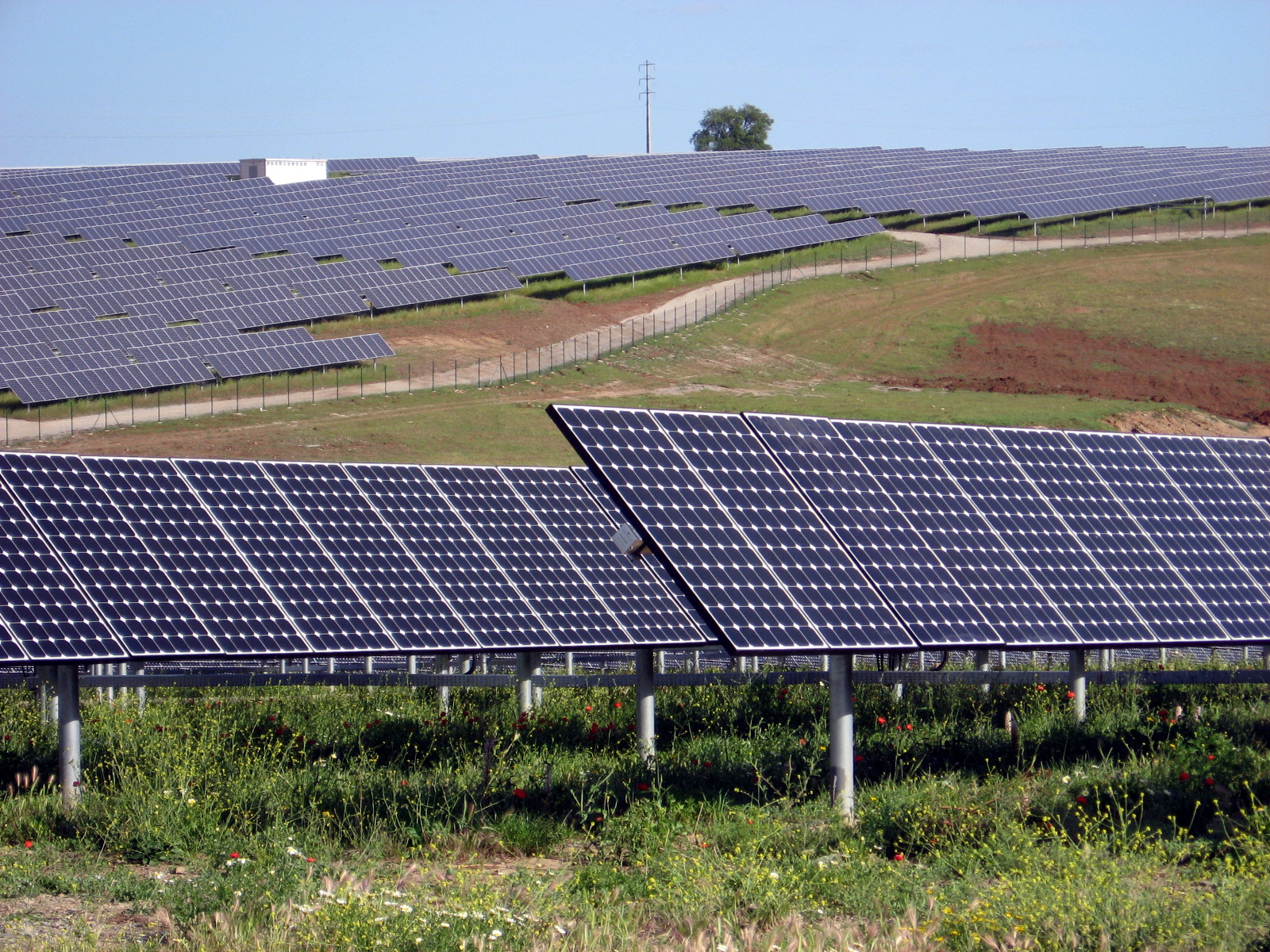
This could reduce the burden on centralised energy infrastructure and reduce the dependence of individual businesses on the overall electricity supply.
The volume of investments in the project implementation may reach 1 billion dollars.
In addition to its energy benefits, the program has significant socioeconomic impact. The project is expected to create over 500 jobs.
Particular attention is being paid to training national personnel. It is envisaged that at least 80% of the project's workers will be Tajik citizens.
Thus, the program's implementation involves not only the installation of modern energy equipment, but also the formation of a group of specialists in the country with practical knowledge in the field of solar energy.
This is especially important for Tajikistan, as the development of the new industry requires engineers, technicians, installers, and staff capable of operating and maintaining photovoltaic systems.
The first large solar power stations are in Asht and Jaykhun
Another important step was the launch of the first large-scale solar power generation project in the history of Tajikistan, with a total capacity of 500 megawatts.
The project involves the construction of two photovoltaic power plants, each with a capacity of 250 megawatts.
One solar power plant is to be built in the Asht district of the Sughd region in the north of the country. The second facility is planned for the Jaykhun district of the Khatlon region in the south of the country.
The selection of different regions for the construction of power plants allows for the development of solar generation simultaneously in the northern and southern parts of Tajikistan.
Once the facilities are commissioned, an increase in electricity production and improved stability of the national energy system are expected.
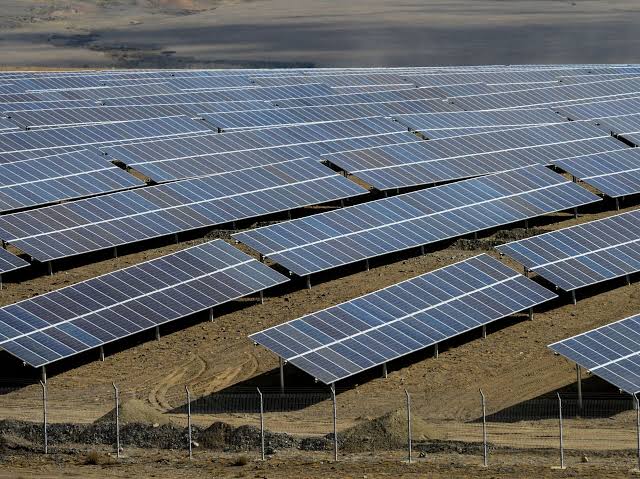
One of the key tasks is to reduce seasonal electricity shortages.
For Tajikistan, this issue remains particularly pressing during the autumn-winter period, when the volume of electricity produced at hydroelectric power plants depends on river water levels and other seasonal factors.
Solar energy cannot completely replace hydropower, which remains the backbone of the republic's energy sector. However, new photovoltaic capacity can supplement the existing generation system.
The development of a combined energy model, in which large solar facilities operate alongside hydroelectric power plants, can increase the flexibility and resilience of the entire industry.
Why Chinese companies are investing in Tajikistan's solar energy sector
The participation of Chinese companies in the development of solar energy in Tajikistan is linked to several factors.
China today has significant experience in the production of solar panels, the construction of large-scale photovoltaic power plants, and the implementation of modern energy storage systems.
For Tajikistan, cooperation with Chinese investors opens up opportunities to attract capital and modern technologies to the country's new industrial solar power generation sector.
It's not just about supplying solar modules.
Large energy projects require complex engineering solutions, including plant design, energy infrastructure construction, grid connection, control system implementation, and maintenance organization.
Energy storage technologies are of particular importance.
One of the characteristics of solar power generation is that electricity production depends on the time of day and weather conditions. Modern energy storage systems allow for the storage of a portion of the generated energy and its use during periods of reduced generation.
The combination of solar power plants and storage systems is considered today as one of the most promising areas for the development of modern energy.
Solar energy is already operating in the Pamirs.
While large projects with a capacity of hundreds of megawatts are still underway, the first results of solar energy can already be seen in the high mountain regions of Tajikistan.
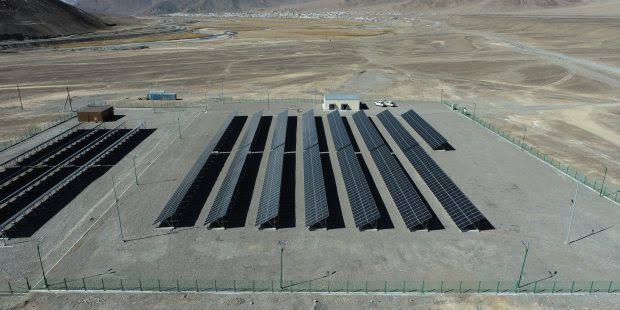
A new solar power plant with a capacity of 1.3 megawatts has been commissioned in the village of Kizilrabat in the Murghab district.
The facility is equipped with a modern energy storage system.
In addition, solar power plants have been installed in 15 more settlements in the Murghab district.
For the high-mountain Pamirs, the use of solar energy is of particular importance.
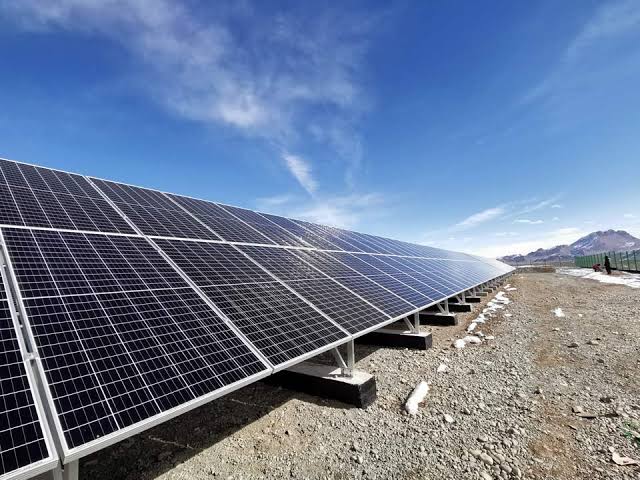
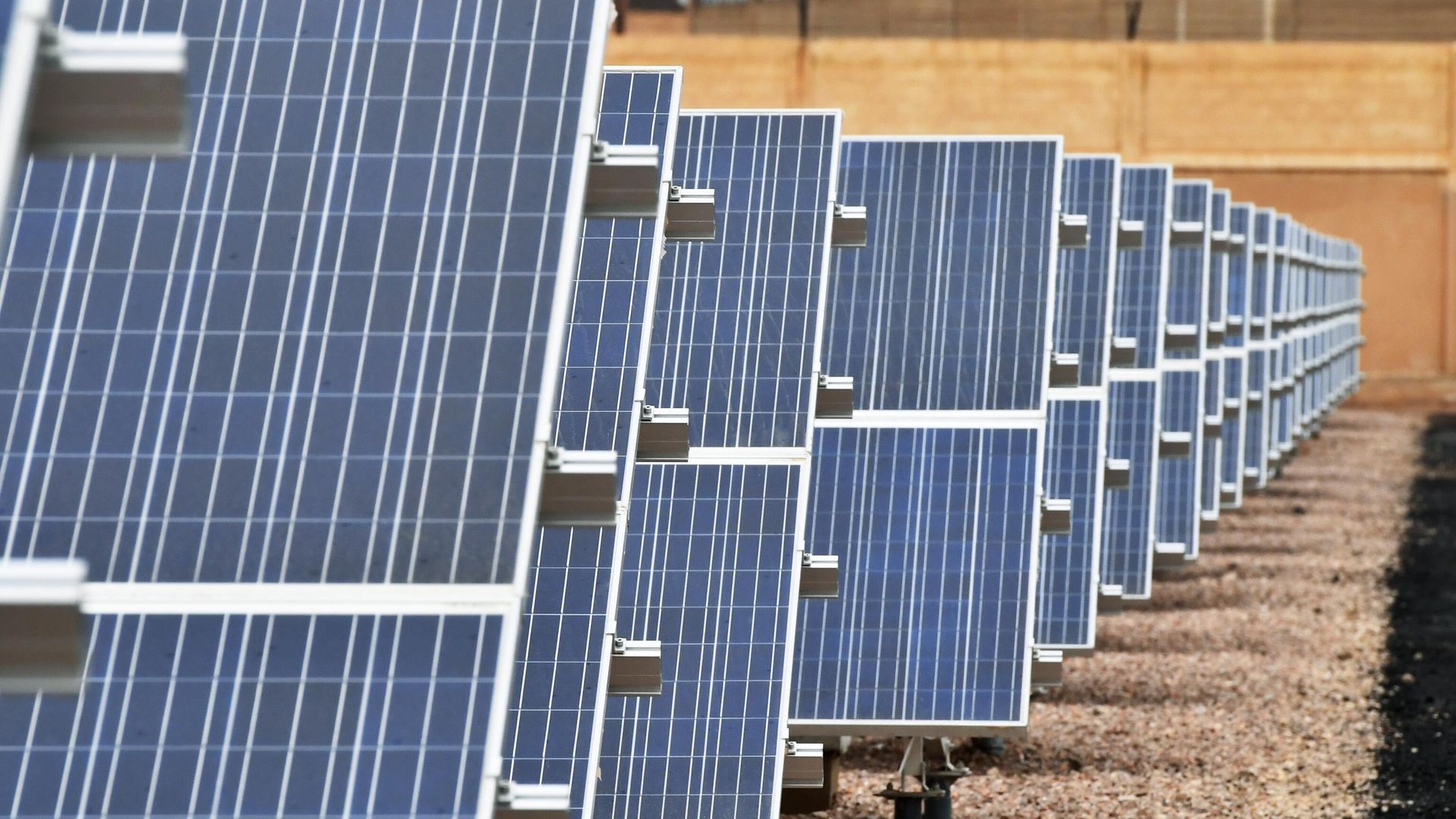
Large distances between settlements, difficult mountainous terrain, and harsh climatic conditions significantly complicate the construction and maintenance of traditional energy infrastructure.
In such conditions, local solar power plants can be an effective solution for providing electricity to small and remote communities.
The use of energy storage systems can improve the reliability of power supply and provide residents with electricity during periods when solar generation is reduced.
For the local population, such projects have practical significance.