Translated with AI
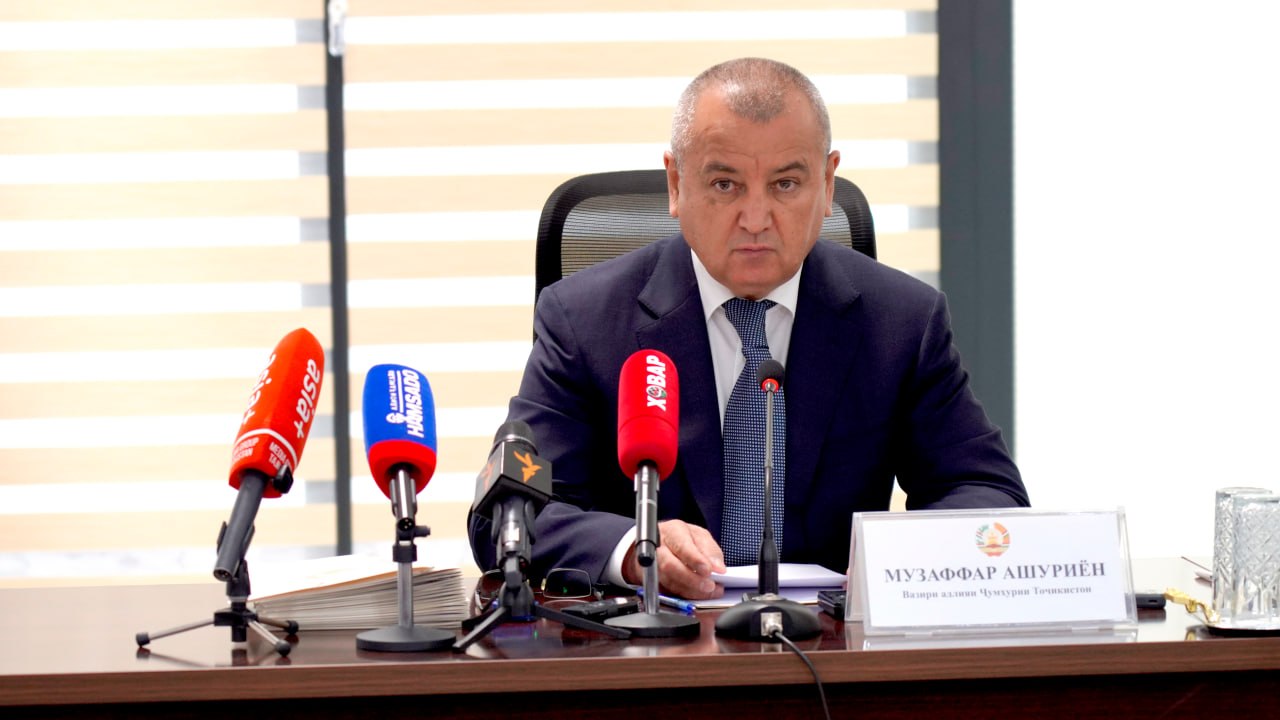
















An official website for a special section of the State Register of Historical and Cultural Monuments has been developed in Tajikistan. The launch of the new digital resource was announced during a conference on the digitalization of the country's historical and cultural heritage, NIAT Khovar reports, citing the Agency for the Protection of Historical and Cultural Heritage under the Government of the Republic of Tajikistan.
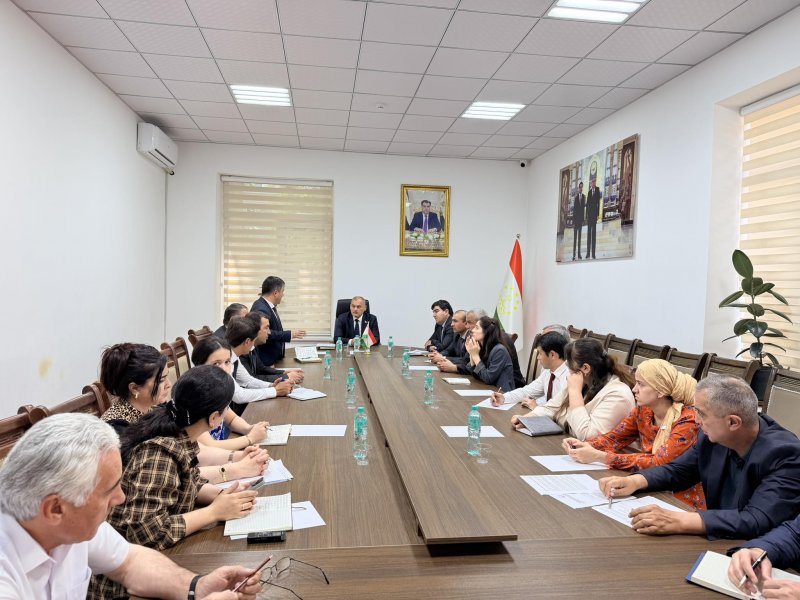
The event was held at the Agency for the Protection of Historical and Cultural Heritage under the Government of the Republic of Tajikistan as part of the implementation of the Presidential Decree declaring 2025–2030 the Years of Digital Economy and Innovation Development.
According to conference participants, the new online resource includes seven main areas. These include tangible and intangible cultural heritage, archaeological finds, regulatory documents, historical and cultural events, categories of monuments, and an electronic library.
Sherali Khodjazoda, Director of the Agency for the Protection of Historical and Cultural Heritage, noted that digitalization is aimed at preserving the country's historical and cultural heritage and expanding access to it for researchers, students, and tourists.
According to him, modern technologies, including artificial intelligence, make it possible to more effectively manage monuments, monitor them, and carry out restoration work.
During the first phase of the project, monuments of national significance included on the UNESCO tentative list were digitized. These included ancient Sarazm, the Khulbuk fortress, the Mir Said Ali Hamadoni mausoleum, and the monuments of ancient Khuttal.
In the future, there are plans to create a unified national information database of historical and cultural heritage. It is expected to be accessible to the public through a dedicated online portal.
Sherali Khodjazoda emphasized that the preservation of historical and cultural monuments is a manifestation of respect for the history of the people and future generations, as they serve as the embodiment of the civilization and culture of the Tajik people.