Translated with AI


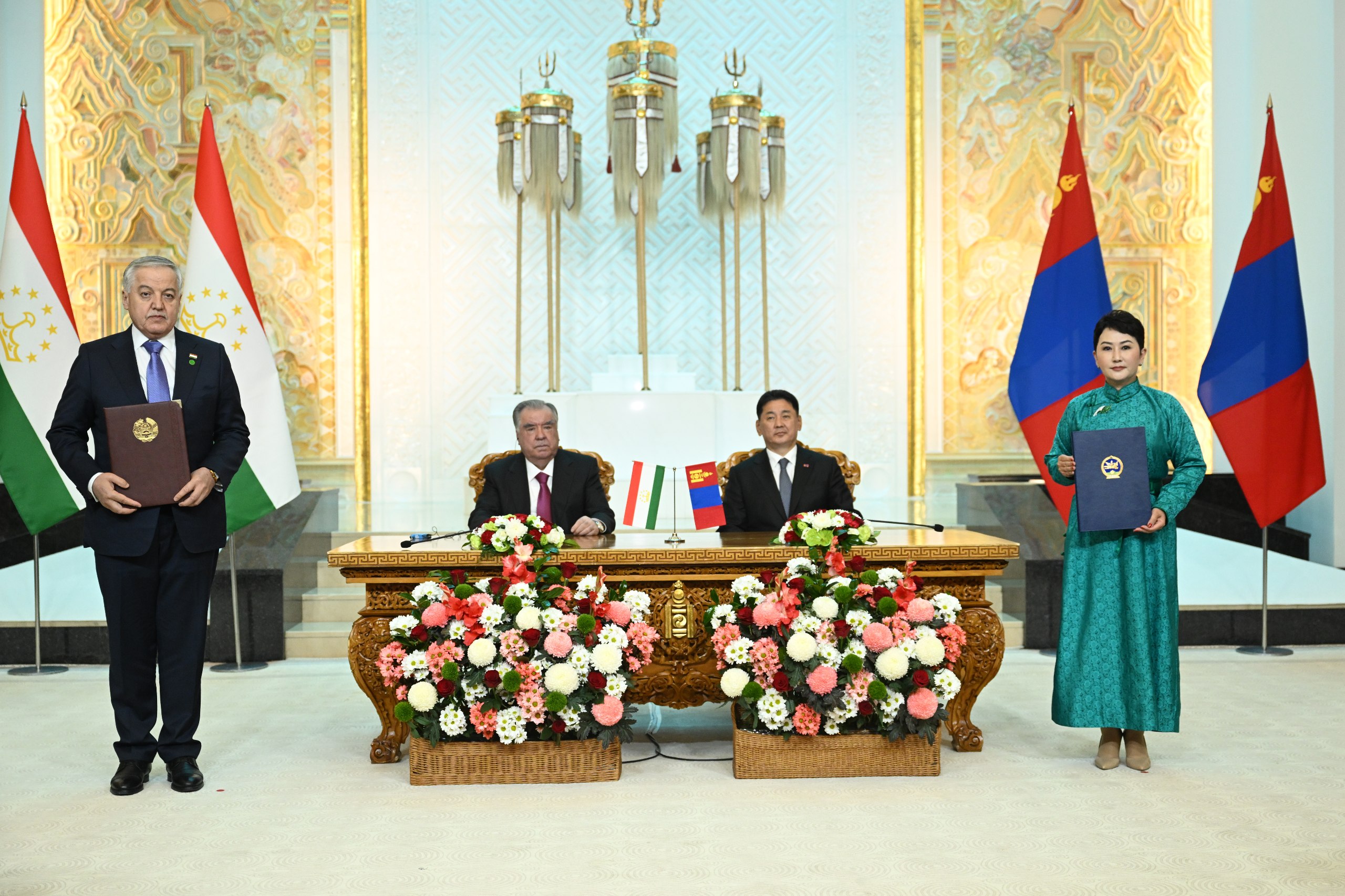

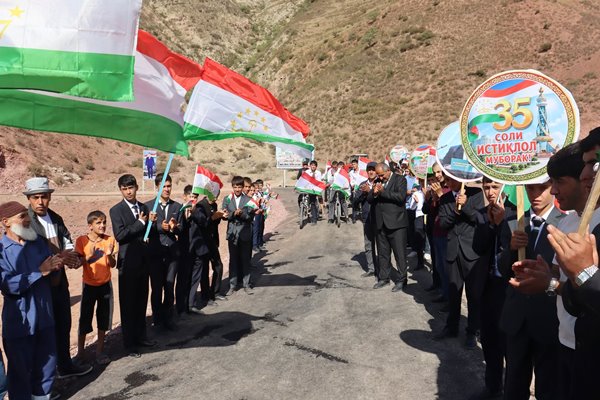



















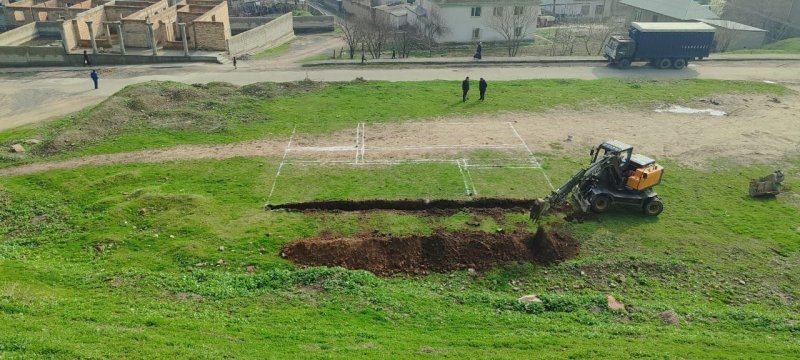
In honor of the 35th anniversary of Tajikistan's state independence, four archaeological sites will be opened within the country's historical monuments. This was announced by the Agency for the Protection of Historical and Cultural Heritage under the Government of the Republic of Tajikistan.
According to the information provided, archaeological sites will be commissioned on the territory of the historical monuments of Gissar, Istaravshan, as well as the Dangara and Kubodiyon districts.
The source noted that two of the facilities were built using state budget funds, and the other two were supported by patriotic entrepreneurs. Their activities are expected to contribute to the study of ancient history, the preservation of material heritage, the development of civilization, and the strengthening of national identity.
The creation of these facilities is aimed at strengthening national identity through a thorough study of the origins of the Tajik people, the preservation of historical and cultural monuments, and the application and mandatory compliance with industry legislation.
During the period of independence, at the initiative and under the leadership of the President of the Republic of Tajikistan, Leader of the Nation Emomali Rahmon, comprehensive attention has been paid to issues of research, protection and revival of historical and cultural heritage, which has become one of the priority areas of state policy.
In the Address of the President of the Republic of Tajikistan to the Majlisi Oli of the Republic of Tajikistan “On the priority directions of the domestic and foreign policy of the republic,” it was instructed to develop a draft law “On archeology” and submit it to the Government of the country.
The head of state expressed confidence that the implementation of this initiative will confirm the rich, more than six thousand-year-old history and culture of the Tajik people.
For the ancient Tajik people, their historical and cultural heritage is considered a national "calling card" and a factor in their global recognition. Preserving this heritage is considered the foundation for the sustainability of their language, state, and national identity.