Translated with AI































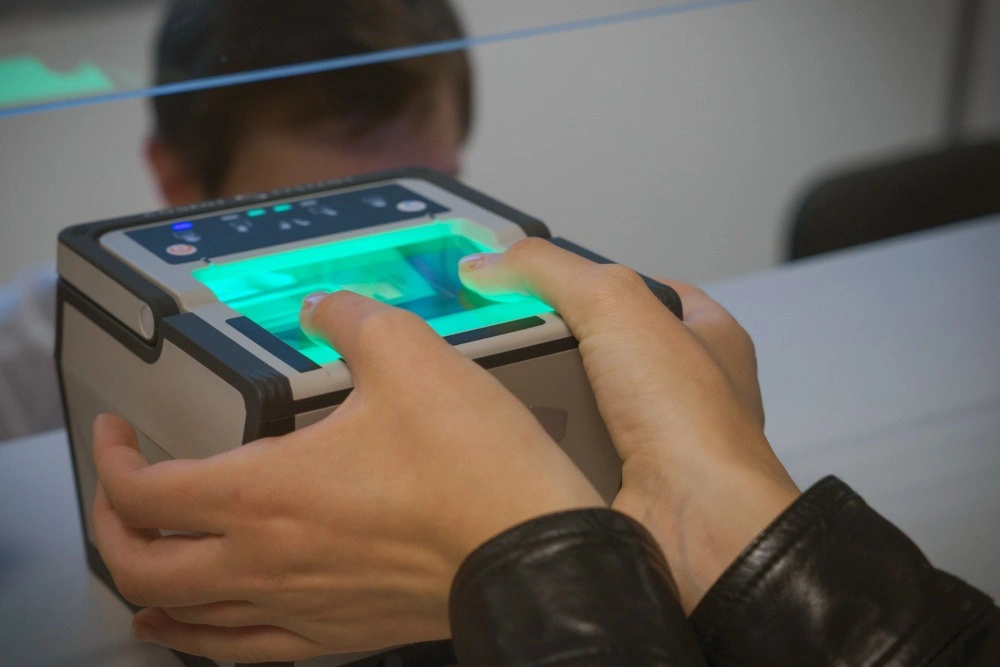
Biometric equipment will be introduced at all checkpoints on the Russian Federation's state border. This was announced by Deputy Chairman of the Russian Security Council Dmitry Medvedev at a relevant meeting.
He noted that the presence of every migrant in the country must be completely transparent. He stated that individuals whose activities are not verified by government agencies are subject to unconditional deportation. Dmitry Medvedev published a corresponding statement on the social network VKontakte following the meeting.
The Deputy Chairman of the Russian Security Council also visited Sheremetyevo International Airport, where he learned about the operation of the immigration control system. He emphasized the ease of use of the technology being implemented, noting that the screening process takes only a few dozen seconds.
It was also noted that the implementation of the biometric method will enable the creation of a comprehensive database that will be used for both migration and law enforcement purposes. According to Dmitry Medvedev, the system will enable the prompt identification of offenders and the prevention of their entry into Russia.
He added that the technology will make it possible to quickly identify individuals who have committed crimes both in the Russian Federation and in their countries of origin, and in some cases, prevent them from entering the country.
As a reminder, starting December 1, 2024, foreign citizens planning to enter Russia for more than 90 days are required to submit individual biometric data. These new rules were introduced as part of an experiment to strengthen migration controls.
The trials are being conducted in several stages. During the first stage, special zones for biometric data collection were created at Moscow airports and at one border checkpoint in the Orenburg region, where foreign citizens are photographed and fingerprinted.
The second phase of the experiment will allow stateless persons to upload photographs and biometric data to a special app. This phase will last until June 30, 2026.
The aim of the experiment is to strengthen migration discipline, prevent illegal actions and reduce the number of crimes among foreign citizens and stateless persons.