Translated with AI















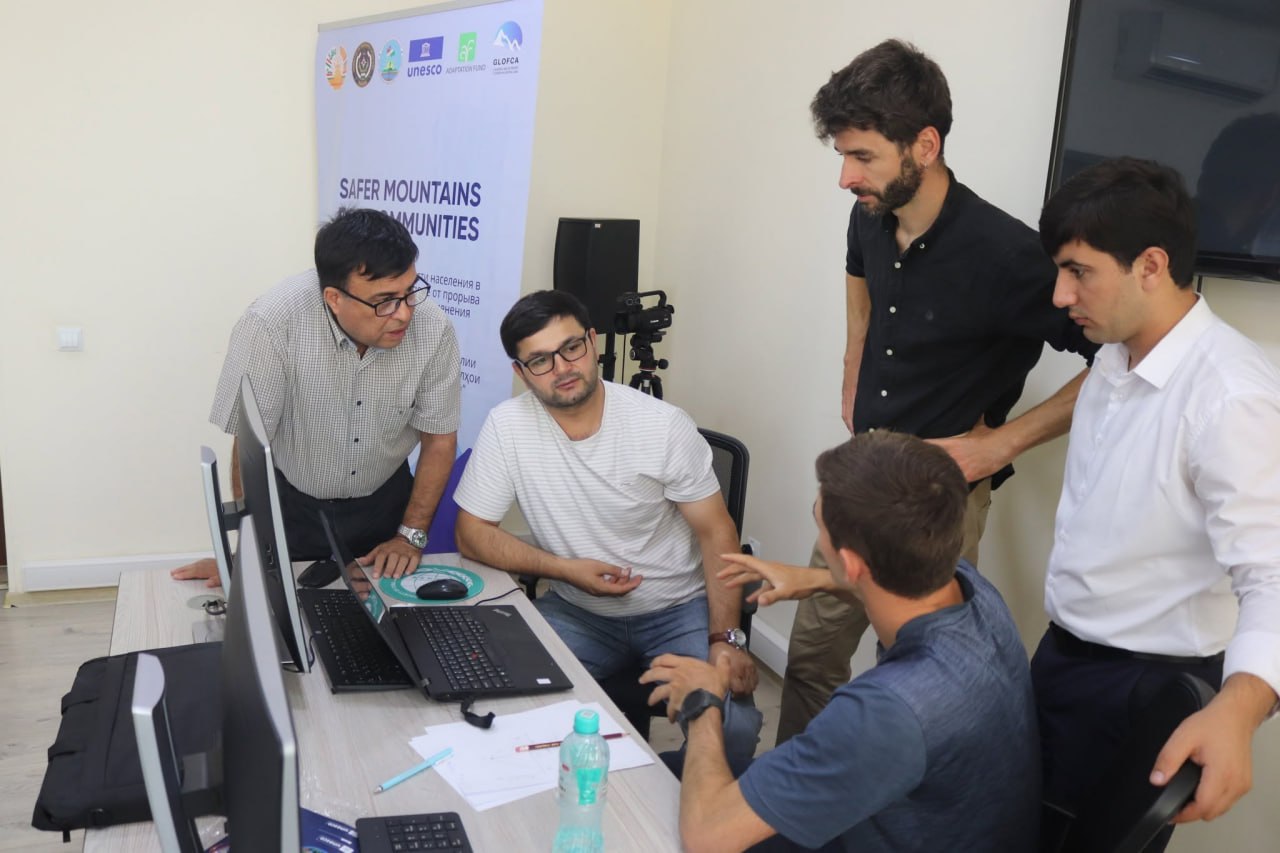

















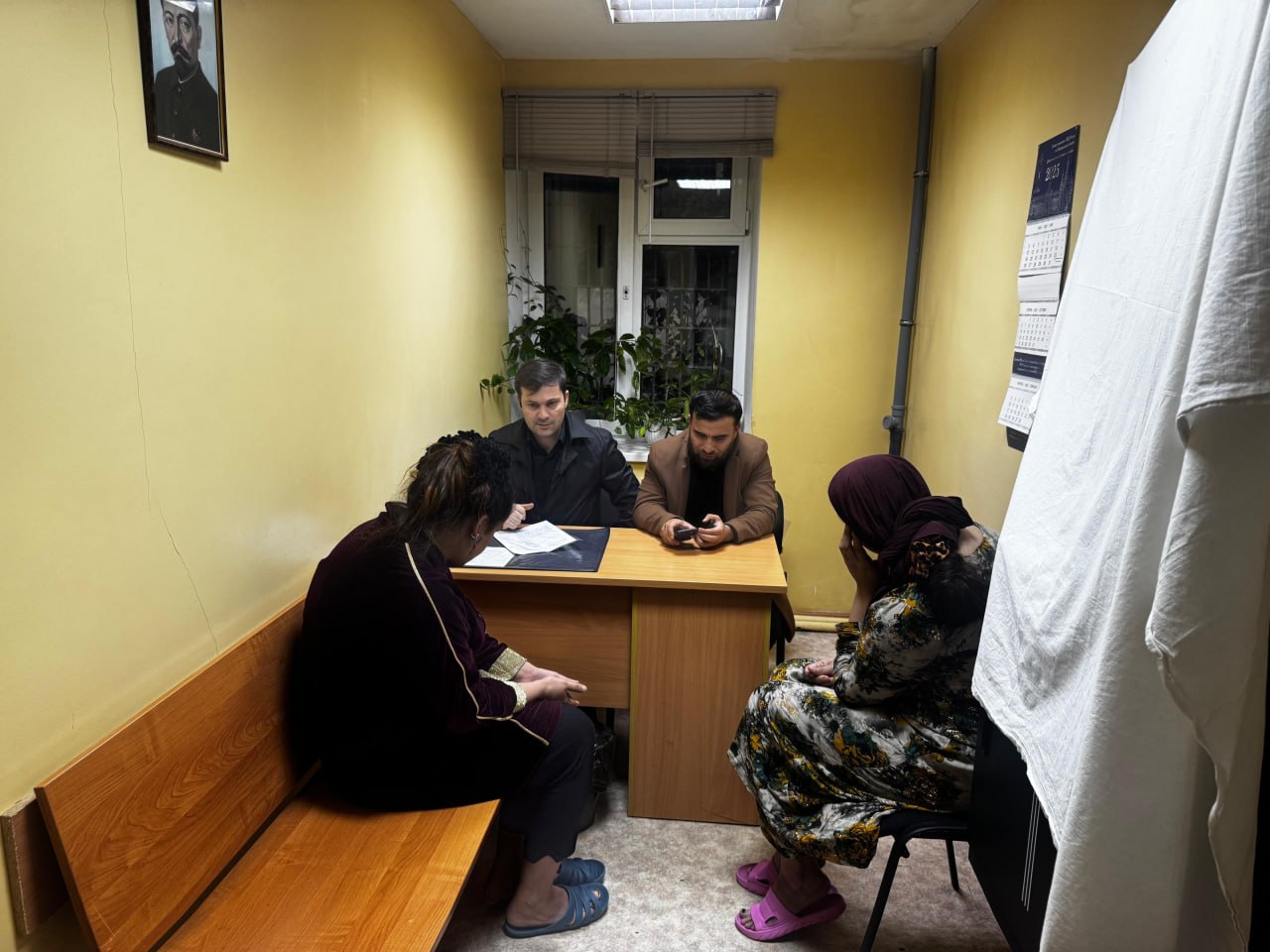
Employees of the Representative Office of the Ministry of Labor and Social Protection of the Republic of Tajikistan in the Russian Federation conducted a working visit to study the social and labor situation of Tajik citizens working in the Nizhny Novgorod region, as well as to meet with diaspora leaders, employers, and local authorities interacting with labor migrants.
As part of the trip, a series of meetings were organized with the leaders of Tajik diasporas and public associations in the cities of Nizhny Novgorod, Dzerzhinsk, and Bor.
In particular, a productive meeting was held with the head of the Tajik Society of the Nizhny Novgorod Region, Zafar Odenaevich Muminov, who coordinates the activities of Tajik communities in several cities in the region.
During the meetings, important social and legal issues related to the activities of citizens of the Republic of Tajikistan in the Russian Federation were discussed. Particular attention was paid to the following aspects:
-
strict compliance with the migration legislation of the Russian Federation, including issues of registration and obtaining permits;
-
conducting explanatory work to prevent citizens from becoming involved in extremist and terrorist groups;
-
increasing the legal literacy of citizens in order to inform them of their rights and responsibilities;
-
ensuring industrial and hygienic safety, compliance with labor protection and safety regulations in the workplace;
-
issues of prevention of infectious diseases, including HIV/AIDS and tuberculosis.
Representatives of the Representative Office emphasized that diaspora leaders play an important role in maintaining public order and facilitating the integration of Tajik citizens. In this regard, they were recommended to regularly hold awareness-raising meetings and preventive events for Tajik citizens.
During the visit, a mobile reception center was set up in the office of the head of the Tajik society. The purpose of the mobile reception center was to receive inquiries, complaints, and questions from citizens of the Republic of Tajikistan on labor, legal, and social issues.
During the reception center's operations, a large number of citizens sought consultations. All applicants were provided with detailed explanations and necessary recommendations. Some requests were forwarded to the Representative Office's central office for further review.