Translated with AI





























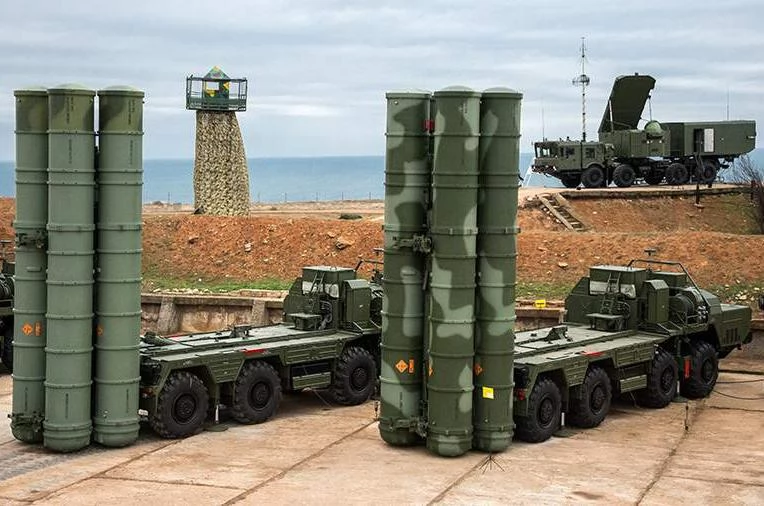
A meeting of the Coordinating Committee on Air Defense (AD) under the Council of Defense Ministers of the Commonwealth of Independent States (CIS) took place on October 2 in Izhevsk. This was reported by the CIS Executive Committee.
Representatives from Belarus, Kazakhstan, Kyrgyzstan, Russia, Tajikistan, Uzbekistan, Turkmenistan, the Secretariat of the Council of CIS Defense Ministers, defense industry enterprises, and the CIS member states' core organizations in the field of air defense research and military personnel training participated in the meeting.
Evgeny Klemez, Director of the Department for Security Cooperation, represented the CIS Executive Committee at the event.
Speaking at the meeting, he emphasized that for the Commonwealth countries, united by common historical and technological roots, the development of joint air defense is one of the most successful forms of practical cooperation.
"The CIS Joint Air Defense System is an example of a truly functioning multilateral military mechanism in the post-Soviet space, fulfilling several functions simultaneously: strengthening state security and supporting military-technical cooperation. Its significance extends beyond military interaction: it is about building trust, jointly responding to new challenges and threats, and preserving the common security architecture in Eurasia," he noted.
According to Evgeny Klemez, modern conflicts demonstrate that control over aerospace is becoming a key condition for ensuring national and collective security. The widespread use of precision weapons, hypersonic systems, unmanned aerial vehicles, and electronic warfare systems is significantly changing the nature of armed conflict.
The development of the CIS Joint Air Defense System is based on the "umbrella agreement" model, supplemented by bilateral agreements on the creation of regional air defense systems. These regional structures will eventually become elements of a unified, large-scale aerospace defense architecture encompassing all CIS airspace.
"Implementation of the key areas and stages of building the CIS aerospace defense should ensure increased effectiveness of the Commonwealth's air defense, the adoption of modern assets and systems, and the resolution of joint aerospace defense challenges," Klemez noted.
The key body of the Joint Air Defense System is the Air Defense Coordination Committee under the CIS Council of Defense Ministers. It develops unified decisions and oversees their implementation. According to a representative of the CIS Executive Committee, the committee's work is highly valued by the highest bodies of the Commonwealth and is a focus of their attention.
He also recalled that the Concept of Military Cooperation until 2030 is planned to be approved at a meeting of the CIS Council of Heads of State on October 10 in Dushanbe.
At the meeting in Izhevsk, participants discussed improving the mechanisms for interaction between the forces of the Unified Air Defense System, developing the communications system, and identified priority areas for the committee's work through 2030. Proposals for joint operational and combat training events were approved, the concept for an international scientific and practical conference on the experience of organizing and conducting air defense forces in modern conditions was approved, and financial matters were discussed.
The meeting concluded with a meeting of the heads of delegations of the armed forces of the CIS member states.