Translated with AI
































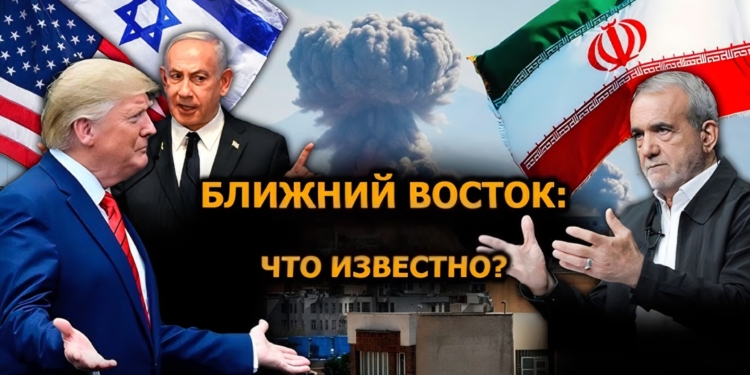
Day 31 of the Middle East war: Iran ratchets up pressure, US builds up forces, talks discussed
The war in the Middle East has entered its 31st day, with a simultaneous escalation of hostilities and increased diplomatic pressure.
Iranian Foreign Ministry Spokesman Esmail Baghaei stated that Russia and China's positions on the US and Israeli attacks will influence Tehran's future relations with these countries. He added that Iran closely monitors the approaches of various countries, and their actions will directly impact the country's foreign policy.
Bagai emphasized that indifference to the conflict will lead to consequences for everyone, thereby making it clear that Tehran will evaluate its international partners not only by their statements, but also by their concrete actions.
The Iranian statements came amid expectations of more active support from Russia and China. Although Moscow and Beijing have previously criticized the actions of the US and Israel, Tehran believes that rhetoric alone is insufficient and expects more tangible diplomatic and political engagement.
The military standoff continues. The US and Israel launched attacks on Iran on February 28. In response, Iran launched strikes against targets in several countries in the region, including Qatar, the United Arab Emirates, and Bahrain, where US bases are located.
The International Atomic Energy Agency reported that the heavy water plant in Khondaba sustained significant damage as a result of the strikes and is currently not operational. However, it clarified that no nuclear materials were present at the facility.
US President Donald Trump announced that American forces have identified and destroyed numerous targets in Iran. He said approximately 13,000 targets have already been hit, with approximately 3,000 remaining.
The United States continues to increase its military presence in the region. According to American media, special operations forces have been deployed to the conflict zone, potentially deployed to protect the Strait of Hormuz or conduct operations in Iran.
Additional forces, including marines and paratroopers, have also been deployed to the region. The US has also reinforced its air force by deploying additional F-16 and F-35 fighter jets. In total, the US air force in the region numbers approximately 250 aircraft.
Possible scenarios for the further development of the conflict include operations to control the Strait of Hormuz, which is key to global oil supplies, as well as actions around Kharg Island, an important hub of Iranian oil infrastructure.
Donald Trump also stated that he was considering the possibility of gaining control over Iranian oil resources and did not rule out the possibility of seizing Kharg Island. He said such actions could be implemented fairly quickly.
Amid the fighting, attempts at a diplomatic settlement continue. The US presented Iran with a 15-point proposal for a settlement. According to Trump, Tehran has agreed to most of the proposed terms.
For its part, the Iranian side claimed that the submitted plan contained inflated and unfounded demands. Baghaei emphasized that Iran did not participate in the Pakistan-brokered negotiations.
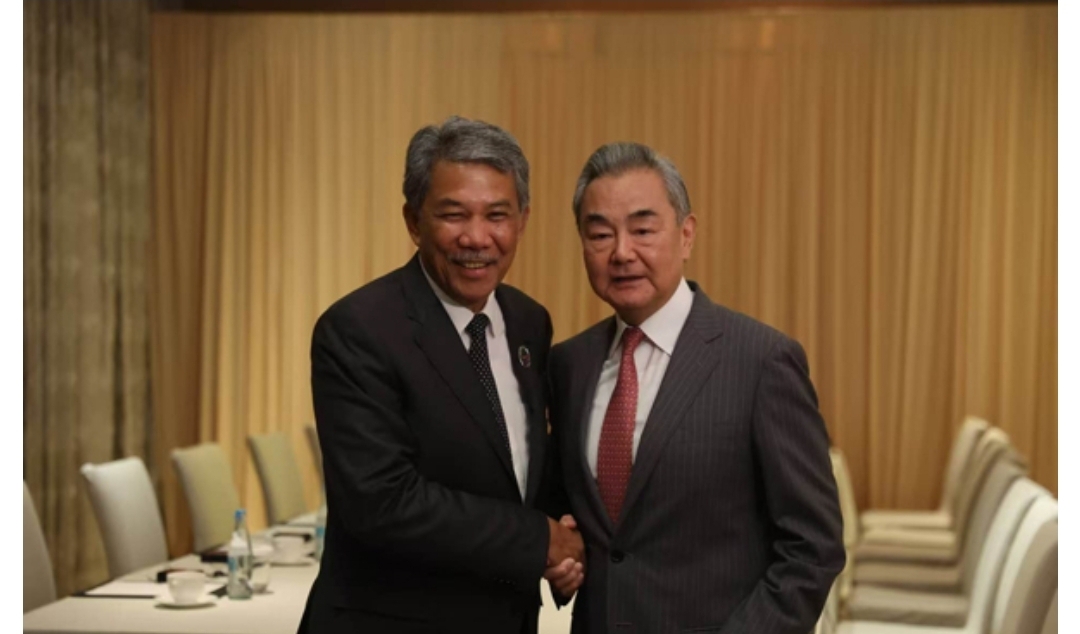
Pakistan, for its part, expressed its willingness to provide a platform for possible negotiations between the US and Iran. According to Pakistan's Foreign Minister Ishaq Dar, a number of countries support this initiative and advocate for a speedy resolution to the conflict.
As the standoff continues, reports of casualties are coming in. According to Iranian sources, the commander of the Islamic Revolutionary Guard Corps' naval forces, Alireza Tangsiri, died from his wounds.
Despite the tensions, there are some signs of a possible easing of the situation. Donald Trump announced that Iran has increased the number of oil tankers allowed to pass through the Strait of Hormuz, which may indicate partial efforts to stabilize the situation.
The international reaction to the conflict continues. During a mass at the Vatican, Pope Leo XIV stated that religion cannot be used to justify war and called for a ceasefire.
Thus, on the 31st day of the war, it is becoming clear that the confrontation is developing simultaneously on the military and diplomatic levels. Iran is increasing pressure on its international partners, the US is increasing its military presence, and simultaneously, attempts to find a negotiated settlement to the conflict continue.