Translated with AI

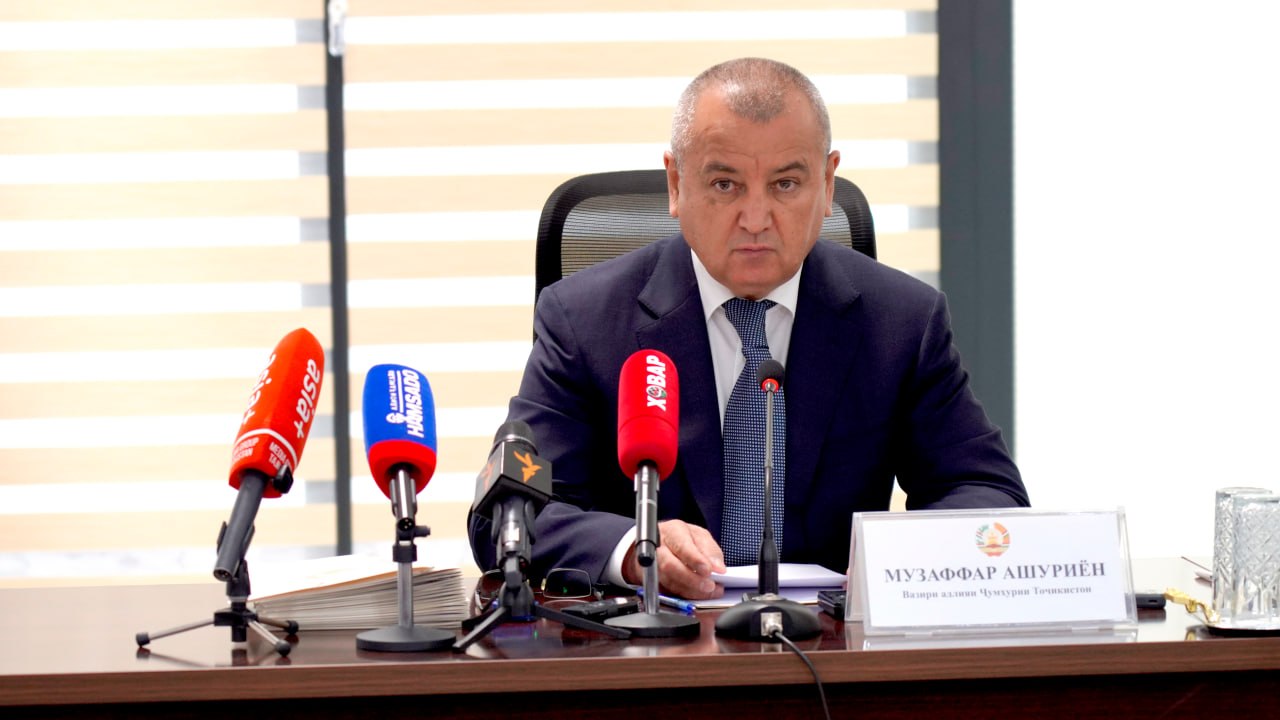




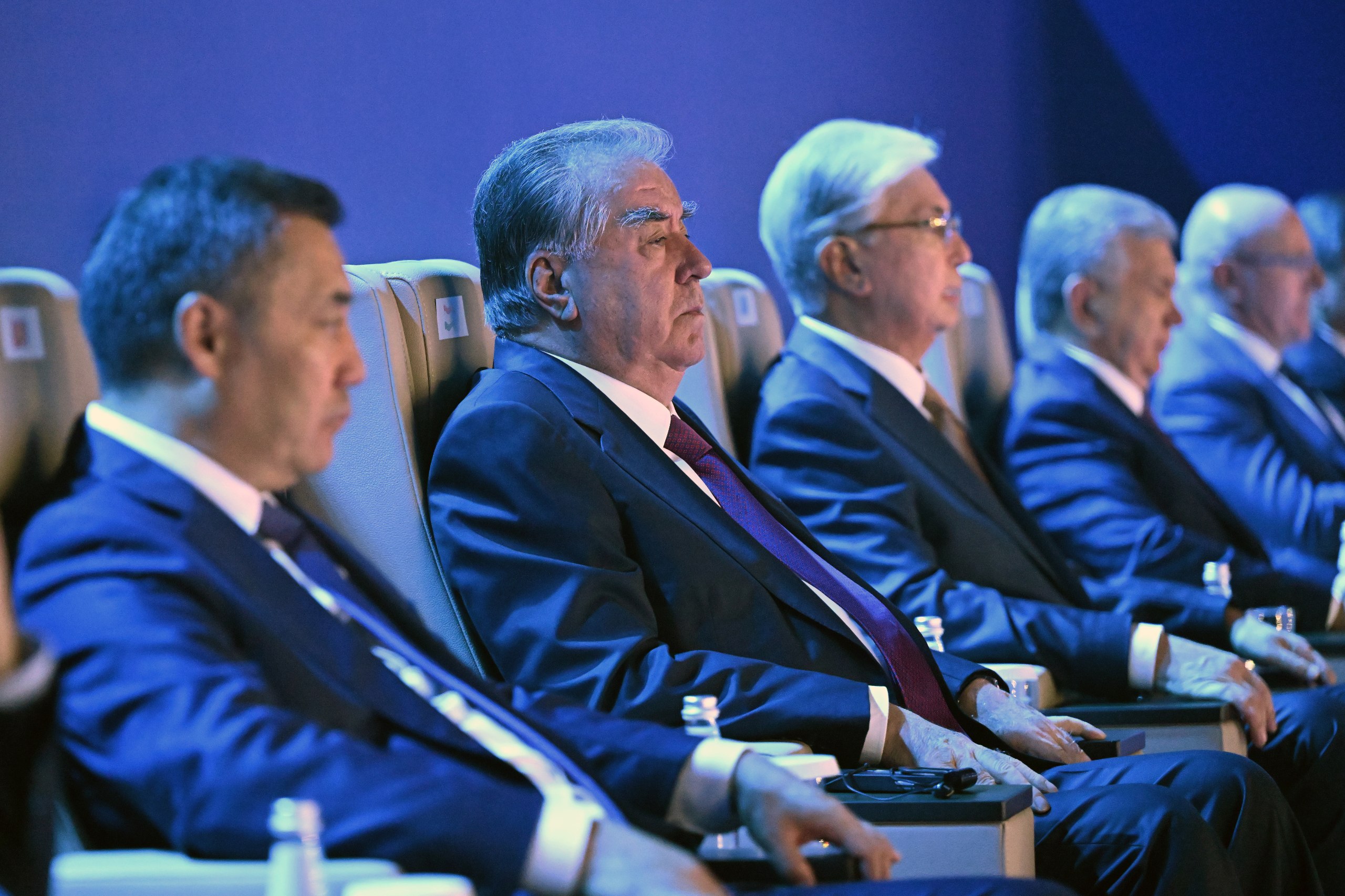

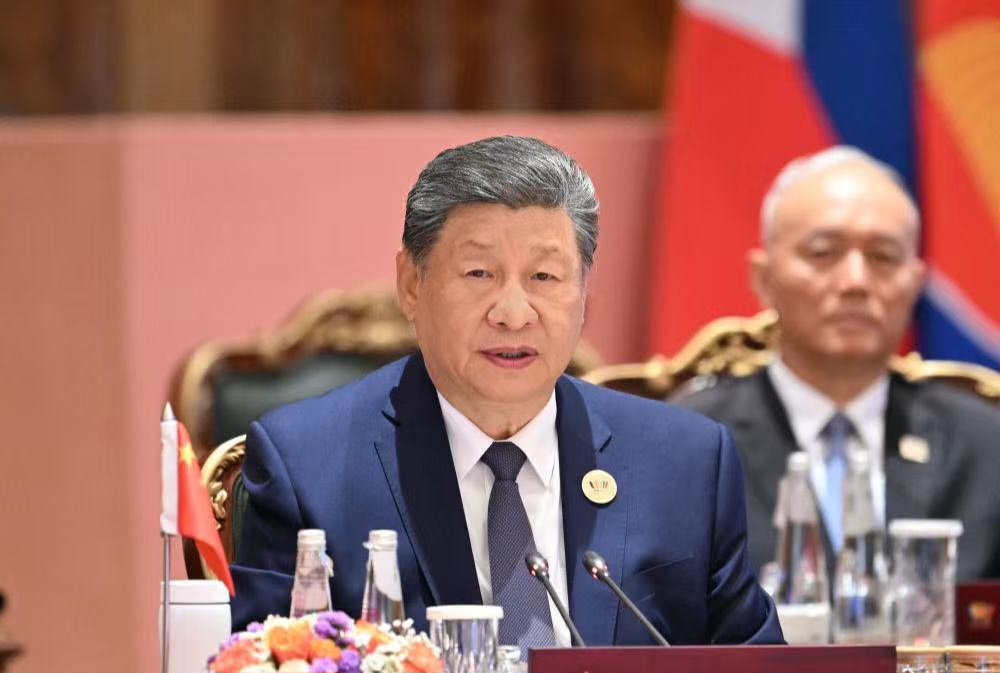
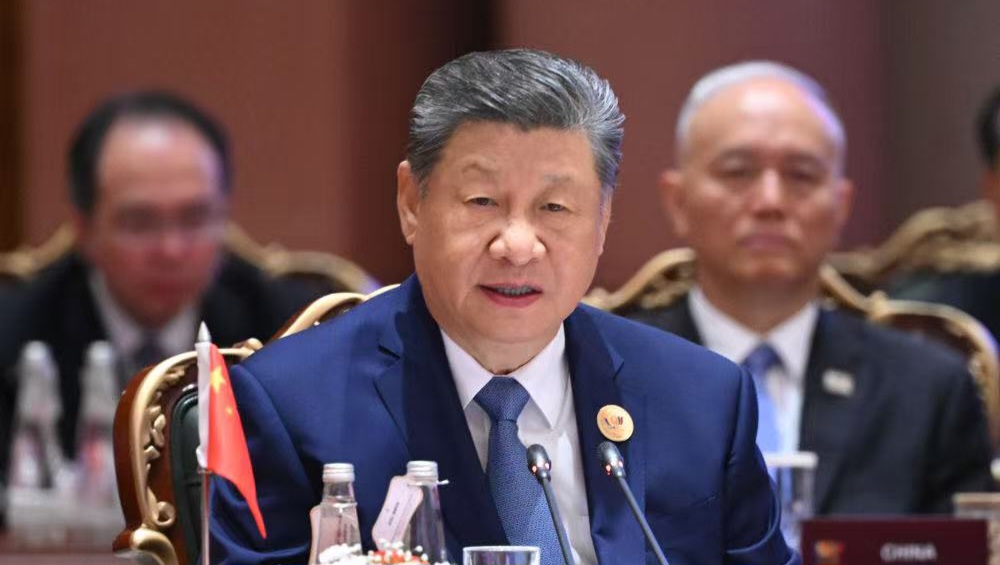
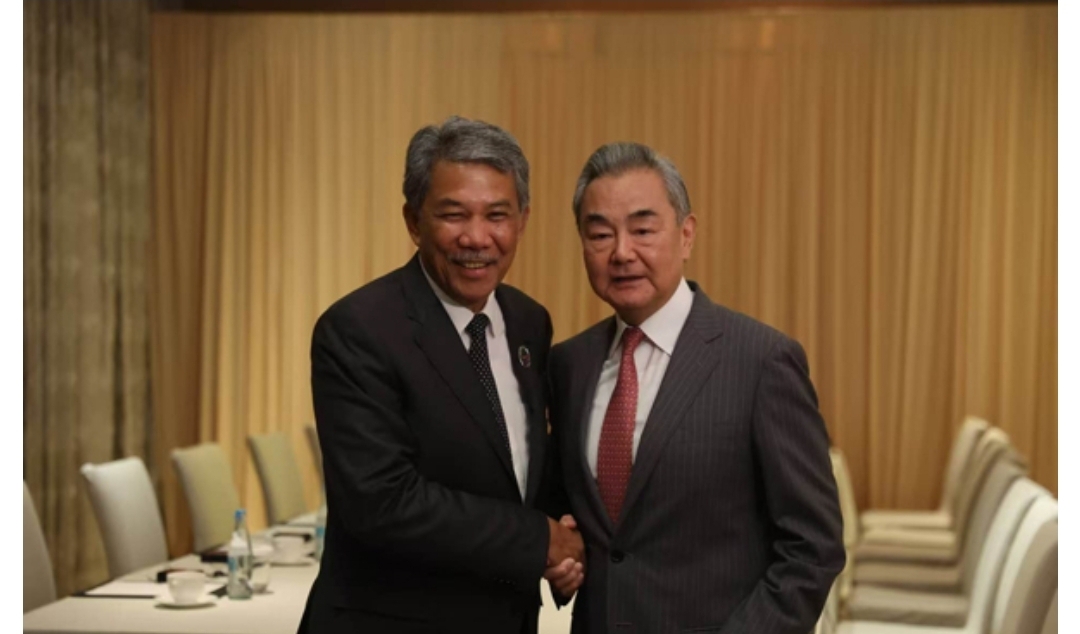


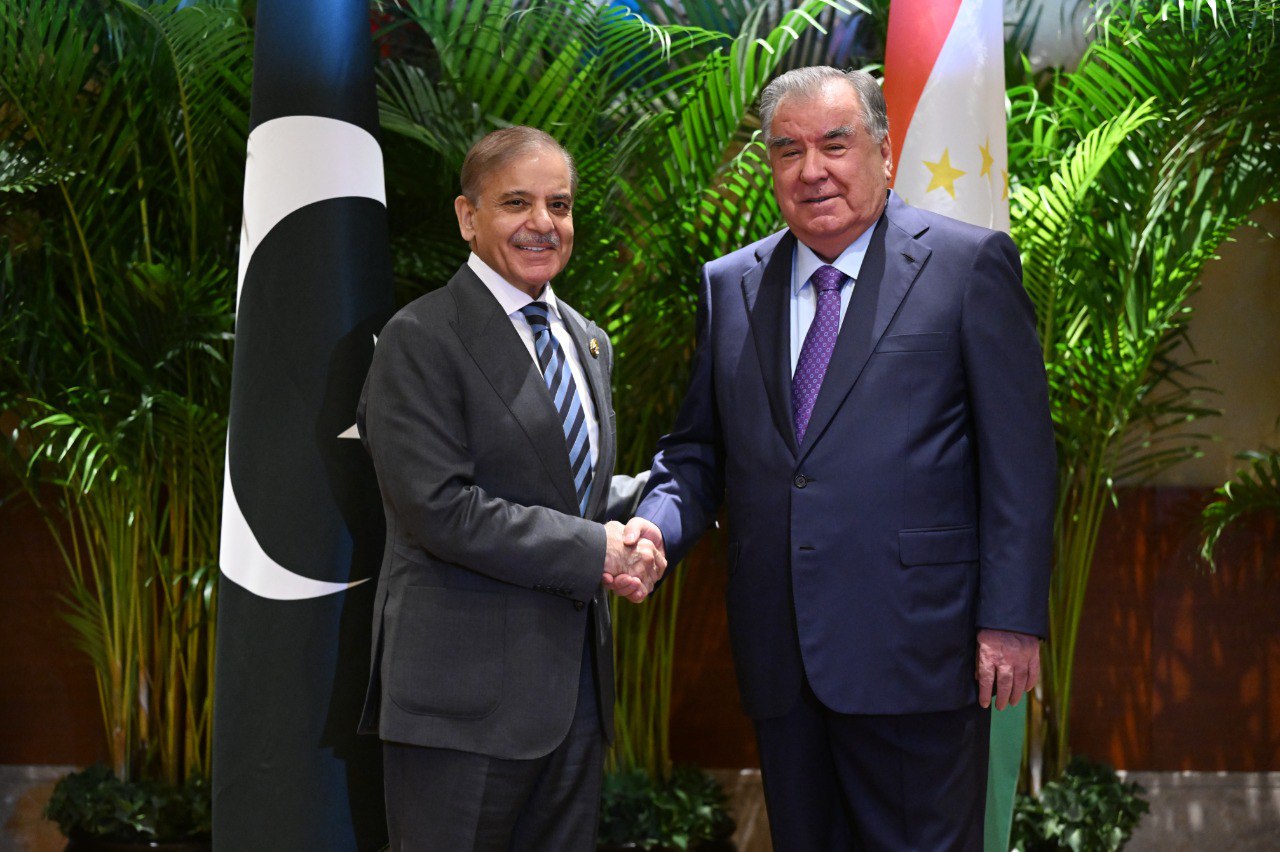
During his working visit to the People's Republic of China, President of the Republic of Tajikistan and Leader of the Nation Emomali Rahmon met with Prime Minister of the Islamic Republic of Pakistan Shahbaz Sharif in Beijing. This was reported by the presidential press service.
During the talks, the parties discussed the current state and prospects of bilateral cooperation, focusing on issues of politics, trade and economics, energy, transport, culture, science and education, as well as cooperation in the areas of security and defense.
The President of Tajikistan noted Dushanbe's interest in further developing and expanding multifaceted ties with Pakistan. Prime Minister Shahbaz Sharif, in turn, emphasized that the friendship and fraternal relations between the peoples of the two countries are based on sincerity and mutual respect.
The parties paid special attention to the activities of the Intergovernmental Joint Commission, which plays a key role in implementing trade, economic, cultural, and humanitarian projects. They proposed intensifying the work of other bilateral mechanisms, including working groups on oil and gas, energy, and the Joint Business Council.
Cooperation in the transportation sector was a key focus of the negotiations. The creation of a Joint Council of Transport Companies of the two countries was recognized as an effective step in ensuring Tajikistan's access to international transport corridors and seaports.
The importance of cooperation in hydropower and the development of the regional energy market, including the implementation of the CASA-1000 strategic project, was also emphasized.
A separate set of talks was devoted to regional and international security issues. The parties agreed to strengthen cooperation in the fight against international terrorism, extremism, drug trafficking, and other forms of transnational organized crime.
Following the meeting, Emomali Rahmon and Shahbaz Sharif expressed their readiness to continue close cooperation to strengthen stability and sustainable development in the region, as well as expand bilateral cooperation in all priority areas.